Cockatiel Food Guide: Pellets, Seeds & Treats
Choosing the right cockatiel food is one of the most important parts of keeping your bird healthy, active and happy. Cockatiels may be small, but their diet needs to be carefully balanced. Too many seeds can lead to weight gain, while too little variety can leave gaps in their nutrition. A good feeding routine should support good feather condition, digestion, energy levels and natural foraging behaviour.
The best cockatiel food is not usually one single product. It is a balanced combination of high-quality pellets, carefully measured seeds, fresh vegetables and healthy treats. In this guide, we will help you understand how each part of the diet fits together, what to avoid and how to choose trusted food options for your cockatiel.
What Do Cockatiels Eat?
Cockatiels need a varied diet that provides protein, healthy fats, carbohydrates, fibre, vitamins and minerals. In the wild, cockatiels naturally forage for a mixture of seeds, grasses and plant material, so pet cockatiels also benefit from variety.
A healthy cockatiel diet usually includes:
- High-quality pellets as the main daily food.
- A measured amount of seeds for variety and enrichment.
- Fresh vegetables for vitamins, minerals and fibre.
- Small amounts of fruit as an occasional treat.
- Healthy treats for training and bonding.
- Fresh, clean water every day.
The goal is to create a routine that is nutritious, enjoyable and realistic for your bird. Some cockatiels accept new foods quickly, while others need time and patience, especially if they have been eating mostly seeds.
Pellets vs. Seeds: Which Is the Best Cockatiel Food?
Pellets and seeds both have a place in a cockatiel diet, but they should not be treated equally. Pellets are usually the better everyday foundation because they are designed to provide consistent nutrition in every bite. Seeds are often very popular with cockatiels, but they can be higher in fat and may allow selective feeding.
This is why many avian experts recommend using pellets as the main part of the diet, with seeds offered in moderation. A seed-only diet may look natural, but it does not always provide the balanced nutrition a pet cockatiel needs for long-term health.
If you are choosing pellets, Harrison's Adult Lifetime Fine is a strong option for many adult cockatiels, especially if you prefer an organic formula. Askio Nature Small can also suit owners looking for a natural pellet option, while Hagen Hari Tropican Cockatiel Lifetime Granules are designed as a complete daily food for cockatiels.
Why Pellets Are the Gold Standard
Pellets are often recommended because they help reduce selective eating. With loose seed mixes, cockatiels may pick out their favourite ingredients and leave the rest behind. Over time, this can lead to an unbalanced diet.
Good pellets help provide:
- Consistent daily nutrition.
- Balanced vitamins and minerals.
- Better weight management than seed-only diets.
- Support for healthy feathers.
- Less selective feeding.
When introducing pellets, do it gradually. Mix a small amount into your bird's usual food, offer them consistently and avoid making sudden diet changes. Cockatiels can be cautious with new textures, so patience matters.
The Role of Seed Mixes in a Cockatiel Diet
Seeds are not something you need to avoid completely. In fact, a good seed mix can provide enjoyment, encourage natural foraging and make mealtimes more interesting. The key is portion control.
Seed mixes should complement pellets rather than replace them. If your cockatiel is allowed to eat unlimited seeds, they may ignore healthier foods and consume too much fat. This is especially important with mixes that contain a lot of sunflower seed.
For everyday variety, Parrot Essentials Cockatiel & Big Parakeet Seed Mix is a practical choice because it is selected for cockatiels and similar-sized birds. If you want to add more variety and foraging interest, Hagen Gourmet Cockatiel Seed Mix or Vitakraft Menu Premium Cockatiel Seed Food can be used in measured portions alongside pellets.
Sprouted seeds are another excellent addition to a balanced diet. During the sprouting process, the nutritional profile of the seed changes, increasing the availability of certain vitamins while making the food easier to digest. Many cockatiels enjoy the fresh texture of sprouts, making them a great way to add variety to their daily routine.
Seeds are also excellent for training. Offering a few favourite seeds by hand can help build trust without turning seeds into the main diet.
Best Veggies for Cockatiels
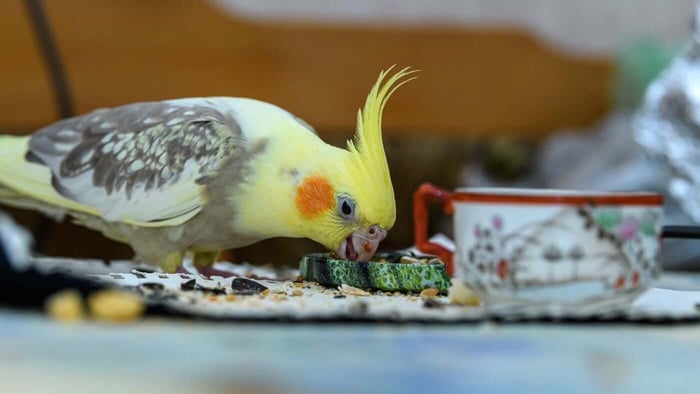
Fresh vegetables are one of the most useful additions to your cockatiel's diet. They add natural colour, texture, fibre and important nutrients. They also give your bird something to explore, shred and investigate.
Good vegetables for cockatiels include:
- Carrot.
- Broccoli.
- Kale.
- Sweet pepper.
- Courgette.
- Peas.
- Green beans.
- Butternut squash.
- Spinach in moderation.
- Fresh herbs such as basil or parsley.
Wash vegetables well and serve them without salt, oil or seasoning. Some cockatiels prefer finely chopped vegetables, while others enjoy larger pieces clipped to the cage bars. If your bird refuses vegetables at first, keep offering them in different ways. Many cockatiels need repeated exposure before they try something new.
Healthy Treats for Cockatiels
Treats are useful for bonding, training and enrichment, but they should be offered in moderation. Even healthy treats can unbalance the diet if they are given too often.
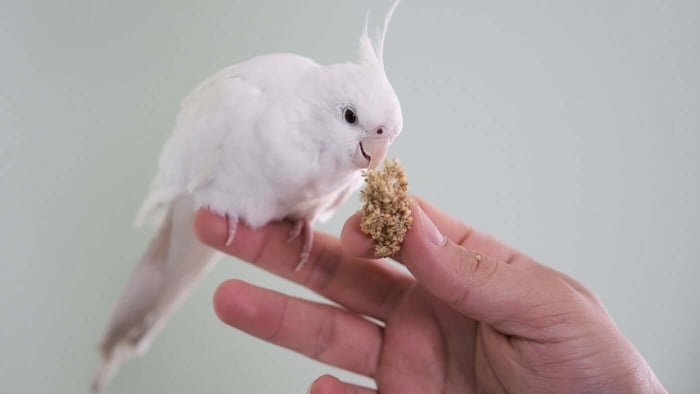
Millet sprays are one of the most popular cockatiel treats and can be very useful during taming or training. The key is to use them as a reward rather than leaving large amounts in the cage every day.
Lafeber NutriBerries are a good choice when you want a treat that feels exciting to your bird but offers more nutritional value than loose seed alone. They can be placed in foraging toys, offered by hand during training or used to encourage birds that need a more interesting food texture. Natural enrichment toppers, freeze-dried fruit or vegetable treats and sprouting seed mixes can also add variety when used sensibly.
Fruit can be offered occasionally, but only in small amounts because it contains natural sugar. Safe options include apple without seeds, blueberries, strawberry and banana.
Foods to Avoid Feeding Your Cockatiel
Some foods are unsafe for cockatiels and should never be offered. Even small amounts can cause serious health problems.
Avoid feeding your cockatiel:
- Avocado.
- Chocolate.
- Caffeine.
- Alcohol.
- Onion.
- Garlic.
- Rhubarb.
- Apple seeds.
- Fruit stones and pits.
- Salty snacks.
- Sugary sweets.
- Fried or heavily processed foods.
- Anything containing xylitol.
You should also avoid foods cooked with oil, salt, sauces or seasoning. If you are unsure whether something is safe, leave it out and ask an avian vet before offering it.
Tips for Buying Bulk Cockatiel Food
Buying cockatiel food in larger packs can save money, especially if you have more than one bird. However, freshness is just as important as value. A large bag is only worthwhile if your bird will finish it while it is still fresh.
When buying bulk cockatiel food, check:
- The best before date.
- The condition of the packaging.
- Whether the food smells fresh and clean.
- Whether the pack size suits how quickly your bird eats.
- Whether you have airtight storage containers ready.
Keep dry food in airtight containers in a cool, dry place away from direct sunlight. Do not mix new food into old food before the older batch has been used, as this makes it harder to monitor freshness.
If you only have one cockatiel, smaller bags may be the better choice because they are easier to keep fresh. Fresh food is always more important than buying the biggest pack available.
Final Thoughts on Cockatiel Food
The best cockatiel food is balanced, varied and chosen with your bird's long-term health in mind. Pellets should usually form the main foundation, while seed mixes, vegetables and treats all have supporting roles.
Every cockatiel is different, so do not worry if your bird needs time to accept new foods. Keep offering variety, make changes gradually and focus on steady progress. With the right cockatiel food and a consistent feeding routine, you can support your bird's energy, feather condition, digestion and overall wellbeing every day.
Explore our full range of cockatiel food to find pellets, seed mixes and treats carefully selected for cockatiels and similar-sized parrots.
FAQs
What is the best cockatiel food for everyday feeding?
A balanced pellet should form the foundation of your cockatiel's diet, supplemented with a measured amount of quality seed mix, fresh vegetables and occasional healthy treats.
Should cockatiels eat pellets or seeds?
Pellets are generally recommended as the main daily food because they provide complete, balanced nutrition. Seeds should be offered in moderation as part of a varied diet.
Can cockatiels eat fruit every day?
Fruit is safe in small amounts but should only be offered occasionally because of its natural sugar content. Fresh vegetables should make up a larger portion of your bird's fresh food.
What vegetables are safe for cockatiels?
Safe vegetables include broccoli, carrots, kale, courgette, peas, green beans, sweet pepper and butternut squash. Always wash them thoroughly and serve them without seasoning.
How do I transition my cockatiel from seeds to pellets?
Introduce pellets gradually by mixing them with your bird's usual food and slowly increasing the proportion over several weeks. Patience and consistency are key, as some cockatiels take time to accept new foods.