Cuttlebone for Birds: Why Your Parrot Needs It
Table of Contents
- What Is Cuttlebone for Birds?
- What Is Cuttlefish Bone Made Of?
- Where Does Cuttlebone Come From?
- Cuttlebone vs. Mineral Blocks
- Why Your Parrot Needs Cuttlebone
- Cuttlefish Bone Benefits for Birds
- Species-Specific Cuttlebone Needs
- How to Give Cuttlebone to Your Parrot
- Natural vs. Flavoured Cuttlebone Options
- Conclusion
- FAQs
When it comes to supporting your parrot's health, some of the most helpful essentials are often the simplest. One of those is cuttlebone for birds. It may look basic, but it plays an important role in your bird's daily care by helping support calcium intake, natural chewing behaviour, and healthy beak wear.
If you want to give your parrot well-rounded support at home, understanding how cuttlebone works and why it matters is a smart place to start. Whether you care for a budgie, cockatiel, conure, African Grey, or macaw, offering the right calcium source can make a real difference to long-term wellbeing.
What Is Cuttlebone for Birds?
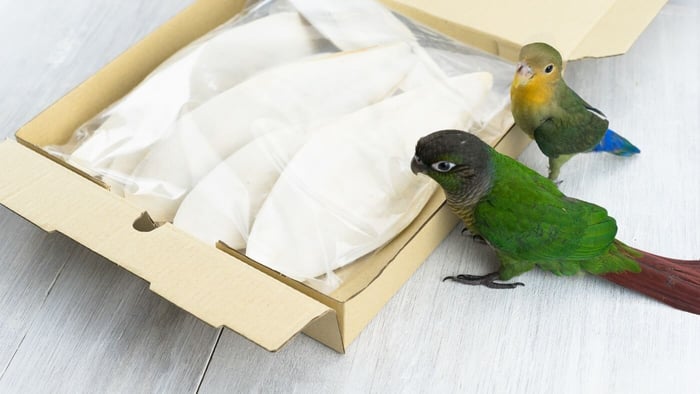
Cuttlebone is a natural product taken from the internal shell of the cuttlefish, a marine animal related to squid and octopus. Although it is called a bone, it is not a true bone. It is a lightweight, chalky structure that helps the cuttlefish regulate buoyancy in the water.
For pet birds, cuttlebone for birds is valued as a natural source of calcium and minerals. It also gives parrots something safe and satisfying to chew, which supports natural behaviour and helps keep them engaged in the cage.
If you are looking for options for your own bird, you can browse the range of cuttlebone and cuttlefish products at Parrot Essentials.
What Is Cuttlefish Bone Made Of?
Cuttlebone is made mainly of calcium carbonate, which is why it is so often recommended for parrots and other pet birds. It also contains small amounts of magnesium and trace minerals that contribute to overall nutritional support.
Its structure is porous and layered, made from a form of calcium carbonate known as aragonite. This gives cuttlebone its familiar texture: firm enough to last, but soft enough for birds to scrape, nibble, and wear down gradually.
Where Does Cuttlebone Come From?
Cuttlebone comes from cuttlefish harvested from marine environments. Once collected, the internal shell is cleaned, dried, and prepared for safe use with pet birds.
You may also come across eco cuttlebone options. Unlike traditional cuttlebone, these are made using cuttlebone powder combined with added nutrients such as red clay, turmeric, and essential vitamins. This creates a more enriched and consistent calcium supplement while still supporting natural beak wear. Eco cuttlebone can also be offered in different ways, including mounted in the cage, placed in food, or given as a chewable supplement.
Cuttlebone vs. Mineral Blocks
Both cuttlebone and mineral blocks are commonly offered to birds, but they are not identical.
Cuttlebone is a natural product with a softer texture, which makes it easier for many parrots to chew and use regularly. Mineral blocks are manufactured and tend to be harder. Some contain a broader mix of added minerals, but they may not always be as appealing to birds that prefer a more natural texture.
For many owners, cuttlebone for birds works well as an everyday calcium source, while mineral blocks can be offered alongside it rather than used as a direct replacement.
Why Your Parrot Needs Cuttlebone
Cuttlebone supports several important areas of parrot health. It is not just a cage extra. It can contribute to bone strength, beak wear, and daily enrichment in a very practical way.
Essential Calcium for Bone Health
Calcium is essential for strong bones, muscle function, and proper nerve activity. If a bird does not get enough calcium over time, it may become more vulnerable to weakness, poor bone strength, and wider health issues.
That is one reason cuttlebone for birds remains such a popular addition to the cage. It gives your bird access to calcium in a natural and simple form.
Natural Beak Maintenance and Trimming
Parrots have beaks that continue to grow throughout their lives. Safe chewing surfaces help them wear the beak down naturally and maintain a more balanced shape.
Cuttlebone can support this process by encouraging gnawing and scraping. It will not replace proper veterinary care if a bird has a beak problem, but it can be a helpful part of everyday maintenance.
Supporting Egg Production in Breeding Birds
Breeding and egg-laying hens have a greater demand for calcium. Without enough available calcium, the risk of complications can increase, including weak shells and egg-binding.
For that reason, access to cuttlebone can be especially useful for breeding birds, alongside a balanced diet and proper avian veterinary guidance.
Cuttlefish Bone Benefits for Birds
The benefits of cuttlebone go beyond simple calcium support. It can also help with chewing behaviour, mineral intake, and general cage enrichment.
Complete Mineral Profile: Calcium, Magnesium, and Trace Elements
Although calcium is the main nutritional feature, cuttlebone also contains magnesium and trace elements that can contribute to overall well-being. It is not a complete diet by itself, but it can be a useful addition to a varied feeding plan based on quality pellets, fresh vegetables, and other suitable foods.
Preventing Calcium Deficiency Symptoms
Birds that do not get enough calcium may show weakness, tremors, poor balance, fragile bones, or, in severe cases, seizures. African Greys are particularly well known for being sensitive to calcium imbalance, but any parrot can be affected if the diet is poor.
Offering cuttlebone regularly is one simple way to help support healthy calcium intake.
Mental Stimulation and Natural Foraging Behaviour
Parrots are active, intelligent birds that need appropriate outlets for chewing and investigation. Cuttlebone provides a safe object to explore, nibble, and shred. This may help reduce boredom and encourage more natural behaviour in the cage.
You can support this even further by combining cuttlebone with a good rotation of parrot toys, including chew toys and foraging toys suited to your bird's size and chewing style.
Digestive Health Support
Some owners also value cuttlebone for the way it can support digestion. While parrots do not need grit in the same way some other birds do, small ingested particles from cuttlebone may still play a supportive role as part of normal feeding behaviour.
Species-Specific Cuttlebone Needs
Different parrots have different calcium requirements and chewing habits. Choosing the right size and style of cuttlebone can make it easier for your bird to use.
Cuttlebone for African Greys
African Greys are one of the species most often linked with calcium concerns, so consistent access to calcium-rich support is especially important. A larger cuttlebone is usually best, as it is more suitable for their beak strength and size.
Cuttlebone for Budgies and Cockatiels
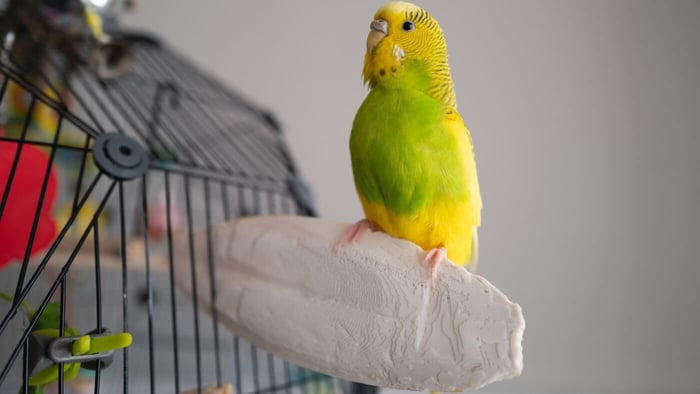
Budgies and cockatiels do well with smaller cuttlebone pieces that are easy to access and not intimidating in the cage. This can be especially important for hens during breeding season or periods of laying.
For small birds, placement matters just as much as size. A well-positioned cuttlebone near a favourite perch often gets more interest.
Cuttlebone for Macaws and Large Parrots
Large parrots such as macaws and cockatoos have powerful beaks and can work through soft items quickly. These birds usually benefit from larger, sturdier cuttlebone pieces that can withstand more forceful chewing.
Even for bigger species, cuttlebone should be viewed as one part of a wider enrichment and nutrition plan rather than the only mineral support offered.
Cuttlebone for Conures and Medium Parrots
Conures, Quakers, Meyers, and Senegals usually do well with medium-sized cuttlebone options. These birds often enjoy chewing, so a properly mounted piece can offer both nutritional and behavioural value.
How to Give Cuttlebone to Your Parrot
Introducing cuttlebone properly can make a big difference in whether your parrot uses it confidently.
Proper Placement and Mounting in the Cage
Attach the cuttlebone securely to the cage bars in an area your bird already uses often, such as near a favourite perch or feeding spot. It should be easy to reach without awkward stretching or climbing.
Avoid placing it too close to where droppings are likely to fall, as cleanliness matters when offering any cage accessory your bird may chew.
Which Side Faces the Bird?
The soft, textured side should face your bird. This is the side your parrot can grip and gnaw more easily. The harder, flatter side is usually the best side to place against the bars or mounting hardware.
Introducing Cuttlebone to Reluctant Birds
Some parrots do not investigate new items straight away. If your bird ignores the cuttlebone at first, do not assume they will never use it. Try moving it to a different location, placing it near a favourite perch, or offering a different size.
How Often to Replace Cuttlebone
Cuttlebone should be replaced when it becomes heavily soiled, damp, worn down, or starts to look stale. In many homes, that means replacing it every few weeks, although the exact timing depends on how much your bird uses it.
A clean, fresh piece is always preferable to one that has been left in the cage too long.
Natural vs. Flavoured Cuttlebone Options
Natural cuttlebone is usually the best starting point because it is simple, effective, and free from unnecessary additives. It closely mimics what birds would encounter in the wild and allows them to regulate their calcium intake naturally through chewing.
Flavoured or enhanced options can be useful for birds that are less interested in plain cuttlebone or may benefit from additional nutritional support. These are not just about taste, but often include functional ingredients that support overall health.
For example, eco cuttlebone made with red clay and turmeric combines cuttlebone powder with added nutrients. Red clay can provide additional minerals, while turmeric is often used for its natural supportive properties. These types of options can offer a more enriched and consistent calcium source while still encouraging natural chewing behaviour.
As always, the best choice depends on your parrot's preferences and needs. Some birds will happily use natural cuttlebone, while others may respond better to enhanced versions. Offering both can be a practical way to ensure your bird gets the support it needs.
Conclusion
Cuttlebone for birds is one of the simplest ways to support your parrot's health at home. It provides accessible calcium, encourages natural chewing, helps with beak maintenance, and adds another layer of everyday enrichment.
Whether you share your home with a budgie, cockatiel, conure, African Grey, or macaw, offering cuttlebone is a small step that can support bigger health benefits over time. If you would like to explore suitable options, browse the cuttlebone and cuttlefish selection at Parrot Essentials.
FAQs
How Often Should I Replace Cuttlebone?
You should replace cuttlebone when it becomes dirty, damp, heavily worn down, or starts to look old. For many birds, that means checking it weekly and replacing it every few weeks as needed.
What If My Parrot Ignores Cuttlebone?
Some parrots need time to accept new items. Try moving it near a favourite perch, changing the position in the cage, or offering a different size to make it more inviting.
Is Cuttlebone Better Than a Mineral Block?
Cuttlebone and mineral blocks can both be useful, but cuttlebone is a natural option with a softer texture that many birds find easier to chew. Some owners choose to offer both.
Do African Greys Need Cuttlebone More Than Other Parrots?
African Greys are often more sensitive to calcium deficiency than many other parrots, so regular access to cuttlebone can be especially helpful as part of a balanced diet.
Can Budgies and Cockatiels Use Cuttlebone Too?
Yes, budgies and cockatiels can benefit from cuttlebone just as much as larger parrots. A smaller piece is usually best so it is easy for them to access and use.