How to Keep Your Bird Cool in Summer
Summer can be a wonderful time for both you and your bird. Longer days, more natural light, and more opportunities for interaction can enrich your parrot's life. However, as temperatures rise, so do the risks linked to overheating. Unlike humans, birds cannot sweat to regulate their body temperature, which means they rely on their environment and their owners to help them stay comfortable. If you are wondering how to keep your bird cool in summer, the good news is that a few simple adjustments can make a significant difference. Understanding how heat affects birds and recognising the signs of heat stress can help you keep your feathered companion safe throughout the warmer months.
Why Hot Weather Can Be Dangerous for Birds
Birds naturally maintain a higher body temperature than humans, typically between 40°C and 42°C. While this allows them to function efficiently, it also means they can become overheated surprisingly quickly when environmental temperatures climb.
Parrots, cockatiels, budgies, conures, African Greys and many other companion birds can tolerate warm conditions reasonably well if they have access to shade, airflow and fresh water. Problems arise when birds are exposed to direct sunlight, poor ventilation or prolonged periods of extreme heat.
Heat stress can develop rapidly and, if left unaddressed, may become life-threatening.
Signs Your Bird May Be Overheating
Knowing what to look for can help you act quickly before a situation becomes serious.
Common signs of overheating include:
- Holding wings away from the body.
- Panting or open-mouth breathing.
- Increased thirst.
- Lethargy or reduced activity.
- Fluffed feathers despite warm temperatures.
- Loss of balance or weakness.
- Bright red skin visible around featherless areas.
If you notice severe breathing difficulties, collapse or unresponsiveness, contact an avian veterinarian immediately.
How to Keep Your Bird Cool in Summer at Home
One of the best ways to keep your bird cool in summer is by managing the environment inside your home.
Start by placing your bird's cage away from direct sunlight. Even a room that feels comfortable to you can contain areas that become significantly hotter during the day. Sunlight streaming through windows can quickly raise temperatures around a cage.
Close blinds or curtains during the hottest parts of the day and choose a location with good airflow. Ceiling fans can help circulate air, but they should never blow directly onto your bird for extended periods.
Air conditioning can be helpful, but avoid sudden temperature changes. Birds generally cope better with gradual shifts than dramatic fluctuations.
If your home becomes particularly warm during summer afternoons, consider moving your bird temporarily to a cooler room.
Fresh Water Becomes Even More Important
Hydration plays a critical role in helping birds regulate their body temperature.
During hot weather, check water bowls several times throughout the day. Water can warm up quickly, making it less appealing for your bird to drink.
Many owners find success by replacing water more frequently and offering an additional water bowl during heatwaves.
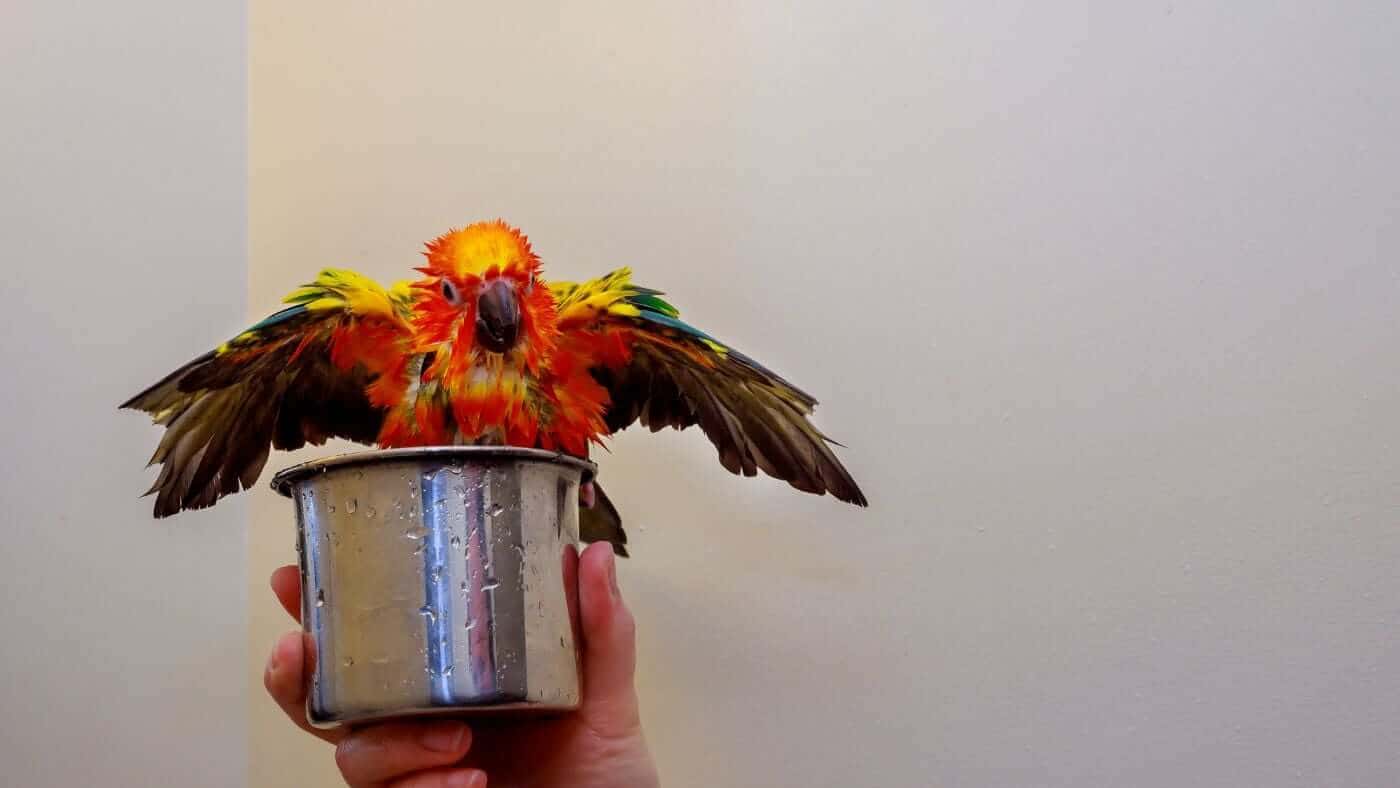
Some birds enjoy playing in water as much as drinking it. Providing opportunities for bathing can help cool the body while also supporting healthy feathers and skin.
Offer Safe Bathing Opportunities
Many parrots naturally enjoy water and will eagerly take advantage of bathing opportunities during warmer weather.
You can encourage bathing by:
- Providing a shallow bathing dish.
- Lightly misting your bird with lukewarm water.
- Allowing supervised shower time.
- Offering wet leafy greens for enrichment.
Bathing helps remove dust from feathers while allowing moisture to evaporate and providing a cooling effect.
Remember that every bird is different. Some love being misted, while others prefer a bowl or a gentle shower perch.
Adjust Your Bird's Daily Routine
When temperatures are particularly high, it can help to adjust activities around the coolest parts of the day.
Encourage play sessions, training and out-of-cage exercise during the morning or evening when temperatures are lower. During the hottest hours, your bird may naturally choose to rest more.
This is completely normal.
Just as people tend to slow down during a heatwave, birds often conserve energy to avoid generating excess body heat.
Foods That Can Help During Warm Weather
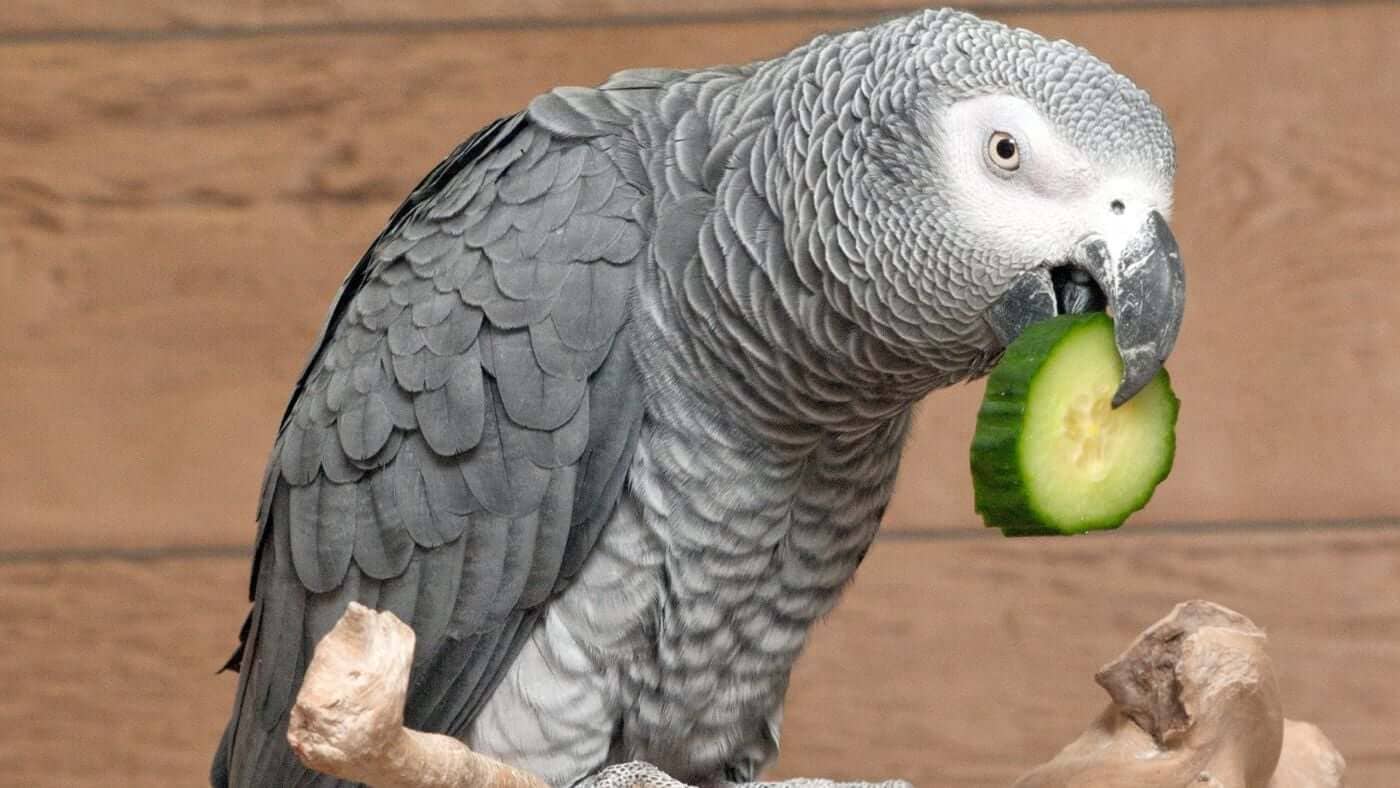
Nutrition also plays a role when trying to keep your bird cool in summer.
Fresh vegetables and fruits with high water content can provide additional hydration alongside fresh drinking water.
Suitable options may include:
- Cucumber.
- Bell peppers.
- Courgette.
- Watermelon, seedless and in moderation.
- Melon.
- Leafy greens.
These should complement a balanced diet rather than replace your bird's regular food.
Avoid leaving fresh foods in the cage for extended periods during hot weather, as they can spoil more quickly.
Outdoor Time Requires Extra Care
Many parrots enjoy spending time outdoors, but summer sunshine requires careful management.
If your bird uses a harness, travel carrier or outdoor aviary, always ensure there is access to shade. Never leave a bird exposed to direct sunlight without the ability to move into a cooler area.
Outdoor surfaces, including metal cage bars and carrier components, can become surprisingly hot.
Always check temperatures before placing your bird outside and avoid outdoor sessions during the hottest part of the day.
Morning and early evening are usually much safer options.
Watch for Heat Stress During Travel
Summer travel can present additional challenges.
Cars can become dangerously hot within minutes, even with windows partially open. Never leave your bird unattended in a vehicle under any circumstances.
When travelling, ensure carriers are well ventilated and protected from direct sunlight.
Bringing extra water and planning journeys during cooler periods can help minimise stress and overheating.
Stress and Heat Often Go Hand in Hand
High temperatures can increase stress levels in some birds. A bird that already struggles with anxiety, excessive vocalisation or behavioural issues may become more uncomfortable during periods of intense heat.
Maintaining a predictable routine, providing enrichment and ensuring your bird has access to cool, comfortable spaces can help reduce both physical and emotional stress during summer.
Final Thoughts on How to Keep Your Bird Cool in Summer
Learning how to keep your bird cool in summer is an important part of responsible bird ownership. Fortunately, most cases of overheating can be prevented through simple measures such as providing fresh water, encouraging bathing, improving airflow and avoiding direct sunlight.
The key is to stay proactive rather than waiting until your bird shows signs of discomfort. By paying attention to your bird's behaviour and making a few seasonal adjustments, you can keep your bird cool in summer and help them enjoy the warmer months safely and comfortably.
A comfortable bird is a healthier bird, and with the right preparation, both you and your feathered companion can make the most of summer.
For more parrot care advice, species profiles and helpful seasonal guides, visit our blog at Parrot Essentials Blog.
FAQs
What temperature is too hot for a pet bird?
Most companion birds can tolerate warm temperatures, but prolonged exposure to temperatures above 30°C can increase the risk of overheating, especially if there is poor airflow or direct sunlight.
How can I keep my bird cool in summer without air conditioning?
You can keep your bird cool in summer by providing fresh water, encouraging bathing, improving airflow with fans, closing blinds during the hottest part of the day, and keeping the cage out of direct sunlight.
Is it safe to mist my parrot during hot weather?
Yes, most parrots enjoy being lightly misted with lukewarm water. Misting can help cool your bird and support healthy feather condition, although some birds may prefer bathing dishes instead.
Can birds get heatstroke?
Yes, birds can suffer from heatstroke if they become severely overheated. Signs include panting, holding their wings away from their body, lethargy, weakness, and loss of balance. Immediate veterinary attention is required if heatstroke is suspected.
Should I cover my bird's cage during hot weather?
Covering a cage can sometimes reduce airflow and trap heat. It is generally better to provide shade, good ventilation and a cooler room rather than covering the cage completely.