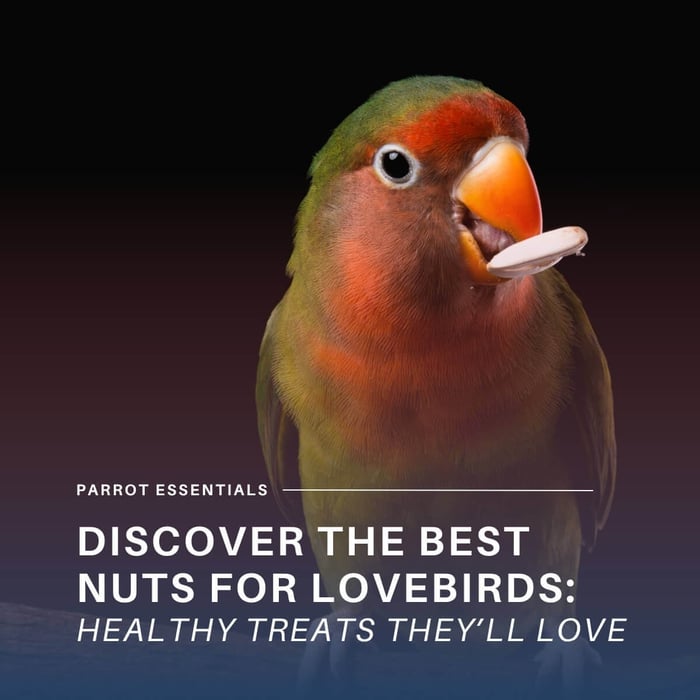
Peach-Faced Lovebird Profile & Care Guide
| Common name: | Peach-faced Lovebird, Rosy-faced Lovebird, Rosy-collared Lovebird |
| Scientific name: | Agapornis roseicollis |
| Length: | 15 - 17 cm/6 - 6.7" |
| Weight: | 40 - 60 grams |
| Lifespan: | 10 - 15 years, sometimes 20+ years with excellent care |
| Range: | Namibia, south-western Angola and parts of South Africa |
| Noise level: | Medium to high for their size |
PEACH-FACED LOVEBIRD NATURAL HABITAT
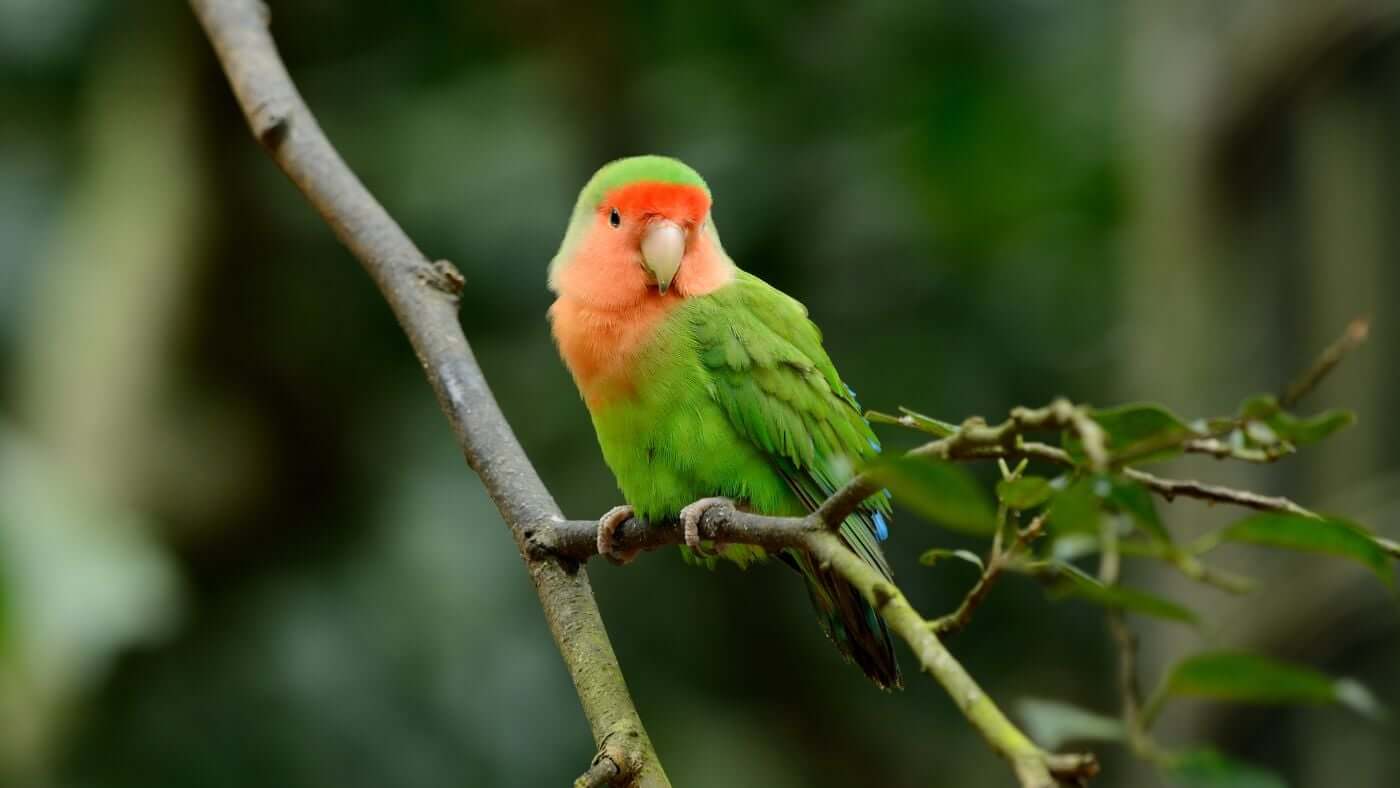
Peach-faced Lovebird - Agapornis roseicollis is a small African parrot naturally found in south-western Africa. Its wild range includes Namibia, south-western Angola and parts of South Africa.
In the wild, Peach-faced Lovebirds live in dry woodland, scrubland, savannah, river valleys and areas close to reliable water sources. They are hardy little parrots that can cope well in dry environments, but like all birds, they still need regular access to clean drinking water.
Wild Peach-faced Lovebirds feed on a variety of seeds, grasses, berries, fruits and plant material. They are active foragers and may also visit cultivated areas to feed on crops when food is available. In their natural range, they are often seen in small flocks and can be very social.
The Peach-faced Lovebird is currently listed as a species of Least Concern, which means it is not considered globally threatened at this time. However, some sources note that the wild population appears to be declining, so responsible captive breeding and ethical ownership are still important.
INTELLIGENCE & PERSONALITY
Peach-faced Lovebirds may be small, but they have a very big personality. They are active, curious, playful and often surprisingly confident. A well-socialised lovebird can become very affectionate with its owner, but this species is also known for being independent, cheeky and sometimes a little bossy.
These birds are intelligent and enjoy exploring, climbing, chewing and solving simple food-based challenges. They need plenty of safe toys, shredding materials and daily interaction to stay mentally stimulated. A bored Peach-faced Lovebird can become noisy, frustrated or destructive.
Despite their name, lovebirds do not always have to be kept as a pair. A single lovebird can do well if it receives plenty of attention, enrichment and out-of-cage time. However, if you cannot spend enough time with your bird each day, keeping a compatible pair may be better for their emotional wellbeing.
Do keep in mind that Peach-faced Lovebirds can become territorial, especially around their cage, favourite toys, nesting areas or favourite person. Gentle handling, positive training and a predictable routine can help prevent problem behaviours. They are best suited to owners who are patient, consistent and happy to work with a bird that has a strong character.
PEACH-FACED LOVEBIRD TALKING ABILITY & NOISE LEVEL
Peach-faced Lovebirds are not known as strong talkers. Some individuals may learn a few words, whistles or household sounds, but most are much more interested in chirping, calling and making their own lively noises.
For their size, they can be surprisingly loud. Their calls are sharp and high-pitched, especially when they are excited, calling for attention or communicating with another bird. They are not usually as loud as larger parrots, but they are not silent pets.
If you live in a flat or shared accommodation, it is worth thinking carefully before bringing one home. A healthy and happy Peach-faced Lovebird will still make noise every day, especially in the morning and early evening. Training, routine and enrichment can reduce problem screaming, but they will not remove natural vocal behaviour.
FEEDING & SUPPLEMENTS
As with all pets, it is important to provide your Peach-faced Lovebird with a balanced and varied diet. Its daily meals should include a quality lovebird or small parrot food, fresh vegetables, leafy greens, a small amount of fruit and clean drinking water.
Seed mixes can form part of your bird's diet, but they should not be the only food offered. A seed-only diet can be too high in fat and may lack important nutrients. Pellets, fresh vegetables and sprouted seeds can help create a more balanced feeding routine.
Good fresh food options include broccoli, carrot, pepper, sweetcorn, leafy greens, peas, courgette and small pieces of apple or berries. Fruit should be offered in moderation because it is naturally higher in sugar.
Remember, these birds can get bored if they eat the same food day in, day out. Mixing up their meals is important for both their physical and mental wellbeing. You can also present foods in different ways, such as clipping leafy greens around the cage or using foraging toys.
Lastly, fresh, clean water should always be available. Food and water dishes should be washed daily, as small parrots can quickly contaminate bowls with food, seed husks or droppings.
HOUSING FOR YOUR PEACH-FACED LOVEBIRD
When selecting a cage for your Peach-faced Lovebird, aim for the largest size you can find space for in your home. These birds are small, but they are very active and need room to fly, climb and play.
As a general guideline, a cage for one lovebird should be at least 36" x 24" x 24" where possible. Bigger is always better, especially if your bird will spend part of the day inside the cage. The bar spacing should be suitable for small parrots, ideally around 1/2" or smaller, to prevent the bird from getting its head stuck.
This minimum size only applies if your bird can spend daily supervised time outside of its cage. If you want to keep a lovebird caged for most of the day, a larger flight cage or aviary is a much better option.
The placement of the cage is also important. Your bird's home should be in a social part of the house where it can see everyday activity and feel included. Do avoid draughty spots, direct heat, strong cooking fumes and busy walkways where your bird may feel stressed.
The cage should contain a variety of natural wood perches in different sizes and textures. This helps support healthy feet and gives your bird more choice when resting or climbing. Avoid filling the cage with too many accessories, as your lovebird still needs open space to move freely.
Peach-faced Lovebirds usually enjoy shredding toys, swings, bells, climbing toys, small foot toys and lovebird toys that encourage chewing and activity. You can also add a play stand or safe out-of-cage area so your bird has somewhere to explore when supervised.
PEACH-FACED LOVEBIRD FEATHER PLUCKING
Although it is not typical for a healthy and well-stimulated Peach-faced Lovebird to pluck its feathers, feather-damaging behaviour can still happen. If your lovebird starts chewing, barbering or pulling out feathers, the first step should always be to speak to an avian vet to rule out medical causes.
Common triggers can include boredom, loneliness, poor diet, lack of sleep, hormonal behaviour, skin irritation, stress or sudden changes in routine. Lovebirds are very social birds, so emotional stress can show up quickly in their behaviour.
To support your bird's overall wellbeing, provide a varied diet, regular bathing opportunities, safe chewing materials, daily interaction and plenty of enrichment. Rotating toys every few days can help keep your Peach-faced Lovebird interested and reduce boredom.
Peach-faced Lovebirds should also be given daily supervised out-of-cage time. This allows them to fly, stretch, explore and interact with their owner. Regular activity is important for both physical health and mental wellbeing.
FUN FACTS
- Peach-faced Lovebirds are one of the most popular lovebird species kept as pets.
- Their scientific name is Agapornis roseicollis.
- They are also known as Rosy-faced Lovebirds because of the pink colouring on the face and throat.
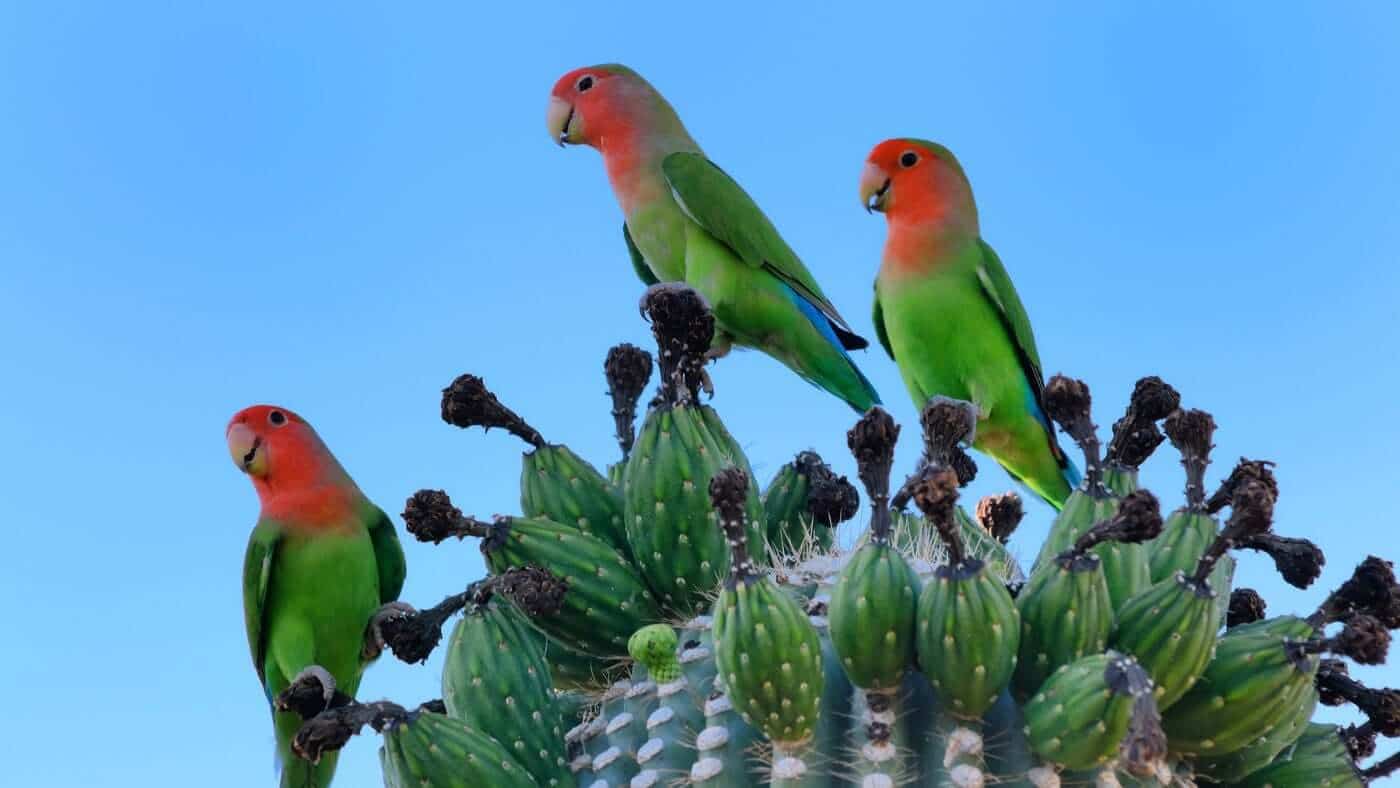
- Most wild Peach-faced Lovebirds are green with a peach-pink face, yellowish bill and blue rump.
- Many colour mutations are available in captivity, including lutino, pied, blue, violet and creamino.
- Male and female Peach-faced Lovebirds look very similar, so DNA testing is the most reliable way to confirm sex.
- They are small parrots, but their calls can be surprisingly sharp and loud.
- They are very active and need lots of climbing, chewing and foraging opportunities.
- Peach-faced Lovebirds are cavity nesters and often use holes in trees, cliffs, buildings or cactus cavities where suitable nesting sites are available.
- Female Peach-faced Lovebirds are known for carrying nesting material, such as bark, tucked into their rump feathers.
- Lovebirds can form very strong bonds with their mate or favourite person.
- They are playful, curious and can be trained using positive reinforcement.
- Providing a variety of lovebird accessories, perches and toys is important for their health and happiness.
CONCLUSION
To sum up, Peach-faced Lovebirds are colourful, energetic and full of character. They are small parrots, but they should not be underestimated. They need daily attention, a balanced diet, safe housing, toys, training and regular out-of-cage time.
Although they can make wonderful and rewarding pets, it is important to understand their needs before bringing one into your home. Without enough stimulation, Peach-faced Lovebirds can become noisy, nippy, territorial or frustrated.
For the right owner, a Peach-faced Lovebird can be a fun, affectionate and entertaining companion. With patience, routine and proper care, these little parrots can bring a lot of life, colour and personality into the home.
To view other Parrot Profiles & Care Guides, visit our Alphabetical list of Parrot Fact Sheets by visiting: https://parrotessentials.co.uk/blog/parrot-profiles-care-guides