Small Parrots, Big Personalities: Choosing the Right Supplies for Smaller Species
Small parrots often surprise people. Despite their size, they are full of confidence, intelligence and character. If you share your home with a lovebird, small conure or parakeet, you will already know that these birds may be compact, but their needs are anything but basic. Choosing the right supplies for smaller species is not about downsizing everything and hoping for the best. It is about understanding how behaviour, beak strength, activity levels and personality shape what your bird truly needs to stay healthy, engaged and content.
This guide will help you make informed, confident choices and avoid some of the most common mistakes made with smaller parrots.
Why 'Small Parrot' Does Not Mean 'Simple Care'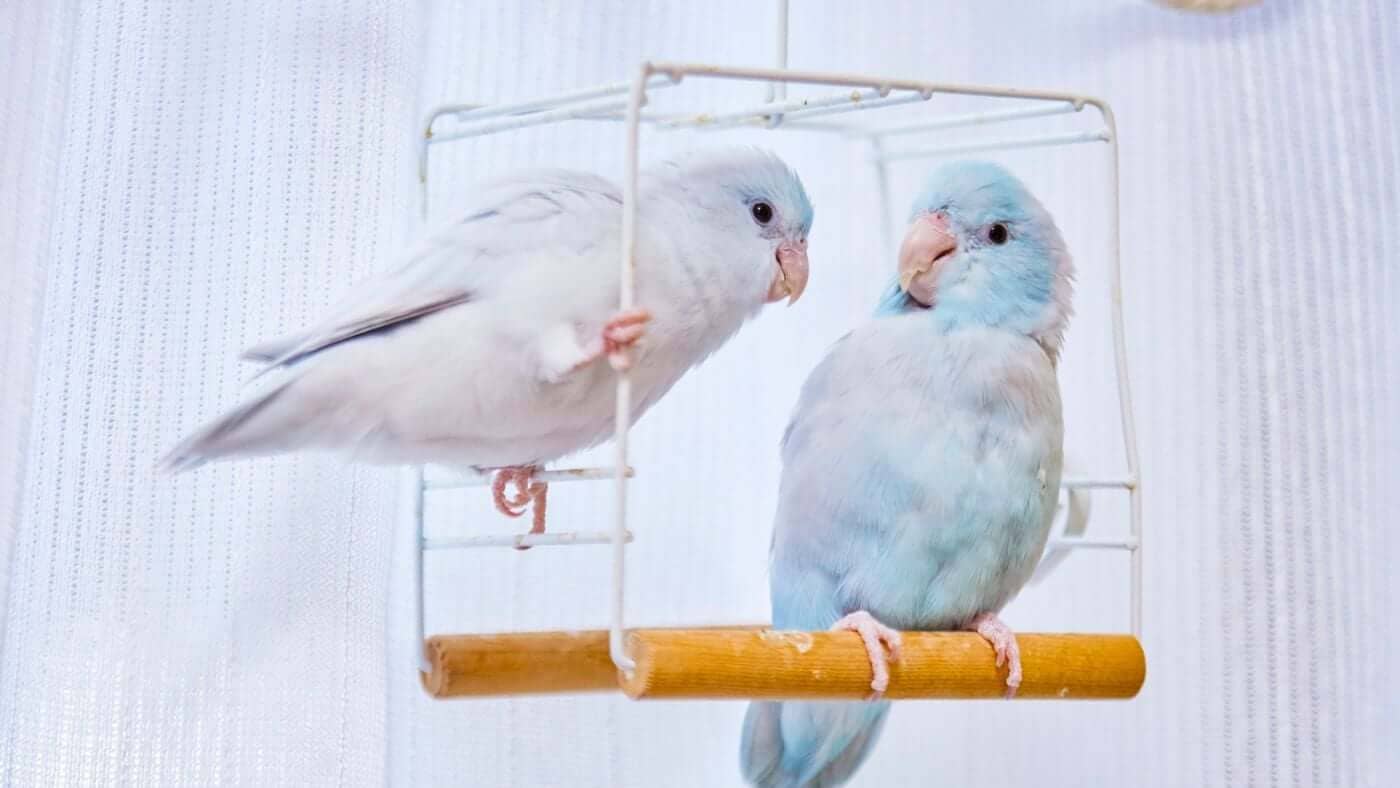
One of the biggest misconceptions in avian care is that smaller parrots are easier to care for. In reality, many small species are incredibly active, highly intelligent and emotionally sensitive.
Lovebirds are social and curious. Small conures are playful and bold. Parakeets can be fast, agile and surprisingly determined. These traits directly influence the type of supplies that work best for them, from toys and perches to enrichment and feeding setups.
Understanding this is the foundation of choosing the right supplies for smaller species, because a mismatch between bird and environment often leads to frustration, boredom and behavioural issues.
Choosing The Right Supplies For Smaller Species Starts With Behaviour
Before looking at any individual product, it helps to think about how your bird behaves day to day.
- Is your bird a keen climber or more of a flyer?
- Do they chew constantly or prefer shredding and foraging?
- Are they confident and bold, or gentle and cautious?
For example, many lovebirds enjoy busy, interactive toys and benefit from safe, destructible materials that allow them to express natural chewing behaviours. Owners exploring Peach Faced Lovebird Supplies, Fischer's Lovebird Supplies and Black Cheeked Lovebird Supplies often notice that their birds thrive when given toys they can manipulate, shred and explore rather than hard, static items.
Small conures and parakeets, on the other hand, often need a balance between movement-based enrichment and mental stimulation. This is where thoughtful supply choices really make a difference.
Cage Setup: Space, Layout And Access Matter More Than Size Alone
While smaller parrots do not require the sheer scale of cages designed for large parrots, they still need space to move, climb and stretch comfortably. Equally important is how that space is organised.
Parakeets such as Bourke's and Lineolated Parakeets are excellent examples. Birds supported by well-planned supplies benefit from horizontal flight space, multiple perch heights and clear access routes that prevent unnecessary stress.
Similarly, species like grass parakeets and kakarikis are active on the ground as well as in the air. When choosing Grass Parakeet Supplies or Kakariki Supplies, it is worth thinking beyond perches alone and considering enrichment that supports their natural foraging and exploratory instincts.
A well-arranged environment allows your bird to feel secure, confident and in control of their surroundings.
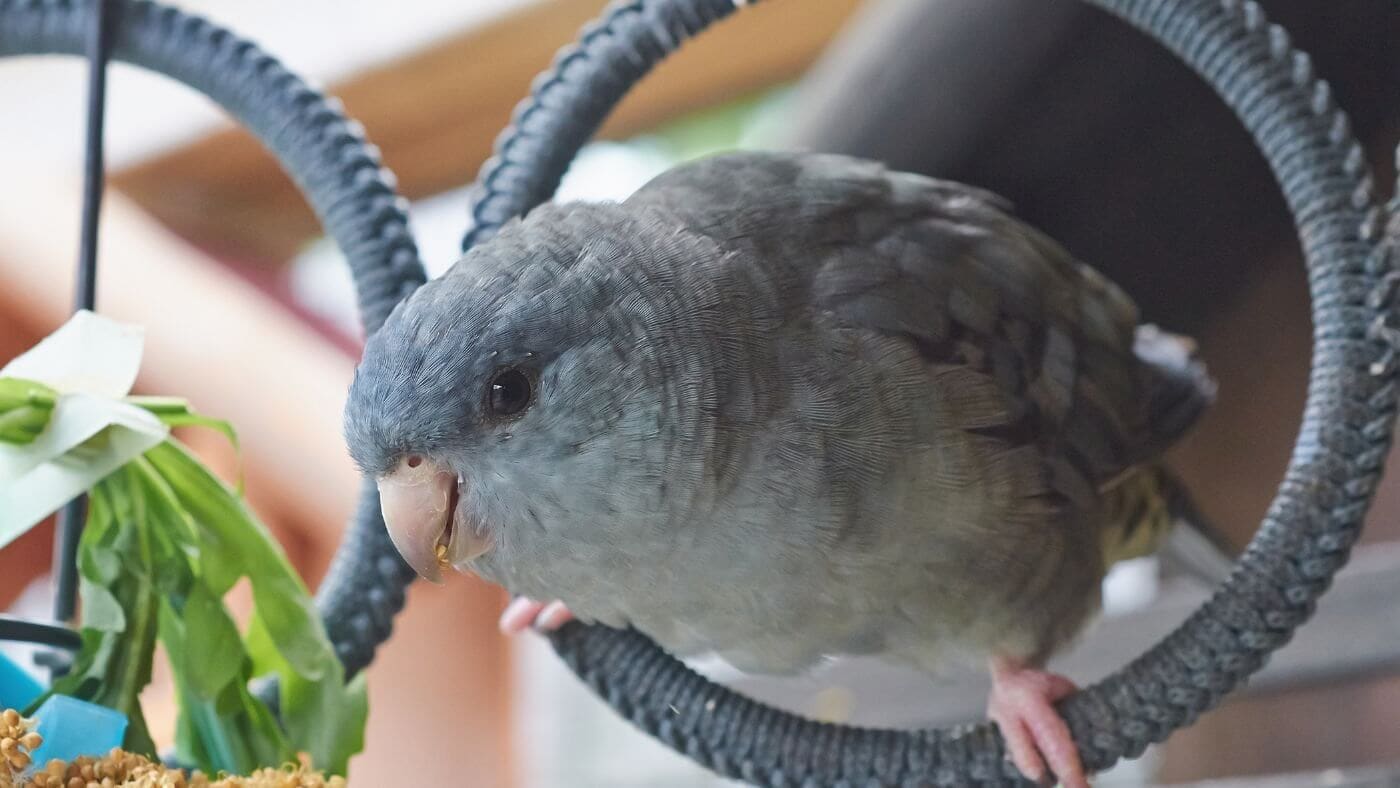
Toys And Enrichment: Matching Play Style To Personality
Toys are not optional extras. They are essential tools for mental and emotional well-being. However, not all toys suit all small parrots.
- Lovebirds often enjoy toys they can destroy and rebuild
- Parakeets may prefer lighter toys that move easily and encourage agility
- Some species respond better to visual stimulation, while others need tactile challenges
This is where many owners unintentionally go wrong, offering toys that are either too heavy, too hard, or simply not engaging for their bird's play style. Thoughtfully chosen toys encourage independence, reduce stress and help prevent unwanted behaviours.
When you focus on choosing the right supplies for smaller species, toys should always be selected with behaviour and safety in mind, not just size.
Perches And Accessories: Comfort Supports Long Term Health
Foot health is often overlooked in smaller parrots, yet it plays a crucial role in overall well-being. Smooth dowel perches alone are rarely sufficient.
Smaller species benefit from a variety of perch textures and diameters that encourage natural foot movement and reduce pressure points. This is particularly important for agile birds that spend long periods active throughout the day.
Accessories such as feeding stations, foraging trays and activity platforms can also enhance daily routines, turning ordinary moments into opportunities for enrichment.
Feeding Equipment And Daily Routines
While diet itself is a separate topic, the way food is offered can significantly impact how engaged your bird feels. Smaller parrots often enjoy working for part of their food, especially when feeding becomes part of play.
Using appropriate bowls, scatter feeding options or simple foraging setups can transform mealtimes into mentally stimulating activities. This is especially valuable for energetic species that become bored easily.
Supporting Confidence And Reducing Stress
Smaller parrots are often very aware of their environment. Sudden changes, unsuitable equipment or overstimulating setups can affect their confidence.
Providing familiar, well-matched supplies helps your bird feel safe and secure. This is particularly important for sensitive species or birds that are still settling into a new home.
When supplies are chosen thoughtfully, you will often see improvements in confidence, curiosity and overall behaviour.
Choosing The Right Supplies For Smaller Species Is About Understanding Your Bird
There is no universal checklist that works for every small parrot. What matters most is understanding your bird as an individual, then supporting their needs with well-chosen supplies that encourage natural behaviour and long-term wellbeing.
When you take the time to match toys, perches and accessories to your bird's size, personality and instincts, you are not just filling a cage. You are creating an environment where your parrot can truly thrive.
Ready To Take The Next Step?
If you want to explore supplies that are thoughtfully suited to lovebirds, small conures and parakeets, take some time to browse the dedicated collections created with each species in mind. You will also find more expert advice and in depth guides on the Parrot Essentials blog to help you make confident, informed choices for your bird.
Your parrot's size may be small, but with the right support, their quality of life can be anything but.
FAQs
Do small parrots really need species specific supplies?
Yes. Even among small parrots, needs can vary significantly. Differences in beak strength, activity level, confidence and chewing behaviour mean that supplies suitable for one species may not be ideal for another.
What is the most common mistake people make with small parrot supplies?
The most common mistake is choosing items that are too basic or too small. Many small parrots are highly intelligent and active, so they need enrichment, variety and space rather than minimal setups.
How many toys should a small parrot have?
Most small parrots benefit from having several toys available at once, rotated regularly to maintain interest. The goal is to provide mental stimulation without overcrowding the cage.
Are wooden toys safe for small parrots?
Yes, as long as the wood is bird safe and untreated. Many small parrots enjoy shredding and chewing softer woods, which helps support natural behaviours and beak health.
Do small parrots need different perches from larger parrots?
They do. Smaller parrots need perches that match their foot size and grip. A range of textures and diameters helps prevent foot strain and supports long term comfort.