Understanding Parrot Beak Strength: Why Not All Parrots Can Use the Same Toys
If you have ever given your parrot a new toy only to see it destroyed within minutes or completely ignored, you are not alone. One of the most overlooked aspects of parrot care is parrot beak strength, yet it plays a vital role in enrichment, safety, and long-term well-being.
Parrots do not all use their beaks in the same way. Some are powerful chewers designed to crack nuts and strip hardwood, while others have finer beaks built for precision rather than force. Understanding this difference helps you choose toys that are not only more enjoyable for your bird, but also safer and more effective.
In this guide, you will learn how parrot beak strength varies between parrots, why it matters, and how to make better enrichment choices that truly support your bird.
Why Parrot Beak Strength Matters More Than Most Owners Realise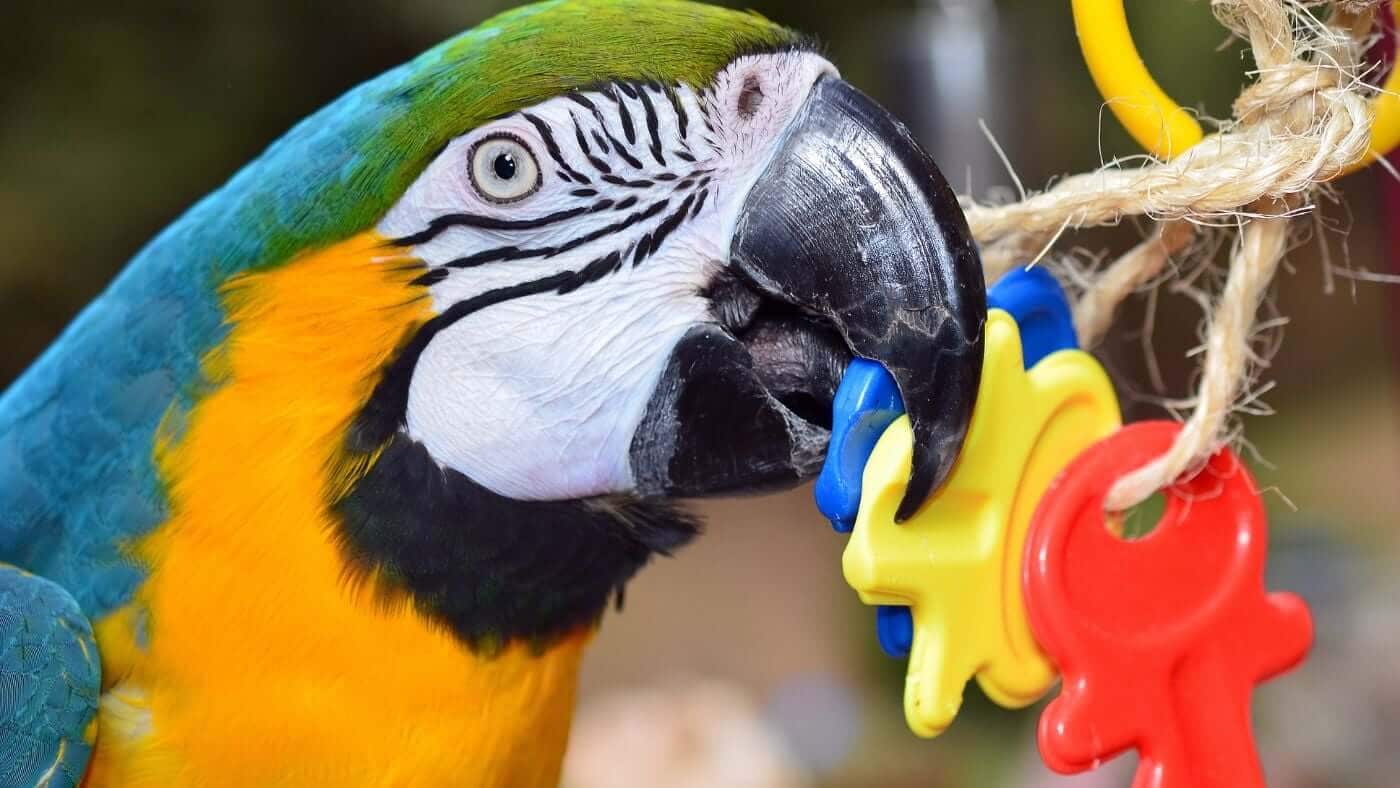
A parrot's beak is far more than a feeding tool. It is used for climbing, exploring, playing, grooming, defending, and problem-solving. When toys do not match your bird's parrot beak strength, problems often follow.
Strong-beaked parrots can become bored and frustrated when toys offer no challenge, while lighter-beaked parrots may be overwhelmed or even injured by toys that are too hard or heavy.
Matching toys to parrot beak strength is not just about durability. It is about meeting your parrot's natural instincts in a way that keeps them mentally stimulated and physically safe.
Heavy Chewers Built For Power And Destruction
Some parrots are natural demolition experts. Their beaks are designed to apply immense pressure, allowing them to crack nuts, tear through tough materials, and strip bark with ease.
- Extremely strong, curved beaks
- A constant drive to chew and destroy
- Very fast toy turnover if enrichment is not robust enough
Macaws and many cockatoos fall into this category, including Blue and Gold Macaws, Scarlet Macaws, Green Winged Macaws, Hyacinth Macaws, Military Macaws, and other large macaw species.
These parrots need resistance. Soft woods, thin plastics, or lightweight toys often last only minutes and can quickly lead to boredom. This is especially true for Hyacinth Macaws and Green-winged Macaws, whose beak strength is capable of breaking down materials that would overwhelm most other parrots.
For heavy chewers, enrichment works best when it uses thick, dense materials, encourages foraging and problem solving, and can be safely destroyed without creating sharp edges.
Moderate Chewers Where Parrot Beak Strength Is Guided By Intelligence
Moderate chewers use their beaks with more control. While still capable of damage, they rely heavily on intelligence, dexterity, and exploration rather than pure force.
- Strong but measured bite pressure
- High curiosity and problem-solving ability
- A preference for interactive or multi-part toys
African Greys and Amazon parrots are good examples, particularly Congo African Greys, Blue-Fronted Amazons, Double Yellow-Headed Amazons, and Orange-winged Amazons.
These parrots are far more likely to explore toys methodically rather than demolish them immediately. Congo African Greys, in particular, often prefer toys that involve problem-solving and manipulation, while Amazon parrots such as the Blue-Fronted Amazon tend to enjoy a balance of chewing and interactive play.
For these parrots, enrichment is most effective when it combines chewable materials with puzzles, encourages turning and lifting, and changes regularly to prevent boredom.
Light Chewers Precision, Shredding, And Gentle Play
At the lighter end of the scale are parrots whose beaks are designed for finesse rather than force. These birds still need enrichment, but their safety depends heavily on appropriate materials and a toy scale.
- Smaller, more delicate beaks
- A love of shredding and gentle play
- Sensitivity to heavy or overly hard toys
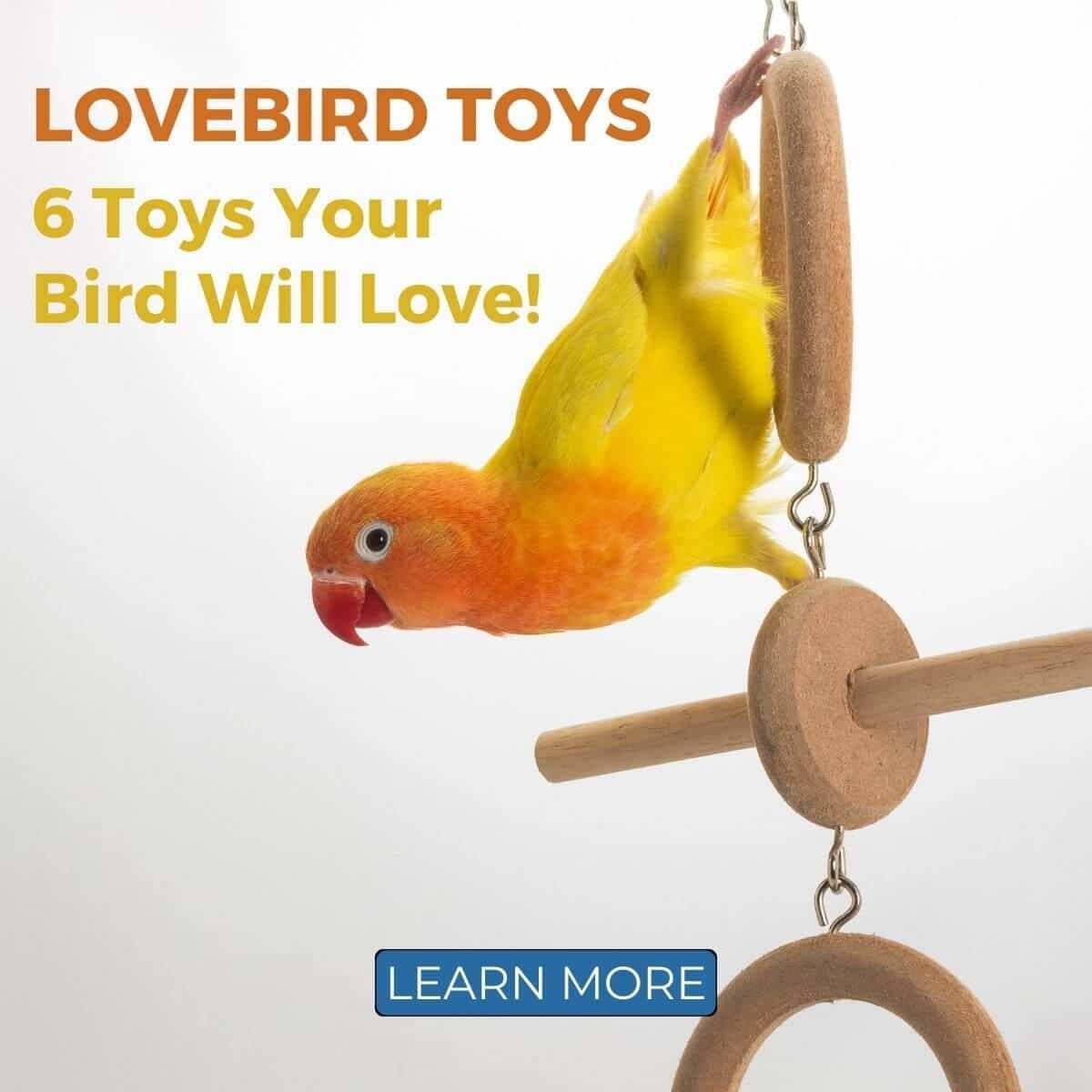
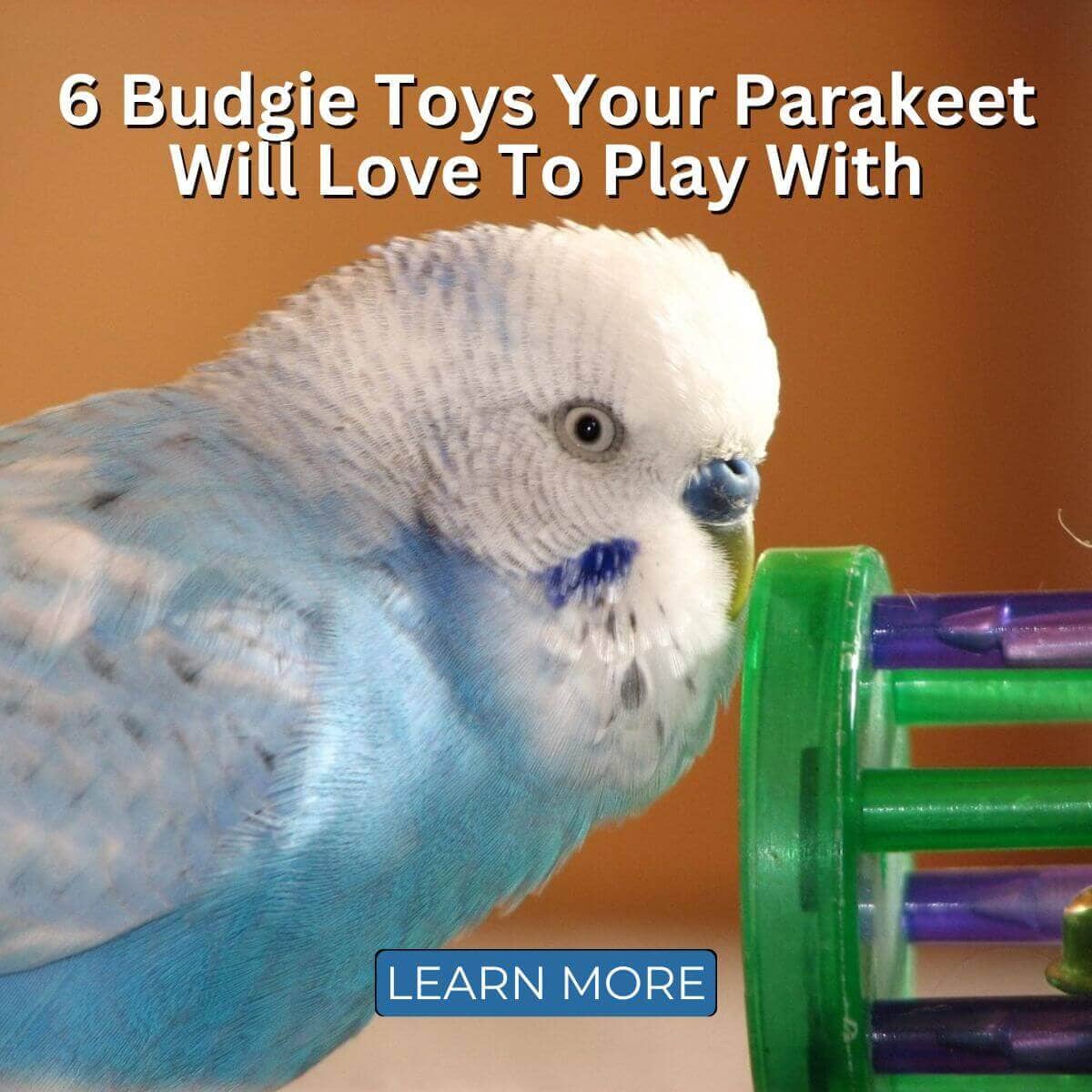
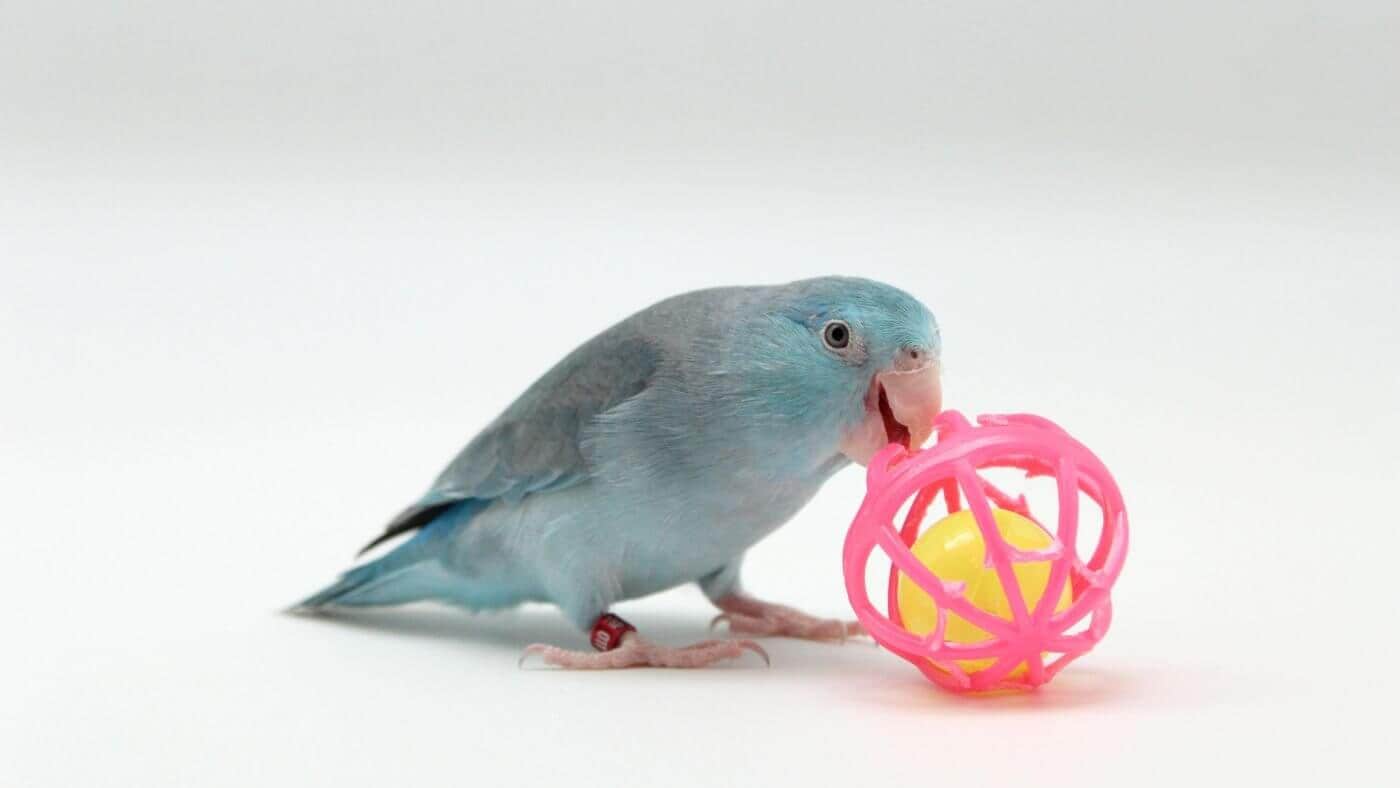
Lovebirds, budgies, and many parakeet species fit into this group, including Peach Faced Lovebirds, Fischer's Lovebirds, Budgerigars, Bourke's Parakeets, and Alexandrine Parakeets.
Toys designed for larger parrots can pose real risks here. For smaller birds like budgerigars and lovebirds, overly hard or heavy toys can cause unnecessary strain, damage the beak, or discourage natural play behaviours.
For light chewers, enrichment should use softer woods, paper, and natural fibres, be lightweight and easy to manipulate, and focus on shredding and exploration rather than resistance.
The Hidden Risk Of One Size Fits All Toys
It is easy to assume that if a toy is labelled for parrots, it must be suitable for all parrots. Unfortunately, that is rarely the case.
- Toys that are too hard can damage smaller beaks
- Toys that are too soft can be destroyed too quickly by larger parrots
- Toys that are too heavy can cause falls or muscle strain
This is why experienced parrot keepers move away from generic advice, as what works well for a Hyacinth Macaw may be completely unsuitable for a budgerigar or a lovebird.
Choosing Toys That Truly Suit Your Parrot
Rather than focusing on size alone, ask yourself:
- Does my parrot destroy toys quickly or carefully?
- Do they enjoy problem-solving or pure chewing?
- Do they become bored easily or overwhelmed easily?
Answering these questions honestly helps you align enrichment with your parrot's beak strength, whether you live with a Green-winged Macaw, a Congo African Grey, or a Peach-faced Lovebird.
Parrot Beak Strength And Long-Term Wellbeing
When toys are properly matched to parrot beak strength, enrichment lasts longer, stress-related behaviours are reduced, and mental stimulation improves overall quality of life.
Over time, this supports calmer behaviour, healthier routines, and a stronger bond between you and your parrot. This is not about buying more toys. It is about choosing the right ones.
Final Thoughts On Parrot Beak Strength
Understanding parrot beak strength changes how you approach enrichment. It replaces guesswork with confident, informed decisions that genuinely support your bird's natural behaviour.
Whether your parrot is a powerful chewer like a Green-winged Macaw, a clever problem solver such as a Congo African Grey, or a gentle shredder like a Peach-faced Lovebird, the right toys make a real difference, not just to play, but to lifelong wellbeing.
Ready to make better enrichment choices? Explore our expert advice and carefully selected parrot toys to find options that truly match your bird's beak strength, intelligence, and natural instincts. When enrichment is chosen with understanding, your parrot gains more than a toy, they gain a better quality of life.
FAQs
What is parrot beak strength?
Parrot beak strength refers to how much pressure a parrot can apply with its beak and how it naturally uses that strength. Some parrots are built to crack hard nuts and destroy dense materials, while others use their beaks more gently for precision, shredding, and exploration. Understanding parrot beak strength helps you choose safe, appropriate toys and enrichment.
Why is parrot beak strength important when choosing toys?
Toys that do not match your parrot's beak strength can lead to frustration, boredom, or injury. A toy that is too soft may be destroyed too quickly by a strong beaked parrot, while a toy that is too hard or heavy can damage a smaller or lighter beak. Matching toys to parrot beak strength supports both safety and mental stimulation.
Do larger parrots always have stronger beaks?
Not always. While many large parrots do have powerful beaks, beak strength is influenced by species, diet, and natural behaviour rather than size alone. Some medium-sized parrots can have surprisingly strong beaks, while certain larger parrots rely more on intelligence and manipulation than raw force.
How can I tell if a toy is too easy or too hard for my parrot?
If a toy is destroyed almost immediately, it may be too soft for your parrot's beak strength. If your parrot avoids the toy, struggles to interact with it, or seems frustrated, it may be too hard or intimidating. The ideal toy offers a challenge without causing stress or disinterest.
Do parrots with lighter beaks still need chew toys?
Yes. Even parrots with lighter beaks need opportunities to chew and shred. However, their toys should be made from softer materials such as paper, natural fibres, and lightweight wood. These materials allow safe chewing while still providing enrichment and mental stimulation.
What is the safest way to choose toys for my parrot?
The safest approach is to consider how your parrot naturally uses their beak, how quickly they destroy toys, and how they interact with enrichment. Focus on quality materials, appropriate scale, and toys designed to support your parrot's natural behaviour rather than choosing based on size alone.