African Grey Parrot CITES Protection: What Owners Need To Know
African Grey Parrot CITES protection means owners need to understand the rules around legal ownership, selling, breeding, identification, paperwork and international travel, especially because African Greys are protected under CITES Appendix I.
African Grey Parrots are among the world's most recognisable companion parrots. Their intelligence, remarkable ability to learn sounds and words, and highly social nature have made them popular for generations. Unfortunately, that popularity also contributed to enormous pressure on wild populations.
In 2016, countries belonging to the Convention on International Trade in Endangered Species of Wild Fauna and Flora, better known as CITES, voted to move the African Grey Parrot, Psittacus erithacus, from Appendix II to Appendix I. The change came into effect on 2 January 2017.
Nearly a decade later, the decision is no longer breaking news, but African Grey Parrot CITES protection remains extremely relevant. If you own an African Grey, are considering buying one, breed parrots or plan to travel internationally with your bird, understanding these regulations can help you protect both yourself and your parrot.
Why Are African Grey Parrots Protected By CITES?
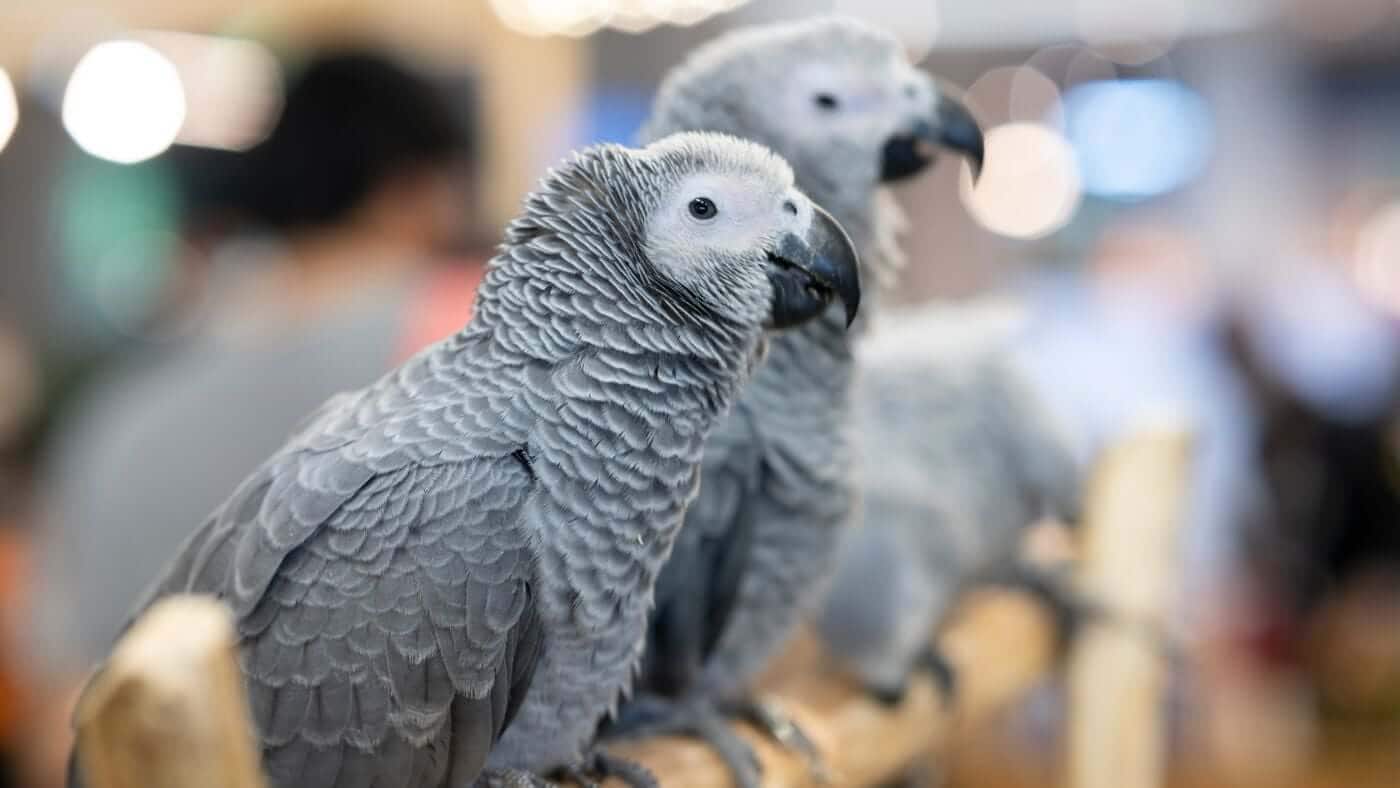
African Grey Parrots occur naturally across parts of West and Central Africa, where wild populations have faced pressure from both habitat loss and trapping for the international pet trade.
The scale of historical trade was substantial. Information presented during the proposal to move the species to Appendix I recorded gross exports of more than 1.3 million wild African Grey Parrots from 18 range states since 1975. Researchers also documented extremely severe population declines in some areas. In Ghana, for example, populations were estimated to have fallen by around 90 to 99% since the early 1990s.
These figures only represent part of the problem. Birds that died during capture or transport and parrots moving through illegal trade were not necessarily represented in official export records.
Habitat loss has added further pressure by reducing the mature forests, feeding areas, nesting trees and roosting locations that wild African Greys depend upon.
The combination of these threats ultimately led CITES members to approve much stronger international protection.
What Is CITES?
CITES stands for the Convention on International Trade in Endangered Species of Wild Fauna and Flora.
CITES is an international agreement designed to make sure that trade in wild animals and plants does not threaten their survival.
Species covered by CITES are generally placed into one of three Appendices, with different levels of protection.
Appendix I contains species threatened with extinction that may be particularly affected by international trade. International commercial trade in wild-sourced Appendix I animals is therefore subject to the strongest restrictions.
Appendix II covers species that may not currently be threatened with extinction but for which trade needs to be controlled to prevent exploitation becoming a serious conservation threat.
African Grey Parrots had been included in Appendix II since 1981. At the CITES Conference of the Parties in Johannesburg in 2016, members agreed to transfer Psittacus erithacus to Appendix I, with the new listing taking effect on 2 January 2017.
What Does African Grey Parrot CITES Protection Mean?
One of the biggest misconceptions surrounding the 2016 decision is that it made African Grey Parrots illegal to own or sell.
That is not the case.
CITES primarily regulates international trade in protected species. Appendix I status places very strict controls on international commercial trade, particularly where wild-caught birds are concerned.
Legally captive-bred African Grey Parrots can still be kept, bred and, where the appropriate requirements are met, sold. In Great Britain, commercial activity involving these Annex A birds is controlled through Article 10 and related certificates.
International commercial trade is subject to additional CITES rules and permits, so captive-bred status alone does not automatically allow a bird to be moved or traded between countries.
For owners, this means the history and legal origin of a bird matter enormously.
A captive-bred African Grey with appropriate identification and documentation is very different from a parrot whose origin cannot be established.
Keeping paperwork may seem like administration, but it helps create a traceable history showing that legally kept captive birds are separate from the illegal removal of parrots from the wild.
What Does CITES Mean For African Grey Owners In Great Britain?
For owners in England, Scotland and Wales, another term becomes particularly important: Annex A.
African Grey Parrots are included within Annex A under the wildlife trade regulations that apply in Great Britain.
Annex A controls commercial activity involving the species. Current GOV.UK guidance states that a commercial-use certificate is required for an Annex A specimen if you plan to:
- Use it for commercial gain.
- Keep it for sale.
- Offer it for sale.
- Transport it for sale.
- Display it publicly for commercial purposes.
- Breed from it with the intention of selling the offspring.
In most cases involving an individual bird, this will be an Article 10 certificate.
Simply owning and enjoying your African Grey as a companion is not the same as commercially using the bird.
However, paperwork becomes particularly important if the bird is later sold, bred commercially or involved in another activity covered by the regulations.
The rules for Northern Ireland can differ from those applying in Great Britain, so owners there should check the current government guidance relevant to Northern Ireland.
What Is An Article 10 Certificate?
An Article 10 certificate is one of the documents you are likely to hear about when discussing African Grey Parrot CITES requirements in Great Britain.
It allows certain commercial activities involving Annex A specimens that would otherwise be prohibited.
Certificates can also have different conditions attached to them.
A Specimen Specific Certificate applies to the individual specimen, while a Transaction Specific Certificate may only permit a particular activity or transaction by the person or business named on it.
You should therefore read the certificate rather than simply assuming that possessing CITES paperwork automatically permits every future commercial activity.
If you are unsure, contact the Animal and Plant Health Agency before selling or breeding from the bird commercially.
Does Your African Grey Need Permanent Identification?
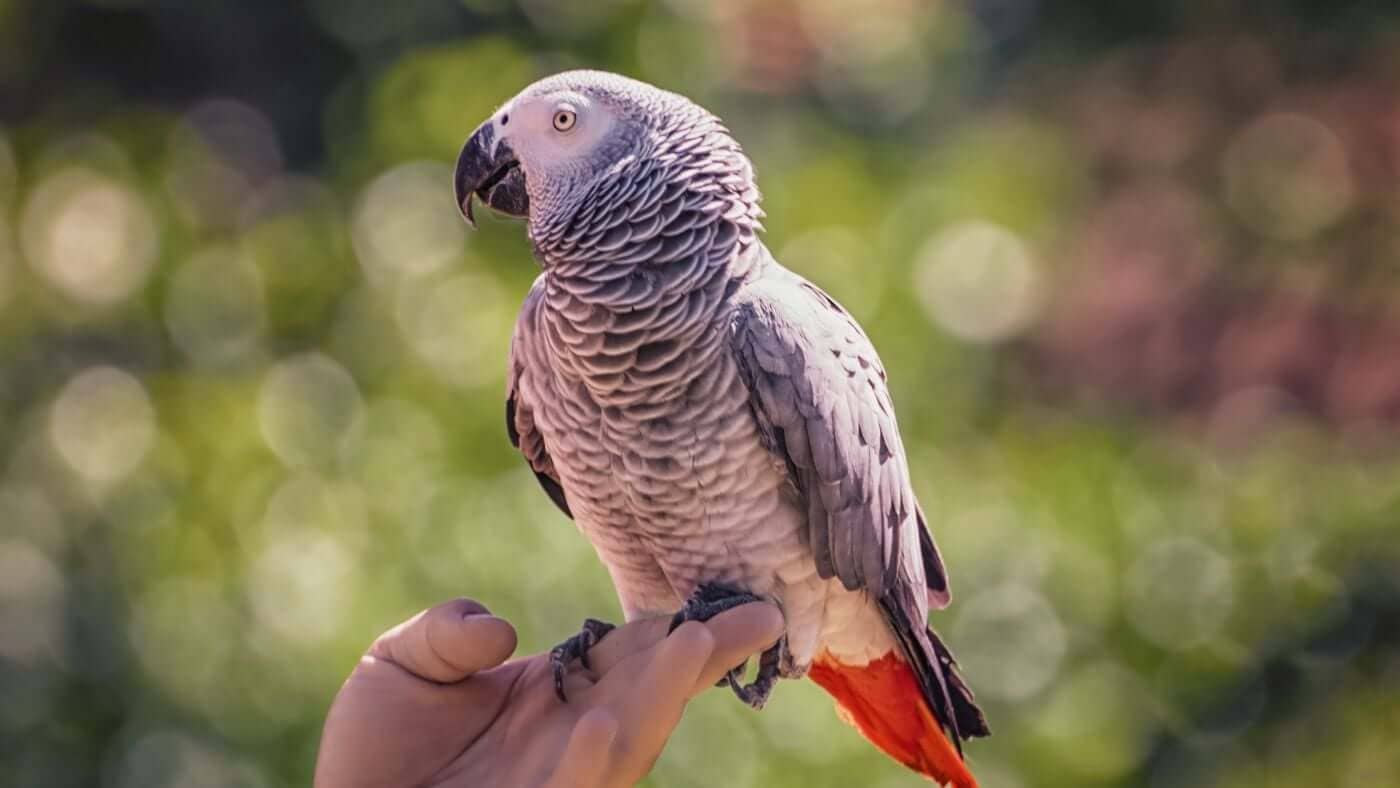
Identification plays an important role in linking an individual bird with its documentation.
Current government guidance states that most live Annex A specimens must be permanently identified.
For birds, appropriate identification may include a uniquely numbered seamless closed ring. An ISO-compliant uniquely numbered microchip is another recognised method of identification for live specimens.
This means an African Grey does not automatically have to be microchipped if it is already appropriately identified with a qualifying closed ring.
The identification details associated with a certificate are important because they help demonstrate that the document belongs to that particular bird.
If your African Grey already has documentation, check that the identifying information associated with the bird corresponds with its records.
Do not remove a ring or arrange new identification simply because you have read about CITES online. If there is a problem with your bird's existing identification or documentation, seek advice from APHA and an avian vet where appropriate before making changes.
What Paperwork Should You Keep?
A long-lived parrot can pass through different homes during its lifetime, so records that appear unimportant today could become extremely useful years later.
Where available, keep:
- The bird's Article 10 certificate.
- Purchase receipts or invoices.
- Breeder or previous owner details.
- Closed-ring or microchip information.
- Previous CITES permits or certificates.
- Written information showing where and when the bird was bred.
- Records relating to previous transfers of ownership.
Try to keep original documents somewhere secure while retaining copies where practical.
The goal is to maintain a clear chain of information showing the bird's identity and lawful origin.
This can become especially important if you later need to sell the bird, apply for documentation or move it internationally.
Can You Give An African Grey Away?
There is an important difference between selling an Annex A bird and genuinely giving one away.
Current GOV.UK guidance states that an Article 10 certificate is not required simply to give an Annex A specimen away or use it for non-commercial purposes.
If you receive an African Grey as a genuine gift, you must complete the relevant WLRS02 declaration confirming that the transfer did not involve a commercial transaction. The new keeper should also retain information about the bird's origin and any previous documentation.
A "gift" also needs to genuinely be a gift.
If money, services, another animal, a charitable donation or some other benefit is exchanged as part of the arrangement, different commercial rules may apply.
Buying An African Grey Parrot
If you are considering bringing an African Grey into your family, CITES paperwork should be part of your buying decision rather than something you think about afterwards.
Before agreeing to purchase a bird, make sure you are satisfied with its legal origin and documentation.
Check:
- Who bred or previously owned the bird.
- What identification the bird carries.
- Whether the identification agrees with its paperwork.
- Whether the seller has valid documentation permitting the sale.
- Whether you will receive the relevant documents or information after purchase.
GOV.UK advises buyers of Annex A species to make sure the seller has valid documentation before buying.
Be cautious if someone cannot explain where a bird came from, dismisses questions about paperwork or suggests that documentation does not matter.
A responsible seller should understand why these protections exist.
Selling An African Grey Parrot
If circumstances change and you need to sell your African Grey, do not simply advertise the bird and deal with the paperwork afterwards.
Check the certificate first.
Current Great Britain rules require an appropriate commercial-use certificate for Annex A specimens being kept, offered or transported for sale.
The exact permissions can depend on the certificate held for that individual bird.
Transaction Specific Certificates, for example, are only valid for the person or business named on the document and may authorise a specific sale or particular activity.
If you cannot locate the documentation or are uncertain whether it permits a sale, contact APHA before advertising or accepting payment.
Breeding African Grey Parrots
Captive breeding can continue under CITES controls, but breeding does not automatically mean that offspring can be commercially sold without the relevant requirements being met.
GOV.UK states that a commercial-use certificate is required where an Annex A specimen is being bred from in order to sell individual offspring, even where the parent birds themselves are not going to be sold.
The parent specimens must also be uniquely and permanently marked in accordance with the applicable regulations.
If you intend to breed African Greys commercially, documentation and identification therefore need to be considered before chicks are produced, not when someone arrives to buy one.
Responsible captive breeding should always maintain a clear record of parentage and legal origin.
Can You Travel Abroad With An African Grey?
International travel deserves particular attention because this is where CITES itself becomes directly relevant.
Current GOV.UK guidance states that you must apply for the appropriate CITES permit when moving a CITES specimen into or out of Great Britain where a permit is required under the regulations.
There can also be animal health and import requirements in addition to CITES.
For example, birds entering Great Britain may require appropriate health certification, advance notification and suitable identification. Requirements vary depending on the country the bird is travelling from.
Do not assume that paperwork used to buy your African Grey in the UK is automatically sufficient for international travel.
Depending on the journey, you may need:
- CITES export or re-export documentation.
- CITES import documentation.
- Health certification.
- Identification matching the documents.
- Approval through specified ports or border points.
- Additional documents required by the destination country.
Requirements vary depending on where you are going and whether you are leaving or entering Great Britain.
Check both UK requirements and the rules of your destination well before travelling.
Why African Grey Parrots Still Need Protection
Moving African Grey Parrots to CITES Appendix I was an important conservation achievement, but legislation alone cannot restore depleted wild populations.
Illegal exploitation remains a concern.
Research and conservation work continue to show that Grey Parrots face pressure from trapping, chick poaching, hunting and habitat loss in parts of their natural range.
Recent surveys in Nigeria have also suggested that although the trade in Grey Parrots may have become less visible in some areas, exploitation has not disappeared.
This is an important reminder that conservation does not end when a law is introduced.
Effective protection also requires enforcement, habitat conservation, responsible buying decisions, local community involvement and continued monitoring of wild populations.
How Responsible Owners Can Help
You do not need to work in conservation to make responsible choices that support African Grey Parrots.
If you already own one, maintain its paperwork carefully.
If you are buying one, choose a legally captive-bred bird with a traceable history and appropriate documentation.
If you breed African Greys, understand the requirements before selling offspring and maintain accurate records.
Never support sellers offering suspiciously sourced parrots or birds whose history cannot reasonably be established.
You can also support reputable conservation organisations working within the natural range of African Grey Parrots to protect habitat, tackle illegal trapping and improve understanding of remaining wild populations.
Responsible ownership and wildlife conservation should not be viewed as separate subjects. The aim of regulation is to ensure that keeping parrots in captivity does not create further pressure on parrots living in the wild.
African Grey Parrot CITES Protection Is About More Than Paperwork
Certificates, rings, microchips and permits can make African Grey Parrot CITES regulations seem like little more than administration. Behind those documents, however, is a much bigger conservation story.
For decades, huge numbers of African Grey Parrots were taken from the wild for international trade. Combined with habitat loss, this contributed to serious population declines across parts of their natural range.
The decision to move the species to CITES Appendix I in 2016 was intended to give wild populations much stronger protection.
If you share your home with an African Grey, understanding the rules is part of responsible ownership.
Keep the bird's documents safe, check the requirements before buying or selling, seek guidance before breeding commercially and investigate the necessary permits before travelling internationally.
African Grey Parrot CITES protection cannot by itself guarantee the future of wild African Greys, but responsible trade, effective enforcement and informed ownership can all help ensure that these extraordinary parrots continue to thrive both in our homes and, most importantly, in the forests where they belong.
This article provides general information based on CITES and Great Britain guidance available in 2026. Wildlife trade and travel rules can change, so always check the latest GOV.UK and CITES requirements or contact APHA before buying, selling, breeding commercially or moving an African Grey internationally.
FAQs
Do African Grey Parrots need a CITES certificate in the UK?
Simply owning an African Grey as a companion does not automatically require an Article 10 certificate. However, commercial activities such as selling, offering the bird for sale or breeding with the intention of selling offspring can require appropriate documentation.
Can I legally sell an African Grey Parrot in the UK?
Yes, but African Greys are Annex A birds in Great Britain, so an appropriate commercial-use certificate is normally required before the bird can be legally offered or sold.
Does an African Grey Parrot have to be microchipped?
Not always. African Greys may be permanently identified using an appropriate uniquely numbered seamless closed ring or an ISO-compliant microchip, depending on the bird and its documentation.
Can I give my African Grey Parrot to someone else?
A genuine non-commercial gift can be treated differently from a sale. The relevant declaration should be completed, and the new keeper should retain any paperwork relating to the bird's identity and legal origin.
Can I travel abroad with an African Grey Parrot?
Yes, but international travel may require CITES permits, health documentation, suitable identification and compliance with the rules of both the UK and the destination country.