African Parrots Care Guide: Greys, Cape and Poicephalus Species
When people think of intelligence in birds, African parrots are often the first to come to mind. Known for their problem-solving abilities, emotional awareness and strong bonds with their humans, these birds are among the most fascinating companions you can share your life with. But African parrots are not all the same. From Greys to Poicephalus species, each has distinct traits and care needs.
In this guide, we will explore the key differences between African Grey parrots, Congo African Greys and the Poicephalus family, including Cape, Meyer's and Brown-Headed parrots. Understanding these differences will help you create a more supportive, enriching environment tailored to your bird.
What Makes African Parrots Unique?
African parrots are widely recognised for their intelligence and sensitivity. They notice routine changes, respond to tone of voice and form meaningful relationships with their carers. This emotional depth is part of what makes them so rewarding, but it also means they require thoughtful, consistent care.
Whether you care for a Grey or a smaller Poicephalus species, mental stimulation, structured routines and safe enrichment are essential foundations of wellbeing.
African Grey Parrots: The Deep Thinkers
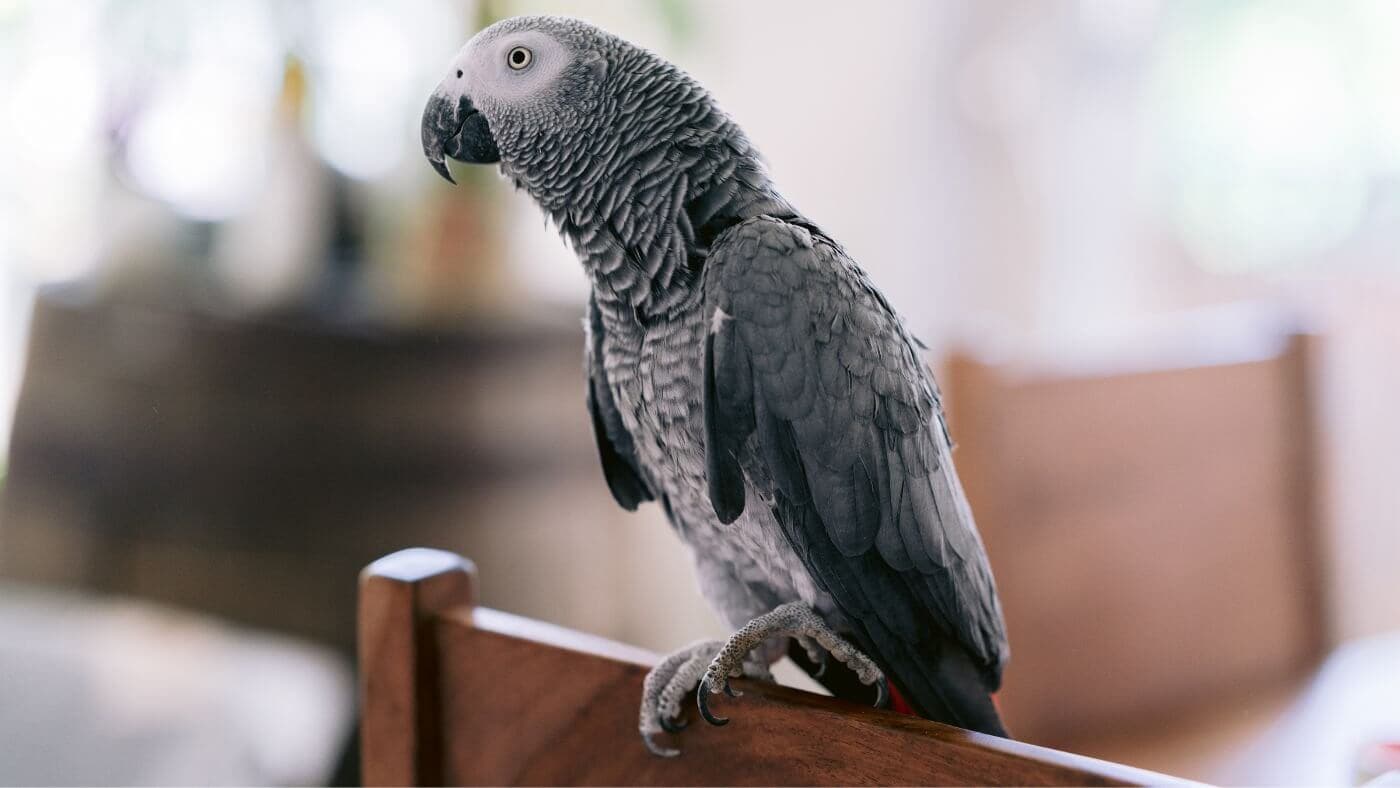
The African Grey is perhaps the most well-known of all African parrots. Famous for clear speech and advanced cognitive skills, they thrive when given regular interaction and complex enrichment opportunities.
Many owners specifically care for the Congo African Grey, the most commonly kept subspecies. While closely related, subtle differences in size and temperament may influence housing and enrichment choices.
If you share your home with one of these remarkable birds, exploring tailored resources such as African Grey Parrot Supplies and Congo African Grey Parrot Supplies can help you match their high cognitive needs with appropriate enrichment and nutrition.
- Rotate enrichment regularly to prevent boredom
- Provide strong, safe chewing materials
- Offer a balanced diet with fresh components
- Maintain consistent daily interaction
Without stimulation, Greys can become withdrawn or develop unwanted behaviours. With the right support, they are extraordinary companions.
Poicephalus Parrots: Confident and Capable African Parrots
The Poicephalus group includes several smaller African parrots that often fly under the radar. These birds may be more compact than Greys, but their personalities are anything but small.
This family includes:
- Cape Parrot
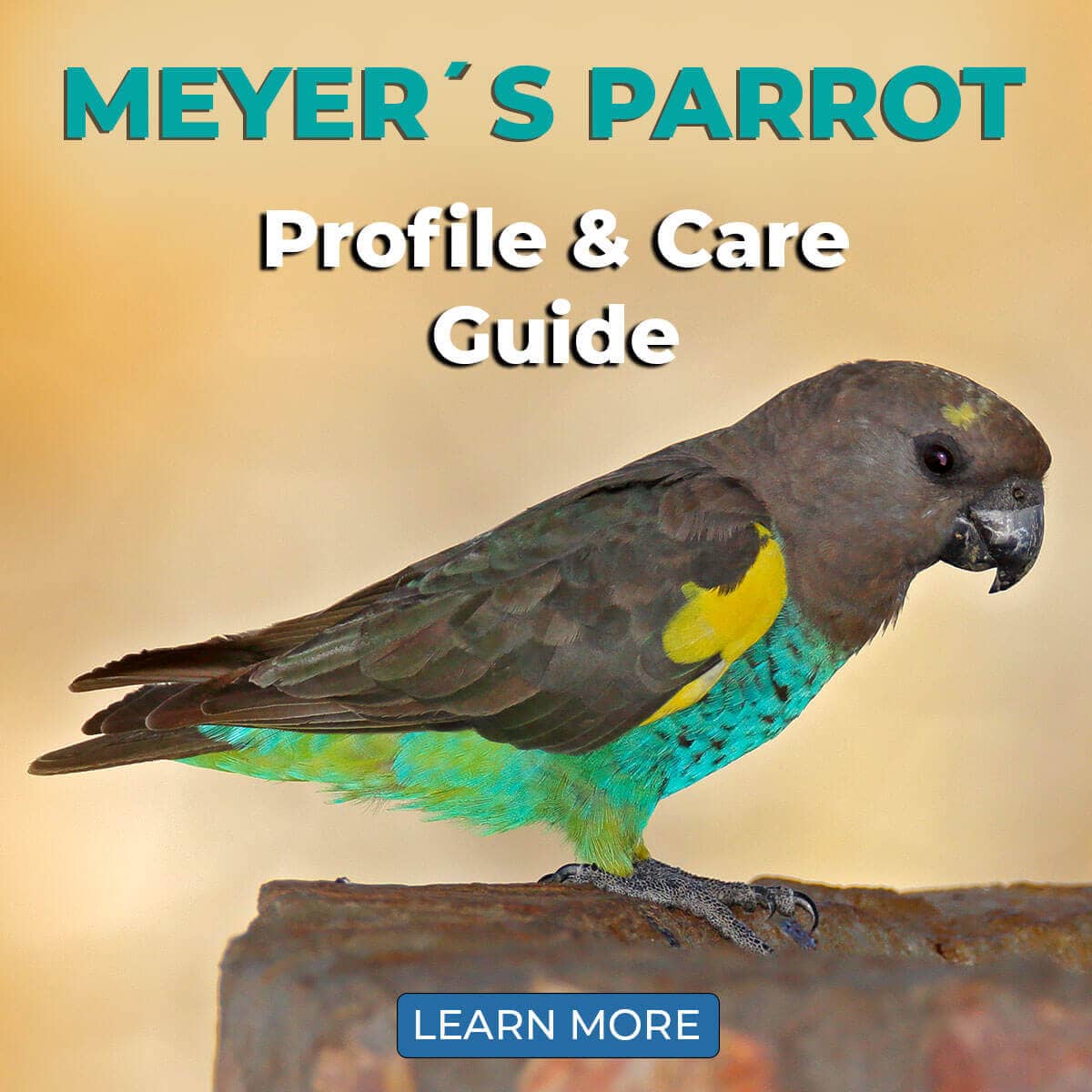
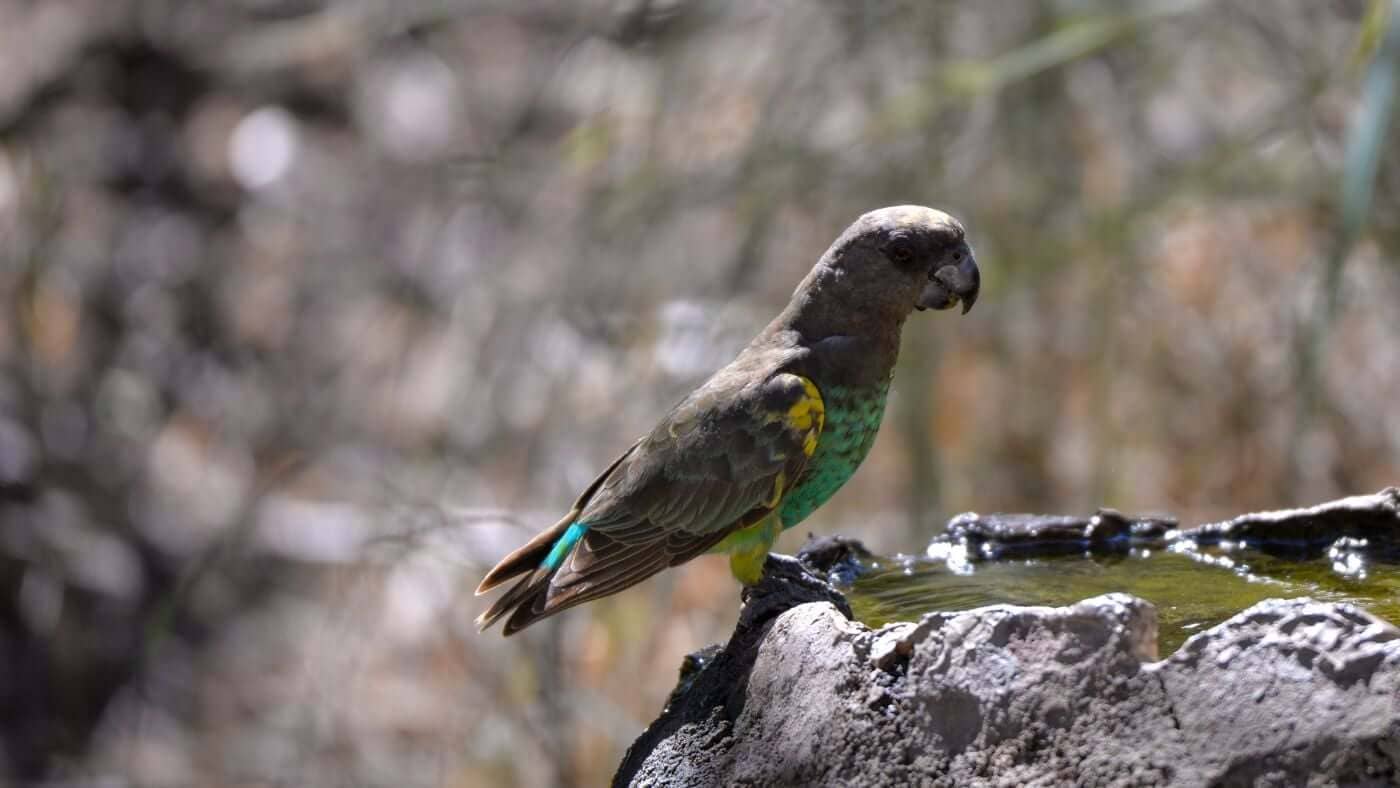
- Meyer's Parrot
- Brown Headed Parrot
They are typically confident, curious and affectionate without being as emotionally intense as larger parrots. For many homes, they offer a balanced combination of intelligence and manageability.
If you are researching these species, you may find it helpful to explore:
Cape Parrots: Specialised Care Needs
The Cape Parrot stands out among African parrots due to its conservation background and dietary sensitivities. These birds require careful nutritional planning and durable enrichment to support their strong beaks and active nature.
Providing structured stimulation, high-quality feeding routines and species-appropriate materials helps ensure long-term well-being.
Meyer's and Brown Headed Parrots: Balanced Companions
Meyer's and Brown Headed parrots are often described as adaptable and steady. They bond well with their families while maintaining a degree of independence.
They benefit from:
- Moderate strength enrichment
- Climbing and exploration opportunities
- Consistent daily interaction
They may not rival a Grey in vocabulary, but their intelligence and character make them deeply rewarding companions.
Choosing the Right Setup for African Parrots
All African parrots share core needs:
- Mental stimulation
- Durable, safe enrichment
- Balanced nutrition
- Stable routines
However, scale and intensity differ. A Congo African Grey may require heavier-duty materials than a Meyer's Parrot. A Cape Parrot may need closer attention to diet compared to a Brown-Headed Parrot.
Matching your environment to your bird's natural tendencies reduces stress, supports healthy behaviour and strengthens your bond.
Final Thoughts on African Parrots
African parrots are intelligent, emotionally aware and deeply rewarding companions. Whether you share your life with a Grey, a Poicephalus species, or you are still researching the right fit, understanding species-specific differences allows you to move from reactive care to proactive support.
If you would like to explore enrichment ideas, feeding guidance or species-tailored essentials, browse our dedicated parrot care resources and discover how thoughtful adjustments can transform your bird's wellbeing.
When you understand African parrots properly, you do not just meet their needs. You help them flourish.
FAQs
Are African parrots good pets for beginners?
African parrots are generally not recommended for complete beginners. Their intelligence, sensitivity and emotional needs require time, consistency and proper enrichment. Smaller Poicephalus species may suit committed first-time owners more than larger Greys, but research and preparation are essential.
What is the difference between an African Grey and a Congo African Grey?
The Congo African Grey is the most commonly kept subspecies of African Grey. Congo Greys are slightly larger with brighter red tail feathers. In terms of care, both require high levels of mental stimulation, social interaction and structured enrichment.
Are Poicephalus parrots easier to care for than African Greys?
Poicephalus parrots, such as Meyer's and Brown-headed parrots, are often considered more independent than Greys. They may be less demanding emotionally, but they still require proper enrichment, balanced nutrition and daily interaction to thrive.
How intelligent are African parrots?
African parrots are among the most intelligent bird species kept as companions. African Greys, in particular, are known for advanced problem-solving and speech ability. However, intelligence also means they can become bored or stressed if not properly stimulated.
Do African parrots talk?
Many African parrots can mimic speech. African Greys are especially well known for clear vocal imitation. Some Poicephalus species may speak, but typically with a smaller vocabulary.