Boredom In Parrots: Why Some Species Struggle More Than Others
Boredom in parrots is one of the most underestimated challenges in parrot care. Many behavioural issues blamed on personality, stubbornness or noise are actually signs of an under-stimulated bird. What often surprises owners is that some parrot species are far more prone to boredom than others.
Understanding why boredom affects parrots differently is key to supporting their mental health, preventing unwanted behaviours and creating an environment where your bird can thrive.
Why Boredom In Parrots Is Such A Big Issue
Parrots are not passive pets. In the wild, they spend much of their day flying, foraging, problem-solving and socialising. Captivity removes many of these natural challenges, which means stimulation must be provided deliberately.
When boredom in parrots sets in, it often shows itself through behaviours such as excessive screaming, destructive chewing, pacing, feather-damaging behaviour or withdrawal. These are not signs of a difficult bird. They are signs of unmet needs.
Highly Intelligent Parrots And Boredom
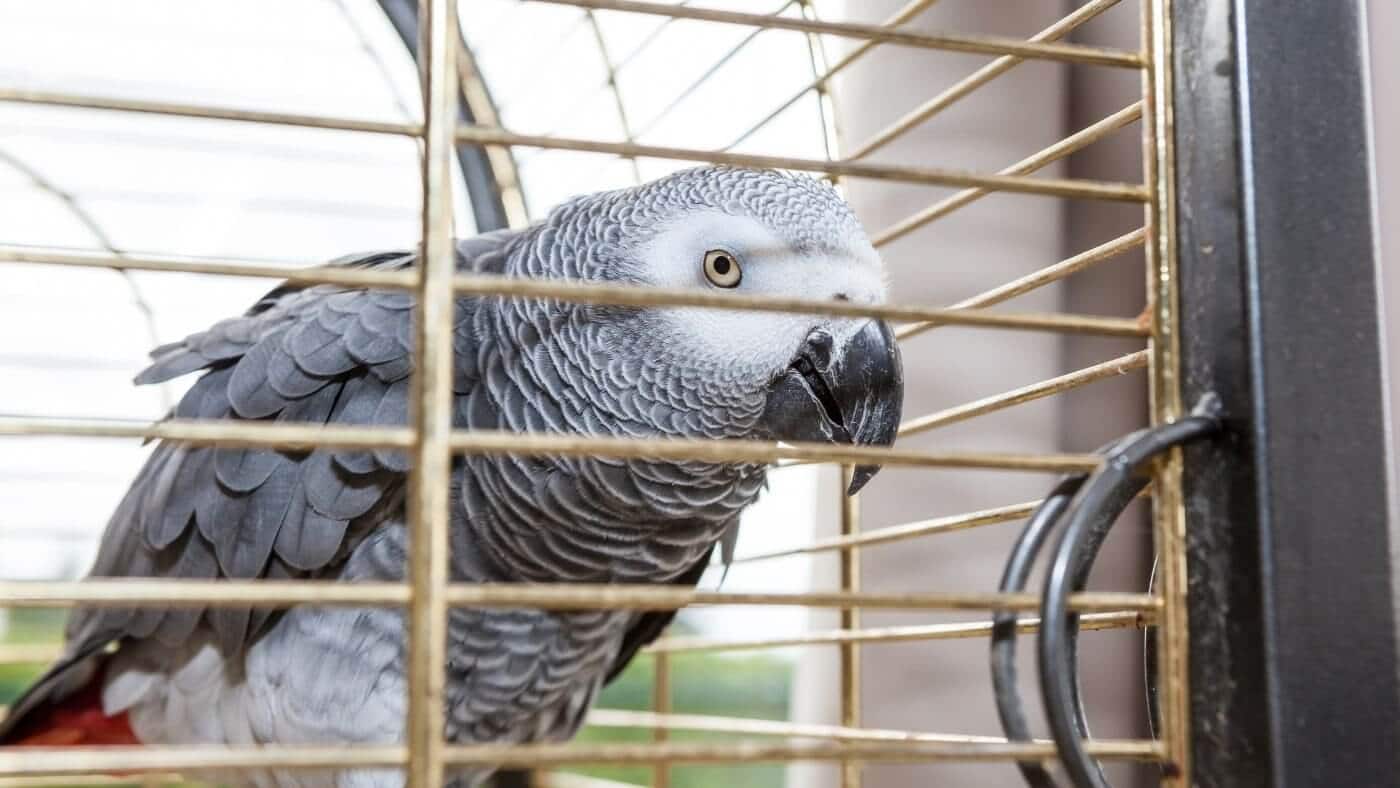
Intelligence plays a major role in how strongly boredom in parrots develops. Highly intelligent parrots process their environment constantly and notice patterns very quickly. When their surroundings become predictable, frustration can build.
Species such as African Greys, many macaws and some Amazon parrots are known for advanced problem solving and emotional awareness. These birds often lose interest in simple toys within days if there is no variation or challenge involved.
For these parrots, boredom is not about a lack of items, but a lack of meaningful engagement. Rotating toys, introducing foraging opportunities and changing routines can make a significant difference.
Social Species Versus More Independent Types
Social structure is another major factor when it comes to boredom in parrots. Parrots that evolved to live in large, interactive flocks often struggle more when kept without sufficient social interaction.
Conures, budgerigars and many lovebird species are highly social and thrive on regular engagement. Without enough interaction, either with people or other birds, these species can become restless and vocal very quickly.
In contrast, some parrots are naturally more independent. Certain Poicephalus species, for example, may tolerate quieter periods better, although this does not mean they require less enrichment overall.
The key difference is how boredom presents itself. Social species often become noisy and demanding, while more independent parrots may become withdrawn or develop subtle stress behaviours that are easy to miss.
Why Two Parrots Can React Very Differently To Boredom
Many owners are surprised when two parrots in similar environments respond completely differently. This is often due to a combination of intelligence, social needs and individual personality.
For example, a small parrot such as a lineolated parakeet may appear calm and content in a simple setup, while a similarly sized conure becomes restless and destructive. Size alone does not determine stimulation needs.
Linking boredom in parrots back to species traits helps explain why advice that works for one bird may not work for another.
Common Signs Of Boredom In Parrots
Some signs of boredom are obvious, but others are subtle and easy to overlook.
- Reduced interest in toys or food
- Repetitive movements or pacing
- Sudden changes in vocalisation
- Overattachment to one person
- Increased fearfulness or irritability
Recognising these early signs allows you to make small changes before boredom develops into long-term behavioural problems.
Preventing Boredom In Parrots Through Environment And Routine
Preventing boredom in parrots is not about constant entertainment. It is about providing variety, choice and opportunities for natural behaviour.
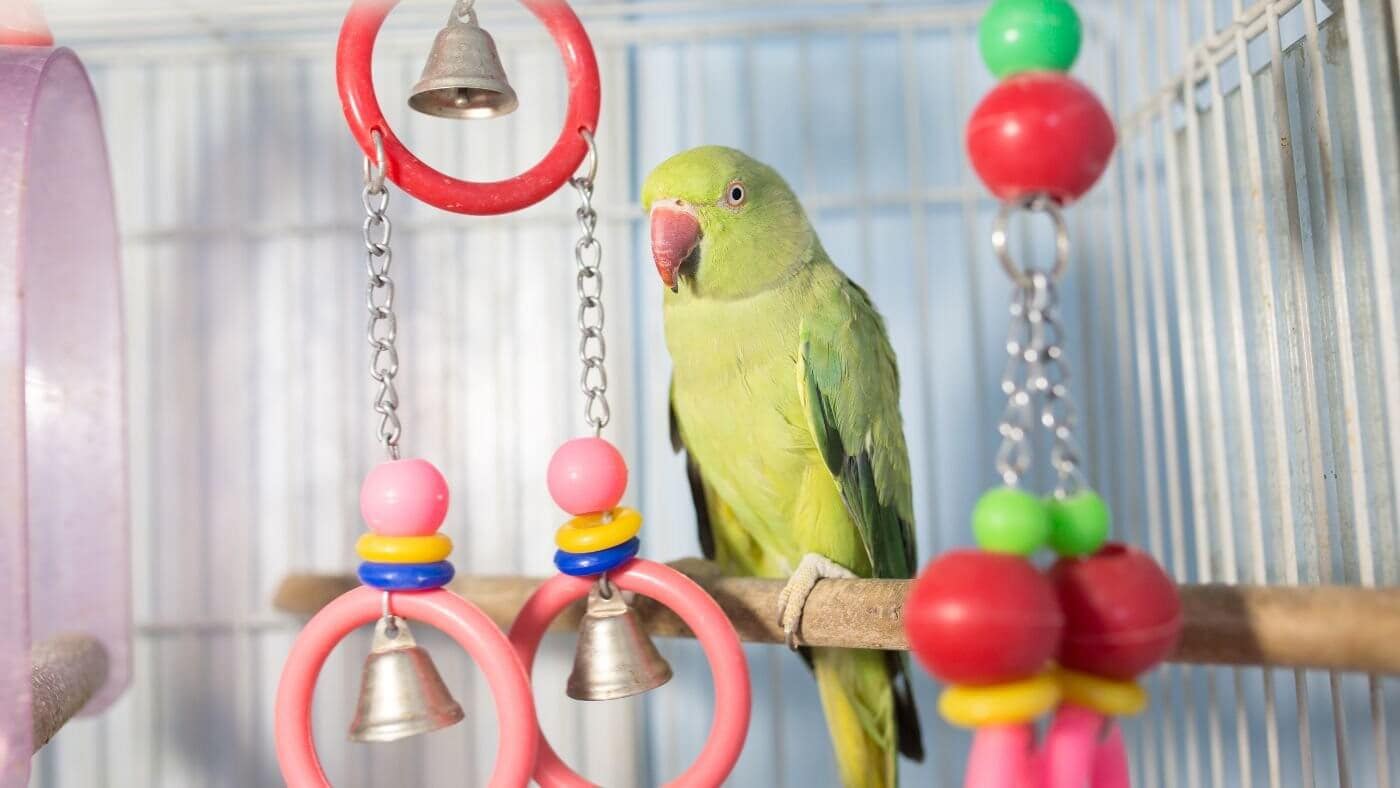
- Rotating toys rather than leaving the same ones in place
- Encouraging foraging rather than bowl feeding alone
- Rearranging perches and accessories occasionally
- Allowing safe, supervised out-of-cage time
- Building short interaction sessions into your daily routine
For highly intelligent or very social species, these changes are especially important.
Understanding Your Parrot As An Individual
While species traits provide useful guidance, every parrot is still an individual. Age, background, confidence level and previous experiences all influence how boredom in parrots affects behaviour.
Observing how your parrot responds to change is one of the best tools you have. A bird that becomes curious and engaged when new challenges are introduced is telling you exactly what they need more of.
Boredom In Parrots Is A Welfare Issue
Boredom in parrots is not a training failure or a behavioural flaw. It is a welfare issue that deserves attention and understanding.
By recognising why some species struggle more than others, you can make informed choices that support your parrot's mental and emotional wellbeing, not just their physical needs.
Ready To Support Your Parrot?
If you recognise signs of boredom in parrots, small changes can have a powerful impact. Exploring enrichment options, adjusting routines and learning more about your bird's natural behaviour can transform their daily life.
A stimulated parrot is not just quieter or easier to live with. They are healthier, more confident and better able to thrive in your care.
FAQs
What causes boredom in parrots?
Boredom in parrots is usually caused by a lack of mental stimulation, limited social interaction, predictable routines or an environment that does not encourage natural behaviours like foraging and problem solving.
How can I tell if my parrot is bored?
Common signs include excessive screaming, repetitive movements, destructive chewing, feather-damaging behaviour, withdrawal or sudden changes in behaviour. Some parrots show subtle signs, so changes in routine or mood are worth paying attention to.
Are some parrot species more prone to boredom than others?
Yes. Highly intelligent and social species tend to struggle more with boredom than more independent parrots. Species that evolved to live in large flocks or spend long periods foraging often need higher levels of stimulation in captivity.
Can boredom cause behavioural problems in parrots?
It can. Long-term boredom in parrots is closely linked to behavioural issues such as screaming, aggression, feather-damaging behaviour and anxiety. Addressing boredom early can prevent these problems from becoming established.
Do toys alone prevent boredom in parrots?
Toys help, but they are not enough on their own. Parrots need variety, choice and interaction. Rotating toys, encouraging foraging, changing routines and providing social time all play a role in reducing boredom.