Conure Talking & Noise Levels: What Owners Should Know
Table of Contents
- Can Conures Talk?
- How Well Do Conures Talk Compared to Other Parrots?
- Typical Vocabulary Size and Clarity
- Which Conure Species Are the Best Talkers?
- Green Cheek Conures
- Sun Conures
- Blue-Crowned and Mitred Conures
- How Loud Are Conures? Understanding Their Noise Levels
- Conure Contact Calls and Flock Screaming
- Noise Level Comparison: Conures vs. Other Parrots
- FAQs
If you are thinking about bringing a conure into your home, one of the biggest questions you probably have is whether they can talk and how noisy they really are. Conures are known for their playful personalities, affectionate behaviour, and entertaining antics, but they are also vocal birds with strong opinions about their surroundings. Understanding conure talking ability and realistic noise levels before bringing one home can help you avoid disappointment and choose a species that truly fits your lifestyle.
Some conures learn words surprisingly well, while others communicate more through squeaks, chirps, screams, and expressive body language.The good news is that with the right expectations, training, and environment, conures can become incredibly rewarding companions. The key is understanding what they naturally excel at and what daily life with these energetic parrots actually sounds like.
Can Conures Talk?
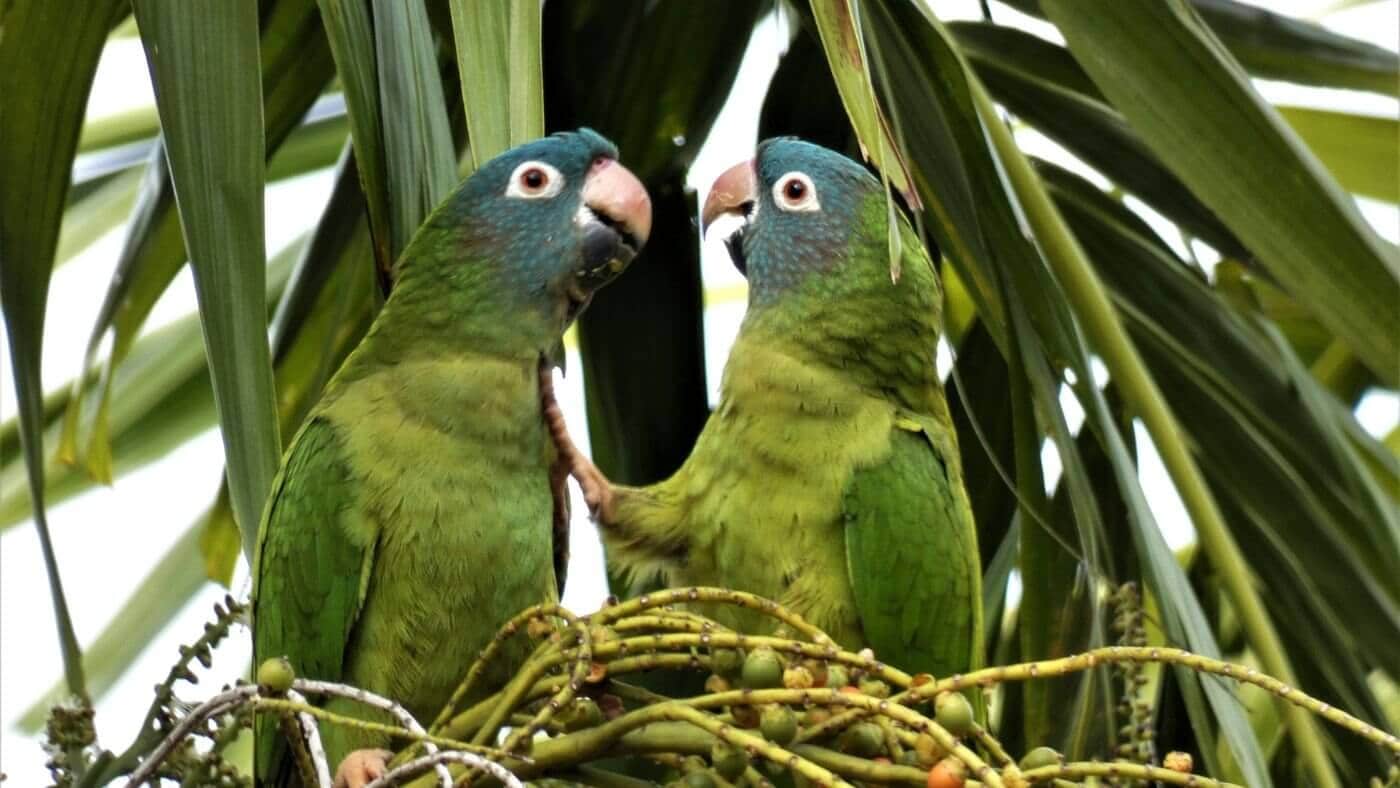
Yes, conures can talk, although their talking ability varies greatly between individuals and species. Some conures develop a small but charming vocabulary, while others may only mimic a few sounds or phrases throughout their lives.
When discussing conure talking, it is important to set realistic expectations. Conures are not generally considered elite talkers like African Greys or Amazon parrots. Their strength lies more in their social personalities, emotional intelligence, and playful interaction rather than advanced speech clarity.
Several factors influence whether a conure will talk, including species type, age, early socialisation, daily interaction with humans, training consistency, personality, confidence, and environmental stimulation.
Some conures become enthusiastic mimics because they enjoy the attention and bonding that comes from vocal interaction. Others may prefer whistles, sounds, and flock calls over human speech.
How Well Do Conures Talk Compared to Other Parrots?
On the parrot talking spectrum, conures sit somewhere in the middle. They are usually more capable talkers than cockatiels and many lovebirds, but they generally do not match the speech clarity or vocabulary size of African Greys, Eclectus parrots, or budgies.
Surprisingly, budgies often outperform larger parrots in speech development. Many budgies learn a wide range of words with excellent clarity. African Greys are widely considered among the best talking parrots due to their advanced cognitive abilities and remarkable pronunciation.
Conures, by comparison, tend to develop smaller vocabularies with less precise pronunciation. However, many owners still adore conure talking because of the bird's expressive tone, enthusiasm, and emotional connection during speech.
A conure saying "hello" excitedly when you enter the room may feel far more personal and rewarding than a larger parrot with a huge vocabulary but a more reserved personality.
Typical Vocabulary Size and Clarity
Most talking conures learn anywhere from a handful of words to around 20 or 30 phrases, although exceptional birds may exceed this. Vocabulary size depends heavily on repetition, consistency, and the bird's individual motivation.
Speech clarity varies significantly. Conures often have raspy or higher-pitched voices, which can make words sound less distinct than species known for very clear speech. Owners sometimes understand their own bird perfectly while visitors struggle to recognise the words being spoken.
Common phrases conures often learn include "hello", "good bird", their own name, household sounds, whistles, laughter, and short greetings.
Some birds become excellent sound mimics, copying microwave beeps, phone notifications, or other pets in the home.
Which Conure Species Are the Best Talkers?
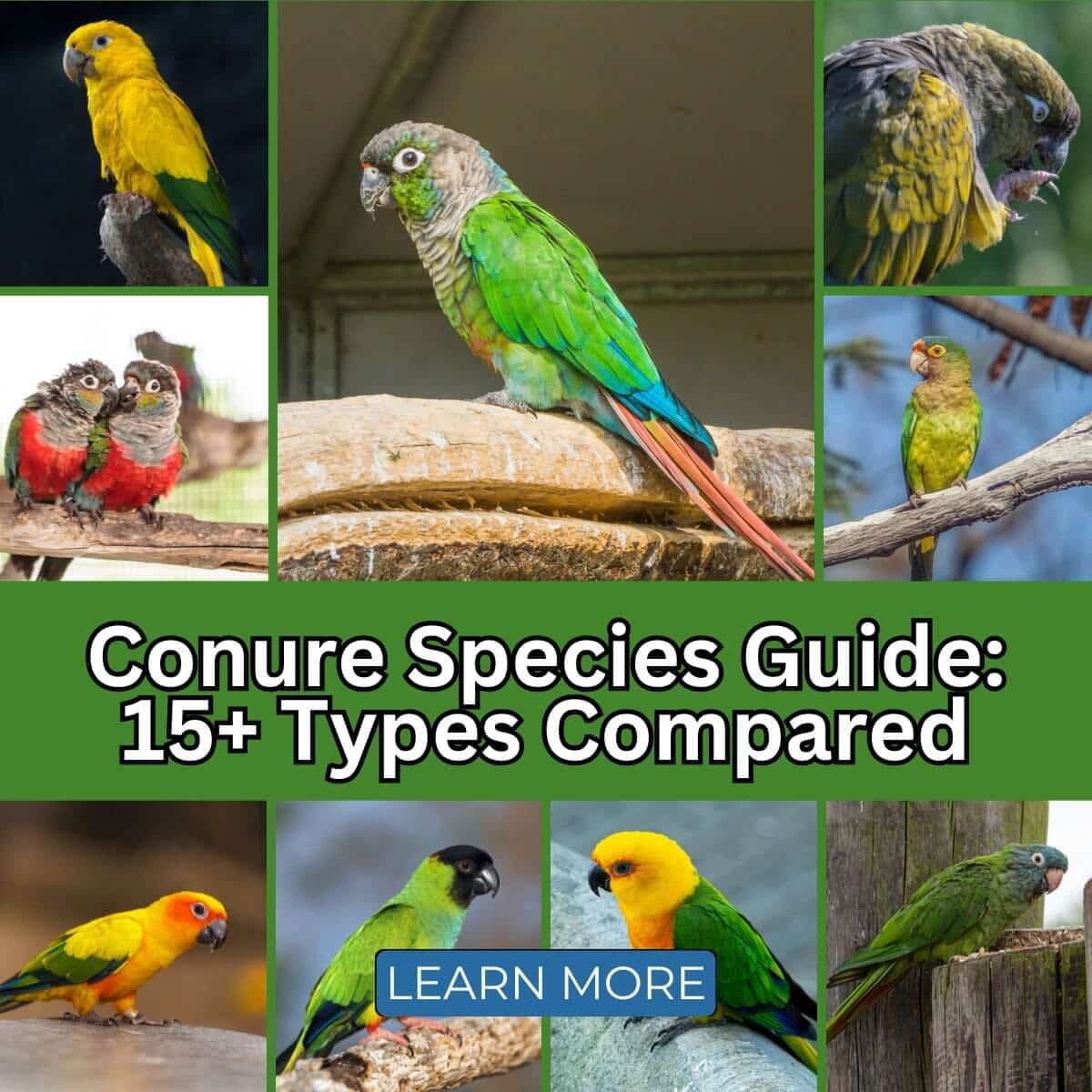
Not all conures have equal talking potential. Some species are noticeably stronger mimics than others, and choosing the right species can make a significant difference if speech matters to you.
Green Cheek Conures
Green Cheek Conures are among the most popular pet conures, partly because they tend to be quieter than many larger conure species. Their talking ability is moderate, but some individuals develop impressive vocabularies for their size.
Their voices are usually softer and less piercing than Sun Conures, making them more suitable for flats or quieter households. While their speech may not always be perfectly clear, many Green Cheeks learn short phrases and enjoy interactive communication with their owners.
Their affectionate and playful nature often matters more to owners than the size of their vocabulary.
Sun Conures
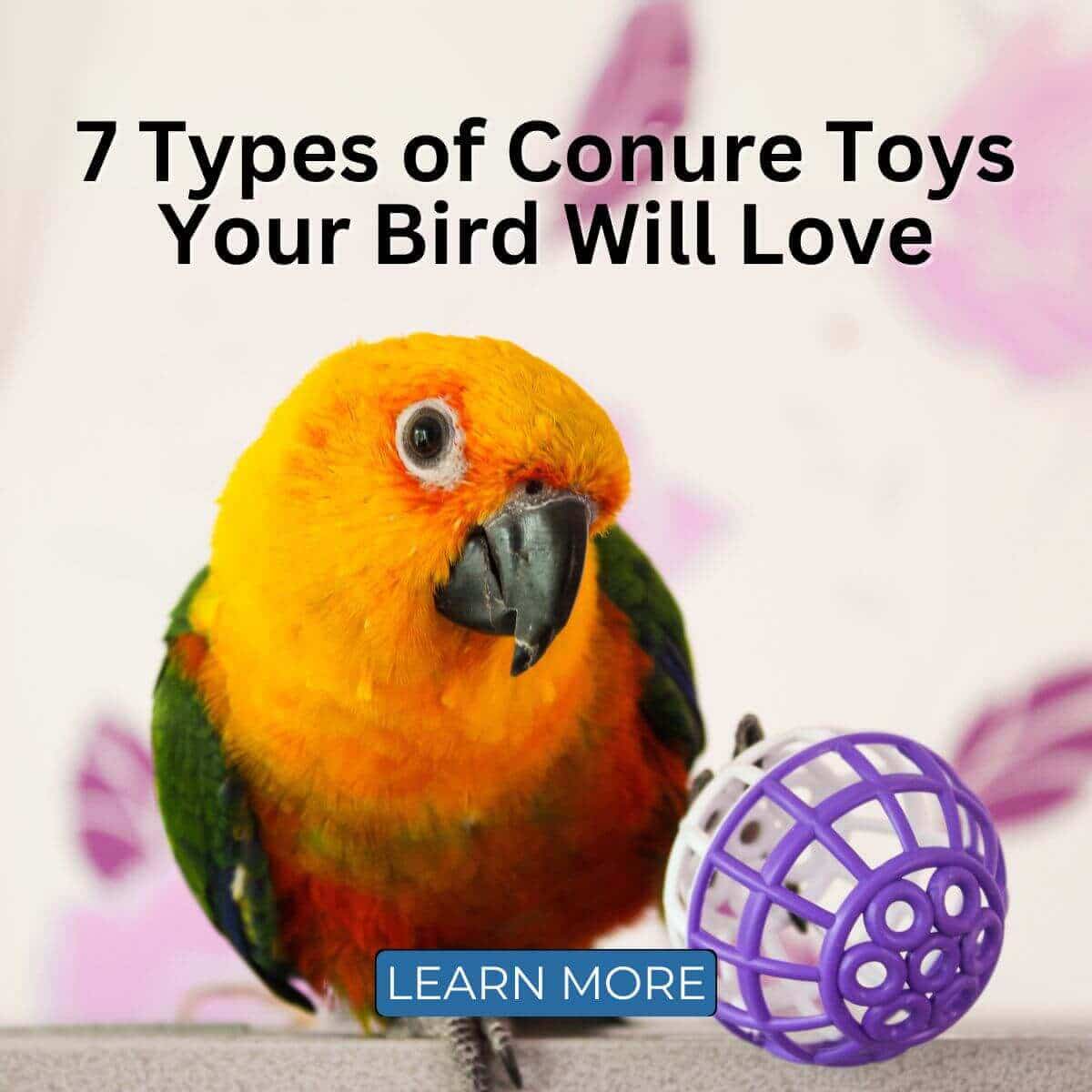
Sun Conures are famous for their stunning colours and energetic personalities, but they are not usually considered strong talkers. Most Sun Conures learn only a limited number of words or phrases.
What they lack in speech ability, they make up for in volume.
Sun Conures are among the loudest conure species and can produce extremely powerful screams that travel through walls and neighbouring rooms. Many new owners underestimate just how loud these birds can become, especially during morning and evening contact calls.
If your main priority is speech, a Sun Conure may not be the best choice. If you love vibrant, highly social parrots and can tolerate noise, they can still make wonderful companions.
Blue-Crowned and Mitred Conures
Blue-Crowned and Mitred Conures are often regarded as the strongest talkers within the conure family.
These larger conures can develop broader vocabularies and clearer pronunciation compared to smaller species. Some individuals become surprisingly skilled mimics with understandable speech and expressive communication styles.
However, they are also louder birds overall and require significant social interaction and mental stimulation to remain emotionally balanced.
How Loud Are Conures? Understanding Their Noise Levels
Conures are naturally vocal parrots. Even quieter species still produce regular calls, chirps, squeaks, and bursts of excitement throughout the day.
Depending on the species, some conures can reach noise levels between 90 and 120 decibels during intense screaming episodes. That places certain calls close to the volume of a motorcycle or power tool.
Daily life with a conure often includes morning flock calls, excited greeting screams, attention-seeking vocalisations, chirping during play, loud reactions to outdoor activity, and evening contact calls.
This does not necessarily mean conures scream constantly. Many well-socialised birds are relatively manageable most of the day, especially when mentally stimulated and emotionally secure.
Conure Contact Calls and Flock Screaming
One of the most misunderstood aspects of conure ownership is flock calling. In the wild, parrots constantly communicate with their flock to maintain contact and ensure safety. Your conure sees you as part of its flock.
This means your bird may call loudly when you leave the room, it hears you speaking elsewhere, it becomes startled, it feels lonely, or it wants attention.
These contact calls are instinctive, not bad behaviour.
Morning and sunset are usually the loudest periods because parrots naturally vocalise during these times in the wild. Understanding this instinct helps owners respond more appropriately instead of unintentionally reinforcing excessive screaming.
Noise Level Comparison: Conures vs. Other Parrots
Compared to other parrots, conures often fall into the medium-to-high noise category.
| Parrot Species | Typical Noise Level |
| Budgies | Low |
| Cockatiels | Low to Medium |
| Green Cheek Conures | Medium |
| Sun Conures | Very High |
| African Greys | Medium |
| Amazons | High |
| Macaws | Extremely High |
Macaws generally produce deeper, more booming calls, while conure screams tend to be sharper and more piercing. This sharper pitch can sometimes feel louder indoors even if the actual decibel level is lower.
If you live in a flat, have close neighbours, or work night shifts, noise tolerance should be one of your biggest considerations before choosing a conure.
FAQs
Can conures really talk?
Yes, many conures can learn words and short phrases, although their talking ability varies between species and individual birds. Some develop surprisingly good vocabularies with regular training and interaction.
Which conure species talks the best?
Blue-Crowned and Mitred Conures are generally considered the strongest talkers among conures. Green Cheek Conures can also learn words well, although their voices are usually softer and less clear.
Are conures louder than cockatiels?
Yes, most conures are significantly louder than cockatiels. Species like Sun Conures are known for their very loud, piercing calls, especially during morning and evening flock calling periods.
Can you train a conure to be quieter?
You cannot completely stop natural vocalisations, but you can reduce excessive screaming through enrichment, routine, training, social interaction, and avoiding reinforcement of attention-seeking behaviour.
Are Green Cheek Conures quieter than Sun Conures?
Yes, Green Cheek Conures are generally much quieter than Sun Conures. They are often considered a better choice for flats or homes with close neighbours.