Natural Toys for Parrots: Top Picks by Species
Natural Toys for Parrots: Top Picks by Species
Parrots are intelligent, active birds that spend much of their day chewing, climbing, shredding and searching for food. Providing the right toys is not just about entertainment. It is an important part of supporting your bird's physical and emotional wellbeing. Choosing natural toys for parrots allows you to encourage these instincts in a safe and rewarding way.
From tiny budgies to powerful macaws, every species has different needs. Understanding which materials and toy styles suit your bird can help prevent boredom and create a more enriching environment.
Why Natural Toys Matter for Parrots
In the wild, parrots spend hours interacting with branches, bark, seed pods, leaves and other natural materials. Their environment constantly challenges them both physically and mentally.
Companion parrots rely on you to provide similar opportunities. Without suitable enrichment, many birds can become bored or frustrated, which may contribute to excessive screaming, feather-destructive behaviour and other unwanted habits.
Natural toys for parrots provide healthy outlets for chewing and exploration while helping your bird stay active and engaged. Unlike some synthetic alternatives, natural materials are designed to mimic the textures and experiences parrots encounter in nature.
What Makes a Toy 'Natural'?
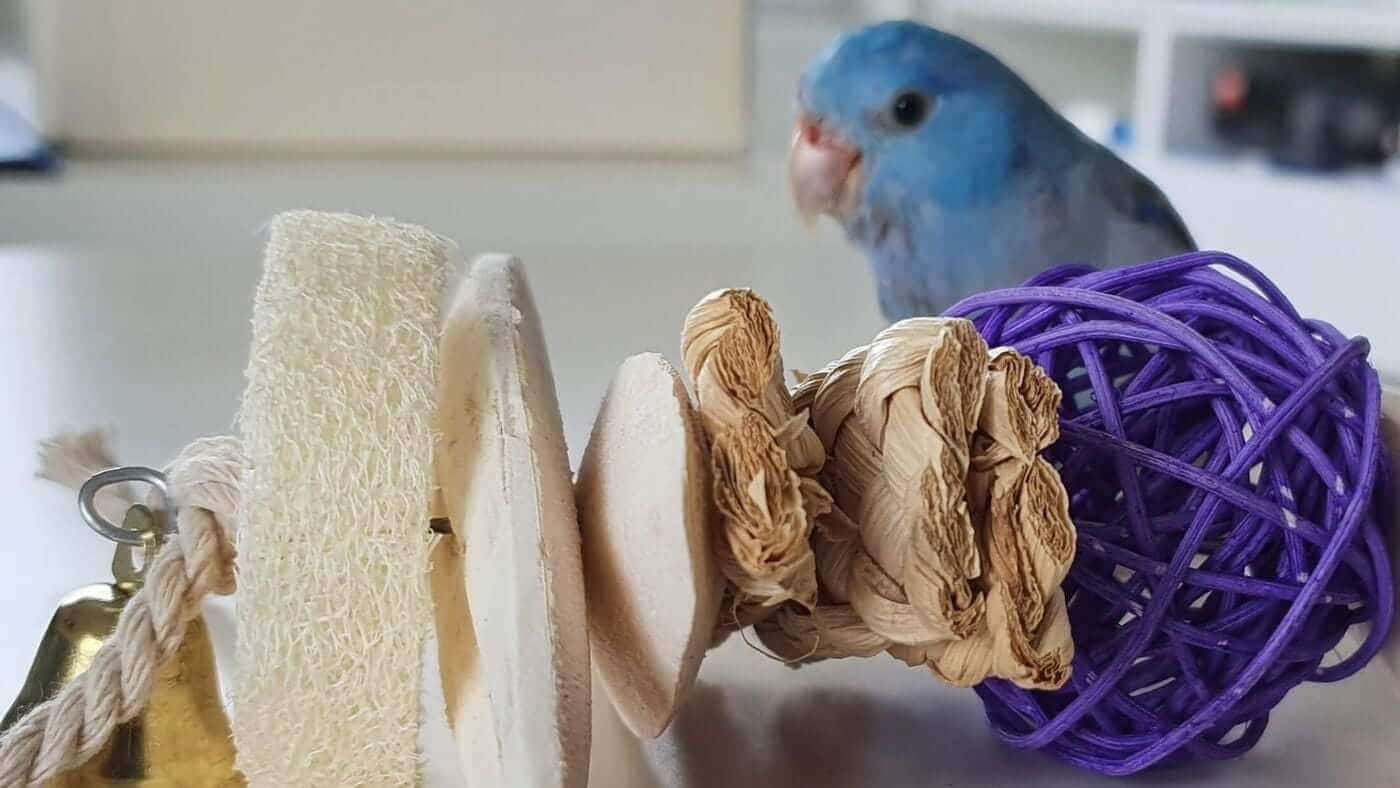
Not every toy marketed for birds is truly natural. A natural parrot toy is typically made from bird-safe materials that closely resemble what parrots would encounter in their native habitats.
Common materials include:
- Natural wood
- Palm leaf
- Sisal rope
- Seagrass
- Cork bark
- Coconut shell
- Bamboo
- Vine balls
- Paper and cardboard
- Vegetable-tanned leather
These materials provide different textures and chewing experiences while encouraging natural behaviours.
Many birds enjoy destroying toys, and that is perfectly normal. A toy that gets shredded is usually a sign that your parrot is using it exactly as intended.
Key Benefits: Enrichment, Chewing and Foraging
Natural toys for parrots do much more than fill empty space in the cage. They support daily enrichment, help satisfy chewing instincts and encourage your bird to stay active.
Chewing is a normal and healthy behaviour. Safe wood, cork, palm leaf and other shreddable materials give your parrot an appropriate outlet while helping to keep the beak busy.
Foraging toys are especially valuable because they encourage birds to work for treats and food rewards. This recreates natural feeding behaviour and helps reduce boredom. When your parrot has to explore, investigate and solve simple challenges, their day becomes much more interesting.
Climbing, hanging and manipulating toys also promote physical activity. This is especially important for companion parrots that may not have the same level of movement as wild birds.
Best Natural Toys by Parrot Species
Every species has unique preferences. Size, beak strength and personality all influence which toys will provide the most enjoyment.
A budgie will not need the same type of toy as a macaw, and a cockatoo will often destroy delicate toys much faster than a cockatiel. Choosing by species helps you find safer, more suitable enrichment that matches your bird's size and play style.
Small Parrots: Budgies, Parrotlets and Lovebirds
Small parrots may have tiny beaks, but they are incredibly active and curious. They usually enjoy lightweight toys that are easy to grip, climb on and shred.
Good natural toy choices for small parrots include:
- Vine balls filled with paper
- Palm leaf shredders
- Small seagrass mats
- Cork pieces
- Balsa wood blocks
- Mini foraging toys
- Paper and cardboard chew toys
Budgies and lovebirds often enjoy toys that can be destroyed quickly. This is not a waste. It means the toy is giving them something satisfying and natural to do.
Rotating several toys throughout the week can help maintain interest and prevent your bird from becoming bored with the same set-up.
Medium Parrots: Cockatiels, Conures and Caiques
Medium-sized parrots are playful, curious and often very active. They usually appreciate a variety of textures and activities, especially toys that allow them to shred, climb and investigate.
Suitable natural toys include:
- Yucca wood toys
- Coconut shell toys
- Seagrass swings
- Shredding bundles
- Wooden ladders
- Palm leaf toys
- Rope climbing toys
- Small foraging boxes
Conures and caiques are especially energetic and often enjoy toys that involve hanging, climbing and movement. Cockatiels may prefer softer shredding materials, lighter wooden pieces and simple foraging opportunities.
Offering different textures can help keep these intelligent birds interested and encourage healthier daily activity.
Large Parrots: African Greys, Amazons and Cockatoos
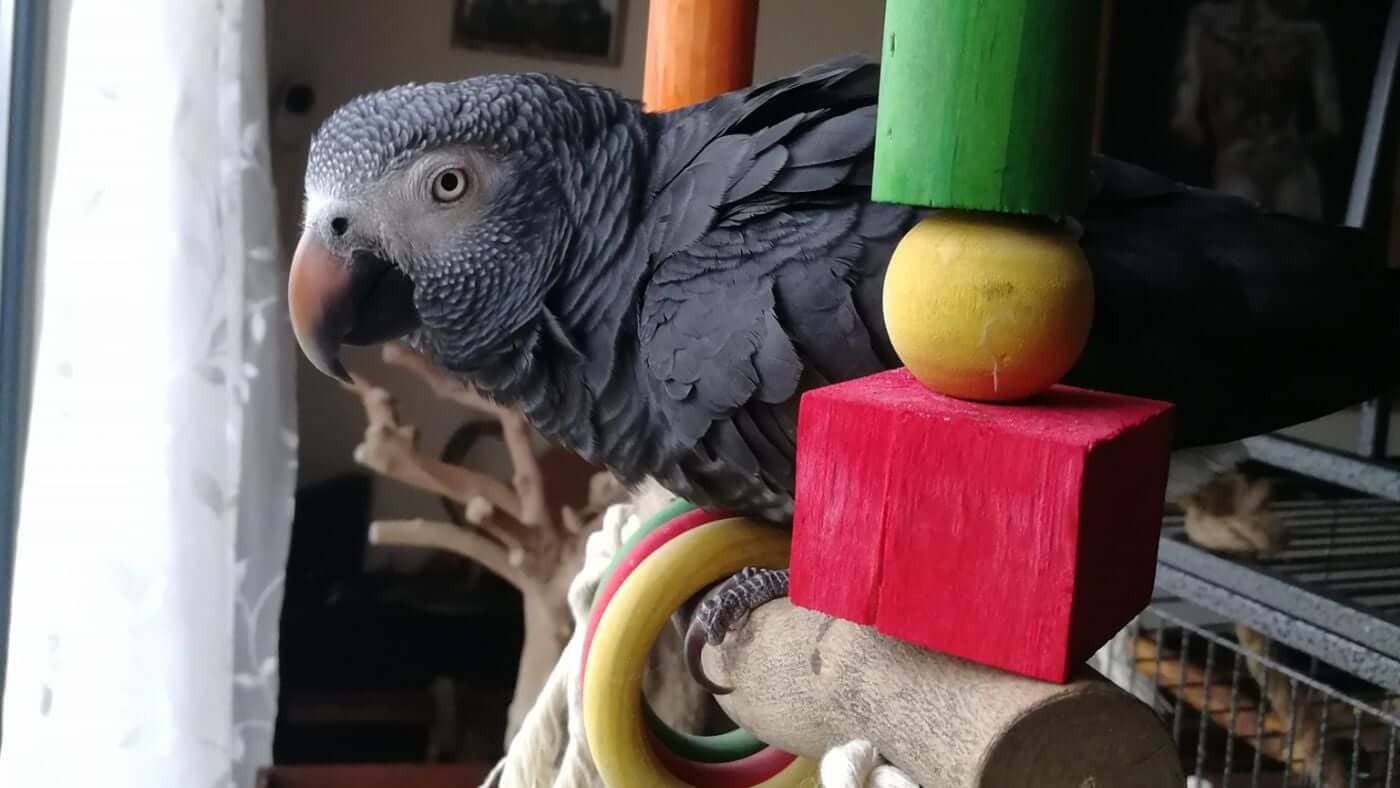
Larger parrots have stronger beaks and need more durable toys. They also benefit from toys that challenge their minds as well as their bodies.
Natural toys for parrots in this category should provide both chewing opportunities and mental stimulation.
Excellent options include:
- Hardwood block toys
- Cork bark pieces
- Large seagrass mats
- Foraging baskets
- Coconut cups
- Thick rope toys
- Puzzle and treat-dispensing toys
- Chunky wood chew toys
African Greys particularly benefit from toys that encourage problem-solving. Amazons often enjoy toys that combine chewing with movement and food rewards. Cockatoos are enthusiastic shredders and usually need plenty of safe materials they can pull apart.
Regular rotation helps prevent boredom and encourages continued engagement.
Extra-Large Parrots: Macaws
Macaws possess some of the strongest beaks in the parrot world. Their toys need to be substantial enough to withstand powerful chewing and large enough to be handled safely.
Recommended choices include:
- Heavy-duty hardwood toys
- Thick cotton or sisal rope
- Large palm leaf creations
- Giant wooden blocks
- Coconut shell foraging toys
- Hanging climbing structures
- Large natural ladders
- Complex foraging stations
Macaws enjoy challenging toys and often thrive when food rewards are hidden within their enrichment items. Large foraging toys can help slow down feeding, encourage problem-solving and provide a more natural daily routine.
Providing robust materials helps satisfy their powerful chewing instincts and prevents toys from being destroyed too quickly.
Safety Tips When Choosing Natural Parrot Toys
There is no 100% safe toy. Supervise your bird when introducing a new toy. Parrots are curious companions and sometimes they can interact with toys in an unsafe manner.
Important safety points include:
- Choose bird-safe woods and avoid unknown or untreated branches unless you are certain they are safe.
- Check for small parts that could be swallowed or trapped in the beak.
- Avoid toys with sharp edges, unsafe metals or weak clips.
- Look for natural or bird-safe dyes rather than harsh colouring.
- Inspect ropes regularly and remove any toy that becomes heavily frayed.
- Match the toy size to your bird so it is neither too small nor too difficult to use.
Natural toys are designed to be chewed, shredded and explored, so some wear is expected. However, damaged toys should be removed before they become unsafe.
Shop Natural Toys for Your Parrot Species
Choosing the right enrichment does not need to be complicated. Shopping by species can make finding suitable options much easier.
Whether you share your home with a budgie, conure, African Grey or macaw, selecting natural toys for parrots that match their size, personality and chewing ability can make a huge difference to their happiness and wellbeing.
At Parrot Essentials, you will find species-specific toy collections designed to help you discover safe, engaging and enriching products for your bird. From shreddable palm toys for lovebirds to heavy-duty wooden creations for macaws, there are options to suit every beak and every play style.
By providing a variety of natural toys for parrots, you are not only giving your bird something fun to do. You are supporting the behaviours that help parrots thrive, both physically and mentally.
FAQs
What are the best natural toys for parrots?
The best natural toys for parrots are made from bird-safe materials such as wood, palm leaf, cork, seagrass and natural rope. The ideal toy depends on your parrot's species, size and chewing strength.
Why are natural toys better for parrots?
Natural toys help satisfy a parrot's instinct to chew, shred and forage. They provide mental stimulation and mimic many of the textures and materials parrots would encounter in the wild.
How many toys should a parrot have?
Most parrots benefit from having at least four to six toys available at one time. Rotating toys regularly helps maintain interest and prevents boredom.
How often should I replace parrot toys?
Replace toys when they become heavily damaged or unsafe. Shredding and chewing are normal, so regular inspection and rotation are important.
Can parrots have toys made from rope?
Yes, parrots can enjoy rope toys made from bird-safe materials such as sisal or untreated cotton. Inspect them regularly for fraying and replace them if they become worn.