Small Pet Birds That Talk: Top Chatty Companions
The best small pet birds that talk include budgies, cockatiels, parrotlets and lovebirds, with budgies generally offering the greatest potential for learning words and developing a large vocabulary.
If you are looking for small pet birds that talk, you might be surprised by just how much personality and vocal ability can come from such a small companion. Some species can build remarkable vocabularies, while others prefer whistles, short phrases and familiar household sounds, giving you plenty of opportunities for interaction without needing the space required for a larger parrot.
Choosing between the different small pet birds that talk is not simply about finding the species that can learn the most words. Personality, noise levels, social needs and the amount of interaction you can provide are just as important. Here are some of the best small talking birds to consider and what you can realistically expect from each one.
Why Choose a Small Pet Bird That Talks?
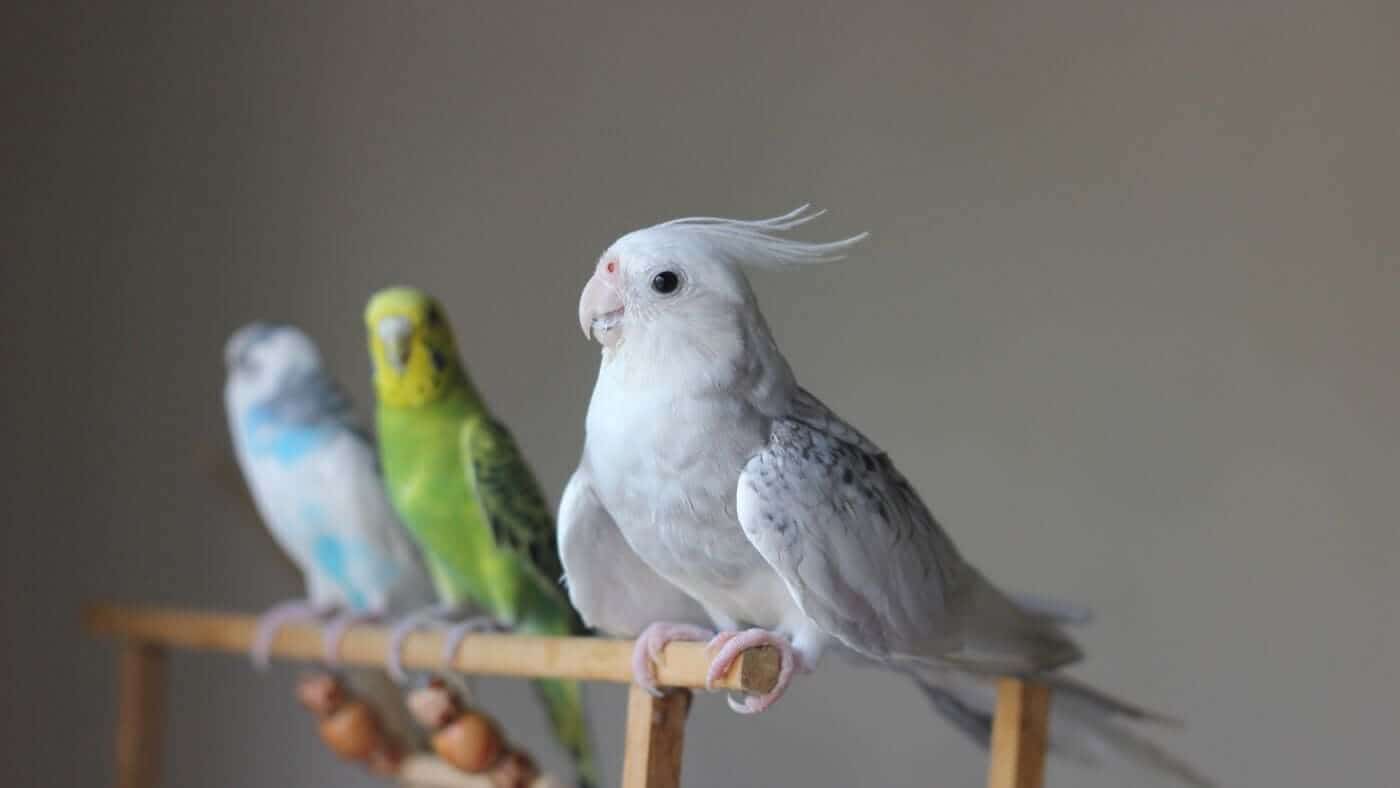
Small talking birds can bring much of the personality and interaction associated with larger parrots while being better suited to homes where space is limited.
Their ability to mimic words and sounds can also make everyday interaction particularly rewarding. A bird might learn its name, copy a phrase you regularly use or surprise you by repeating something it has heard around the house.
However, talking should always be considered a bonus rather than a guarantee. Every bird is an individual. Even species known for excellent speech may produce an occasional bird that simply prefers chirping, whistling or communicating in other ways.
Top Small Pet Birds That Talk
If talking ability is high on your wish list, these four popular species are worth considering:
- Budgies: Usually the strongest talkers, with the potential for surprisingly large vocabularies.
- Cockatiels: Excellent whistlers that can also learn words and short phrases.
- Parrotlets: Bold little parrots capable of learning words with regular interaction.
- Lovebirds: Less reliable talkers, but some individuals can learn a small number of words and sounds.
Understanding the differences will help you choose a bird for its overall personality rather than speech ability alone.
Budgies: Big Vocabulary in a Tiny Package
With patient training, some budgies develop extensive vocabularies containing dozens or even hundreds of words and phrases. They are naturally social and attentive, which can make them receptive to repeated sounds from people they trust.
Short, enthusiastic training sessions tend to work best. Start with easy words such as the bird's name, "hello" or "good bird", repeating them naturally during everyday interactions.
Budgies are also relatively small and adaptable, making them a popular choice for first-time bird owners. Just remember that their small size does not mean they require less enrichment, companionship or daily attention.
Cockatiels: Whistlers and Word Learners
Cockatiels are better known for their impressive whistles than their vocabulary. Many readily learn tunes, household sounds and distinctive whistles, while some also pick up a handful of recognisable words or short phrases.
Male cockatiels are generally considered more inclined towards vocal mimicry, although individual personality makes a significant difference.
If your idea of a chatty bird includes whistles, calls and plenty of vocal interaction rather than long conversations, a cockatiel could be an excellent companion. Their expressive crests and sociable personalities also make communication about much more than words.
Parrotlets: Small but Surprisingly Chatty
Do not let their tiny size fool you. Parrotlets pack a considerable amount of parrot personality into a very small body.
Some parrotlets learn words and short phrases, particularly when they receive plenty of consistent one-to-one interaction. Their speech is generally not as extensive as that of a talented budgie, but their confidence and curiosity can make training enjoyable.
Keep sessions short and positive. Repeating the same word during a familiar activity can help create an association. For example, saying "hello" whenever you approach the cage gives the word a clear and predictable context.
Parrotlets can also be surprisingly assertive, so good socialisation and appropriate boundaries are important alongside speech training.
Lovebirds: Can They Really Talk?
Lovebirds can learn to mimic human speech, but they are not usually considered strong talkers. Some individuals learn a few words or sounds, while others may never show much interest in speech at all.
What lovebirds may lack in vocabulary, they often make up for with personality. They are active, intelligent and highly social birds that can form strong bonds.
If talking is your number one priority, a budgie is generally a more suitable choice. If you are looking for an energetic little parrot with plenty of character and consider talking an occasional bonus, a lovebird may still be a wonderful companion.
How to Encourage Small Pet Birds That Talk
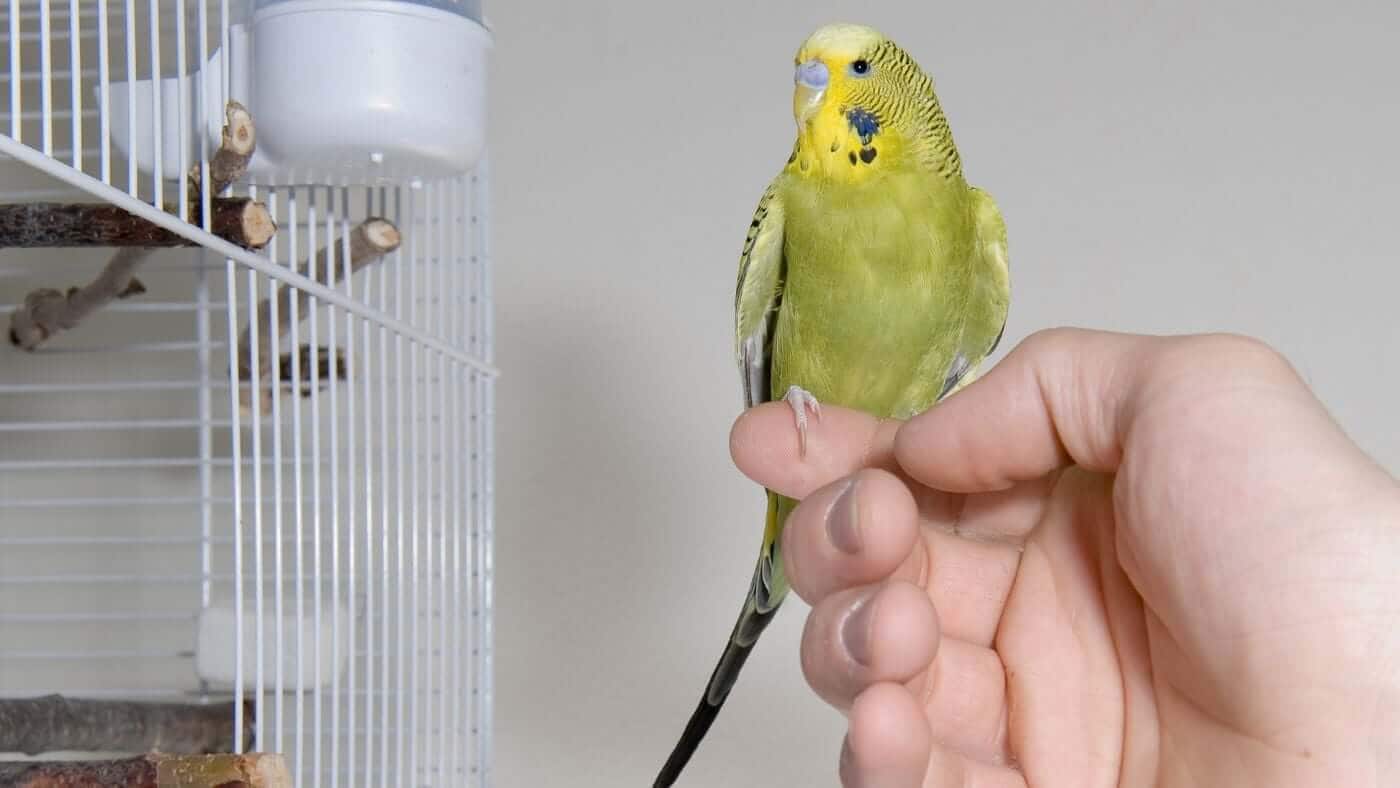
No training method can guarantee that your bird will speak, but you can create an environment that encourages vocal learning.
- Build trust first. A relaxed bird that enjoys interacting with you is more likely to pay attention and engage.
- Choose simple words. Begin with short, distinctive words or phrases that you can repeat consistently.
- Use words in context. Say "hello" when entering the room, for example, or "goodnight" when covering the cage. This can make sounds more meaningful and memorable.
- Keep sessions short. A few minutes of focused interaction is often more productive than a long training session.
- Use enthusiasm and praise. Respond positively when your bird attempts a new sound, even if the pronunciation is not perfect.
- Be patient. Some birds begin mimicking relatively quickly, while others may take weeks or months. Avoid turning speech practice into pressure.
Most importantly, continue talking to your bird naturally throughout the day. Regular interaction can be more valuable than formal training alone.
What You'll Need to Keep a Talking Bird Happy
Learning to talk is only one form of mental stimulation. A happy companion bird needs opportunities to climb, chew, forage, explore and play every day.
Provide a suitably sized bird cage with enough room for natural movement, alongside a selection of comfortable parrot perches with different diameters and textures. Toys should encourage a range of behaviours rather than simply filling cage space.
Foraging toys can be particularly useful because they encourage your bird to investigate and problem-solve. Chewable and shreddable parrot toys provide another healthy outlet, while swings, climbing toys and interactive accessories can add variety.
Rotate enrichment rather than introducing everything at once. Bringing back a familiar toy after a few weeks can make it interesting again and helps prevent the environment from becoming predictable.
Remember that toys cannot replace social interaction. If you want a confident, engaged and potentially talkative bird, spending quality time together should remain part of the daily routine.
Final Thoughts: Which Small Talking Bird Is Right for You?
When comparing small pet birds that talk, budgies are difficult to beat for vocabulary and are an excellent starting point if speech is particularly important to you. Cockatiels are ideal if you enjoy whistles and vocal interaction, while parrotlets combine a tiny size with a bold personality and some promising talking ability. Lovebirds are less dependable speakers but can still be engaging and affectionate companions.
Whichever species you choose, avoid selecting a bird purely because you expect it to talk. Personality, lifespan, daily care, noise, enrichment and social requirements all deserve consideration.
The best small pet birds that talk are ultimately the ones whose needs fit comfortably into your lifestyle. Give your bird patience, enrichment and plenty of positive interaction, and whether you hear a perfectly timed "hello" or simply an enthusiastic whistle when you enter the room, you will have plenty of opportunities to communicate.
For more advice on parrot care, training, enrichment and choosing the right supplies for your bird, visit the Parrot Essentials Blog.
FAQs
What are the best small pet birds that talk?
Budgies are generally considered some of the best small pet birds that talk because they can develop surprisingly large vocabularies. Cockatiels and parrotlets may also learn words and phrases, although their abilities vary between individual birds.
How many words can a budgie learn?
Some budgies can learn dozens or even hundreds of words and phrases. However, every budgie is different, and there is no guarantee that an individual bird will learn to speak.
Can cockatiels learn to talk?
Yes, some cockatiels can learn words and short phrases. However, cockatiels are generally better known for whistling, copying tunes and mimicking familiar household sounds.
Can parrotlets talk?
Yes, some parrotlets can learn words and short phrases. Their vocabulary is usually more limited than that of a talented budgie, but regular interaction and repetition can encourage vocal learning.
Can lovebirds learn to talk?
Lovebirds can sometimes learn a few words or sounds, but they are not generally considered strong talking birds. Their social, playful personalities are usually a much bigger part of their appeal.
Do male or female birds talk more?
This depends on the species and individual bird. Male budgies and cockatiels are often considered more likely to mimic speech and sounds, but females can also learn to talk.