
Healthy Pet Care Starts With Feeding: How to Build Better Habits Across Pets
When you have more than one pet at home, feeding can quickly turn into a daily puzzle. One pet eats too fast, another grazes all day, someone steals food, and suddenly portions change from day to day without you even noticing. The good news is you do not need a complicated system. Healthy pet care starts with feeding routines that are clear, consistent, and fair for every pet in the house. In this guide, you will learn practical ways to build better feeding habits across pets without stress, confusion, or constant begging.
Why Multi-Pet Feeding Gets Messy
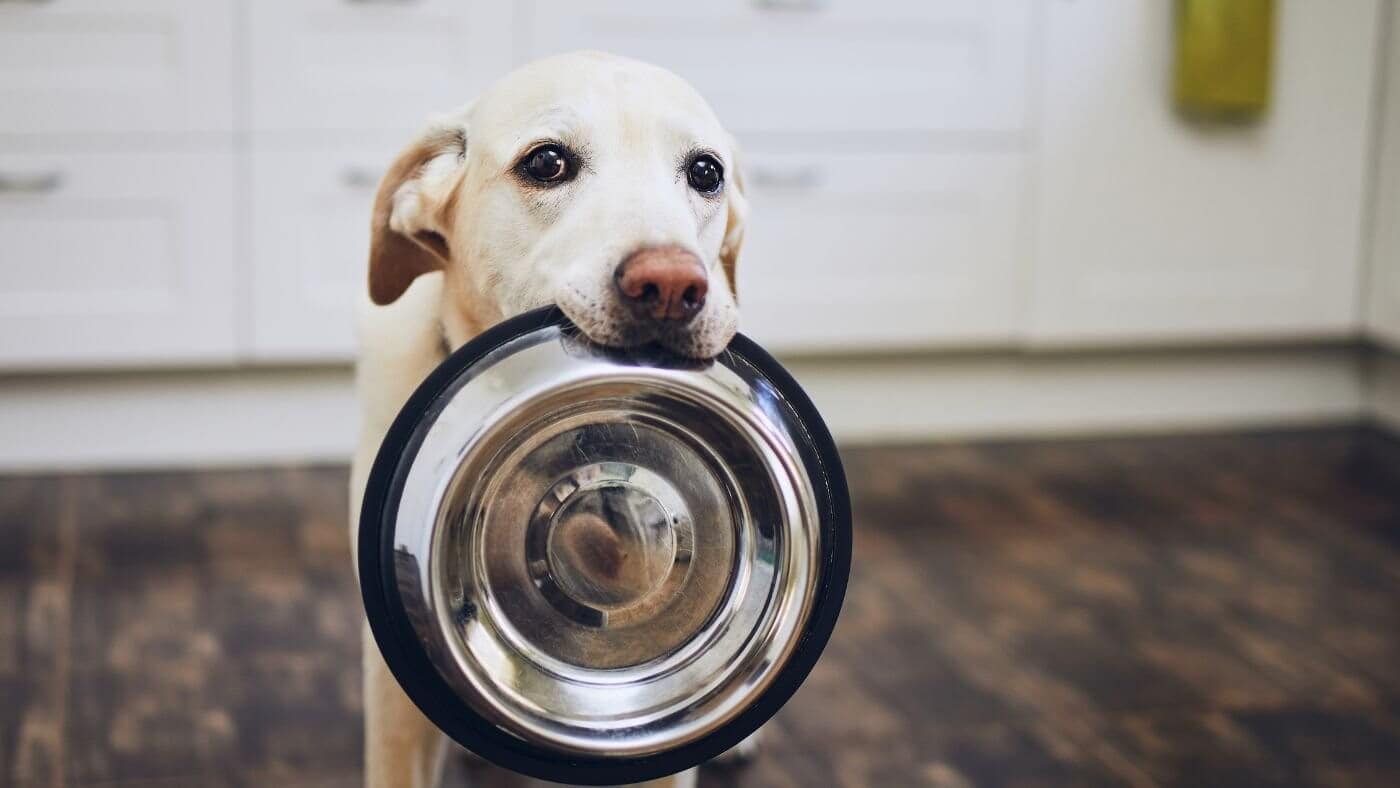
Most feeding problems in multi-pet homes come from good intentions. You want everyone to feel included, you do not want to say no, and it is easier to top up a bowl than to manage set meals. But common habits create common problems:
- Free-feeding that becomes constant snacking
- Pets learning that begging gets results
- One pet eating someone else’s food
- Portion sizes changing day to day
- Treats becoming a second diet
Fixing this is not about being strict. It is about making feeding predictable, so your pets feel secure, and you stay in control. This is one of the simplest forms of healthy pet care you can practise at home.
The One Rule That Improves Everything
If you only do one thing, do this:
Feed each pet in a specific place, at consistent times, with measured portions.
This one change reduces stealing, supports digestion, makes weight easier to manage, and helps you spot changes in appetite earlier. It is also a powerful foundation for healthy pet care because it gives you better daily awareness of what each pet is actually eating.
Step 1: Set Up a Simple Feeding System
You do not need fancy equipment, but you do need clear boundaries.
Separate feeding stations
- Choose a spot for each pet that stays the same every day.
- Use different rooms if you can, or use baby gates, crates, or closed doors for a few minutes.
- For small pets, feed in their enclosure as normal and keep other pets out.
Set meal times (even if one pet prefers grazing)
Most pets do better with structure. Meal times do not have to be rigid, but aim for a simple pattern such as:
- Morning meal
- Evening meal
If one pet truly needs smaller, more frequent meals, you can still keep it structured. The key is that the routine is predictable, which is at the heart of healthy pet care.
Pick a "bowl up" time
In multi-pet homes, leaving food down all day is one of the fastest ways to create weight issues and food stealing. A simple rule helps:
- Put food down
- Give 15–20 minutes
- Pick bowls up
This is especially helpful if you have a fast eater and a slow eater in the same household.
Step 2: Portion Control Without Stress
Portion control is not about feeding less. It is about feeding the right amount consistently. When portions are stable, healthy pet care becomes easier because you can actually see what is working.
Measure food properly
- Use a kitchen scale if possible. It is the most accurate option.
- If you use a scoop, use the same scoop every time and keep it consistent.
- Write down the daily amount for each pet so everyone in the home feeds the same way.

Watch the hidden calories
Treats, table scraps, and "just a bit extra" add up quickly. A good rule is:
- Keep treats small
- Keep them planned
- Count them as part of the day’s food
In multi-pet homes, it is easy to accidentally double-treat because more than one person feeds them. A simple treat container for the day can help.
Step 3: Stop Food Stealing Without Turning Mealtimes Into Chaos
Food stealing is not a "bad pet" problem. It is a routine problem. The fix is usually practical, not behavioural.
- Use doors or gates: separate pets for 10–15 minutes at meals.
- Feed the slow eater first: give them a head start in a quiet space.
- Pick bowls up: do not leave leftovers for someone else to finish.
- Prevent access: keep small pet and bird food away from cats and dogs.
Cat Feeding Routine: Set Meals vs Grazing
Cats are often the most challenging in multi-pet homes because many are used to grazing. But grazing can quietly turn into constant snacking, especially for indoor cats. If you have noticed your cat begging more often, gaining weight, or searching the kitchen constantly, structure is your friend.
A simple routine that works for most cats
- Serve measured portions in the morning and evening
- Remove the bowl after 15–20 minutes
- Use puzzle feeders or slow-feeders if your cat eats too quickly
- Reduce treats and offer play instead of snacks
Helping cats feel fuller between meals
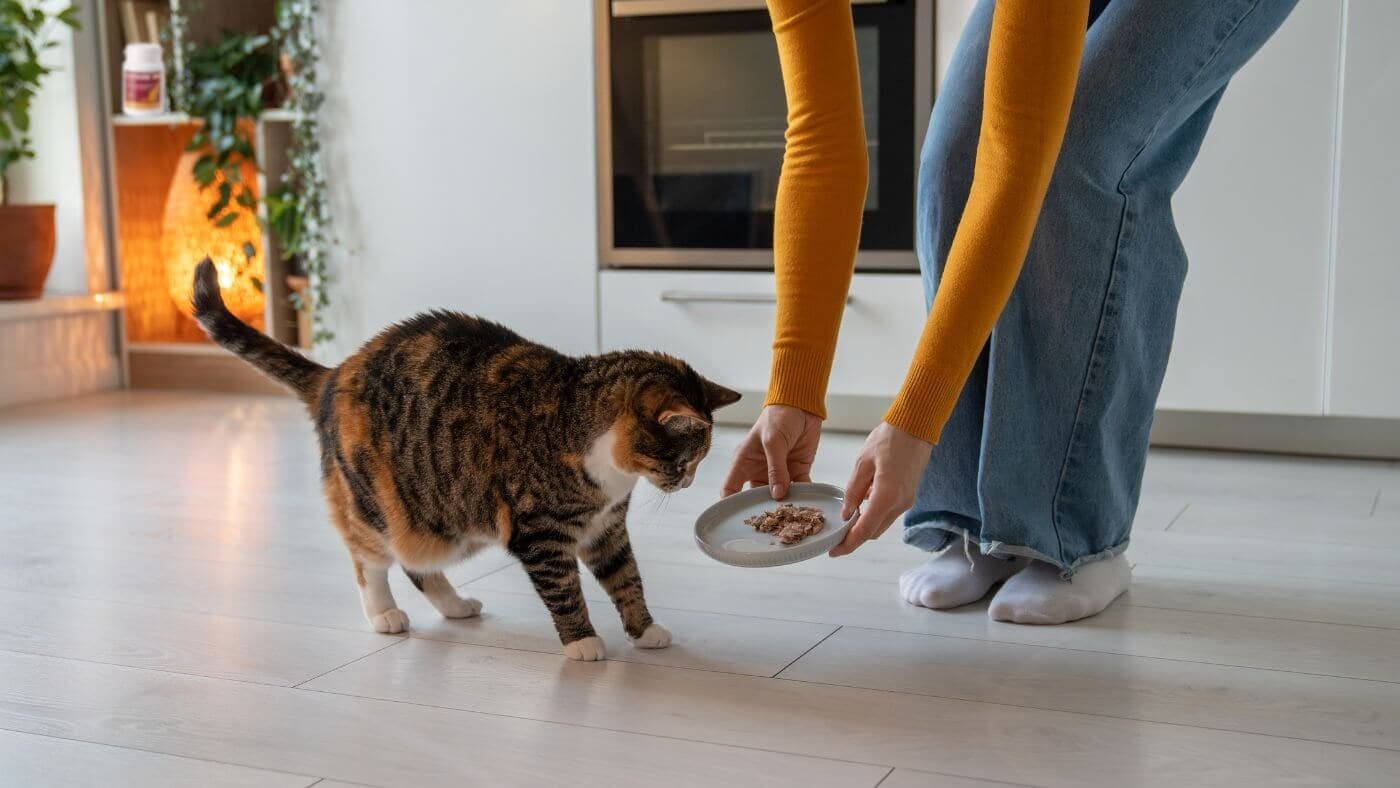
One of the hardest parts of feeding cats is the constant hunger behaviour. Some cats act hungry because it works, and some genuinely struggle to feel satisfied.
For cats that need routine support, a high-fibre supplement designed to mix into food can help promote satiety and encourage a steadier post-meal blood sugar balance. That is where Glyfeline can fit into a feeding plan. It is not a replacement for good portions or suitable food choices, but it can support consistency when you are trying to reduce snacking and keep meal sizes controlled.
Tip: If your cat is on medication or has a diagnosed condition, always check with your vet before adding any supplement.
Dog Feeding Routine: Prevent Overeating and "Second Dinners"
Dogs often learn routines quickly, and they are experts at convincing humans they have not been fed. In multi-person households, dogs are the most likely to get "second dinners" by accident.
- Measure meals and set a clear schedule
- Feed in a dedicated spot
- Use a feeding chart on the fridge so everyone knows what has been given
- Keep treats small and planned
If your dog is food-obsessed, enrichment feeding can help. Snuffle mats, slow feeders, and scatter feeding make meals last longer and reduce begging.
Small Pets: Feeding Without Risky Mixing
Rabbits, guinea pigs, and other small pets often have very specific feeding needs. The biggest problem in multi-pet homes is not the small pet diet itself. It is other pets getting access to it.
- Keep enclosures secure so cats and dogs cannot steal food
- Store pellets and treats safely
- Keep human snacks away from small pets, as their digestion is sensitive
For small pets, consistency is key. Sudden diet changes can cause digestive upset, so always transition gradually when changing food.

Birds in Multi-Pet Homes: Keep Food Safe and Stress Low
If you have birds alongside cats or dogs, feeding is also about safety. Keep bird food and treats away from other pets, and keep other pet foods away from birds.
- Feed birds in a calm area away from other pets
- Remove leftover fresh foods daily
- Do not allow cats or dogs near bird feeding stations
Bird feeding habits are sensitive to stress, so calm, predictable routines support better eating.
Step 4: Track Progress Without Overthinking It
Once your routine is consistent, tracking becomes simple and supports long-term healthy pet care across the whole home.
- Weigh pets monthly (weekly if weight management is a goal)
- Use body condition checks, not just the scale
- Watch for appetite changes
- Keep notes if more than one person feeds your pets
If you see sudden changes in weight, drinking, toileting, or energy levels, speak to a vet promptly.
Quick Checklist: Healthy Pet Care Feeding Habits
- Separate feeding stations
- Consistent meal times
- Measured portions
- Bowls picked up after meals
- Treats planned, not random
- Prevent access to other pets’ food
Conclusion
Healthy pet care starts with feeding habits you can actually maintain. With clear stations, measured portions, and consistent routines, you will reduce stealing, reduce begging, and support healthier habits across the whole home.
If you are working on healthy pet care for your cat and want a routine-friendly add-on, you can explore Glyfeline here: Glyfeline High Fibre Cat Weight Management Supplement.
FAQs
How do I stop my cat eating the dog’s food?
Feed them in separate areas and pick bowls up after 15–20 minutes. Cats quickly learn routines when food access is consistent.
Should I free-feed my cat?
Free-feeding can work for some cats, but in multi-pet homes it often leads to extra snacking, food stealing, and weight gain. Set meals are usually easier to manage.
How do I know if I am overfeeding?
If weight is creeping up over time, portions may be too high. Measure meals consistently and reassess treat intake and activity levels.
What is the best way to manage treats?
Plan them daily, keep them small, and count them as part of the day’s food. In multi-person homes, a shared treat container avoids double-feeding.
How can I support my cat feeling full?
Structured meals, appropriate food choices, enrichment feeding, and high fibre support can all help. If you want a routine-friendly add-on, Glyfeline is designed to mix into food and support satiety as part of a consistent plan.