Pet Weight Management: 10 Questions Every Owner Should Ask
Table of Contents
- Why So Many Pets Are Overweight Today
- The 10 Question Checklist
- 1. Can I Feel My Pet's Ribs Easily Without Pressing Hard?
- 2. Has My Pet's Shape Changed Gradually?
- 3. Has Activity Level Decreased?
- 4. Am I Free-Feeding Without Measuring?
- 5. How Often Am I Giving Treats?
- 6. Does My Pet Live an Indoor Lifestyle?
- 7. Have I Noticed Increased Thirst or Urination?
- 8. Has My Vet Mentioned Body Condition Score?
- 9. Does My Pet Struggle With Mobility?
- 10. Am I Managing Weight Proactively or Reactively?
- Why Pet Weight Management Matters More Than You Think
- A Supportive Approach to Pet Weight Management
- Final Thoughts: Take Action With Confidence
- FAQs
Pet weight management is no longer a niche concern. It is one of the most important health issues facing modern pets. Across cats, dogs, birds, rabbits and other small animals, obesity is rising quietly and steadily. What makes it especially worrying is that excess weight rarely looks dramatic at first. It creeps up slowly, often disguised as "a little extra fluff" or "just a sturdy build".
But here is the truth. Even a small amount of excess weight can increase the risk of diabetes, joint strain, heart disease, fatty liver problems in birds, and reduced lifespan across species.
The good news is that pet weight management does not require extreme measures. It starts with awareness. The right questions can help you identify risks early and take calm, confident action.
Before we move into the checklist, it is important to understand why this issue has become so common in recent years.
Why So Many Pets Are Overweight Today
Over the past decade, veterinary professionals have reported a steady rise in overweight and obese pets. In many practices, more than half of the pets seen during routine appointments are above their ideal body condition score. This is not due to one single cause. It reflects how modern life has changed for both owners and pets.
A More Indoor Lifestyle
More pets now live primarily indoors. Indoor cats rarely roam or hunt. Dogs may have shorter, less frequent walks due to busy schedules. Birds often spend long periods in cages with limited flight opportunities. Rabbits and guinea pigs may have restricted roaming areas.
When natural movement decreases but calorie intake stays the same or increases, weight gain follows. The body stores unused energy as fat.
Treat Culture and Overfeeding
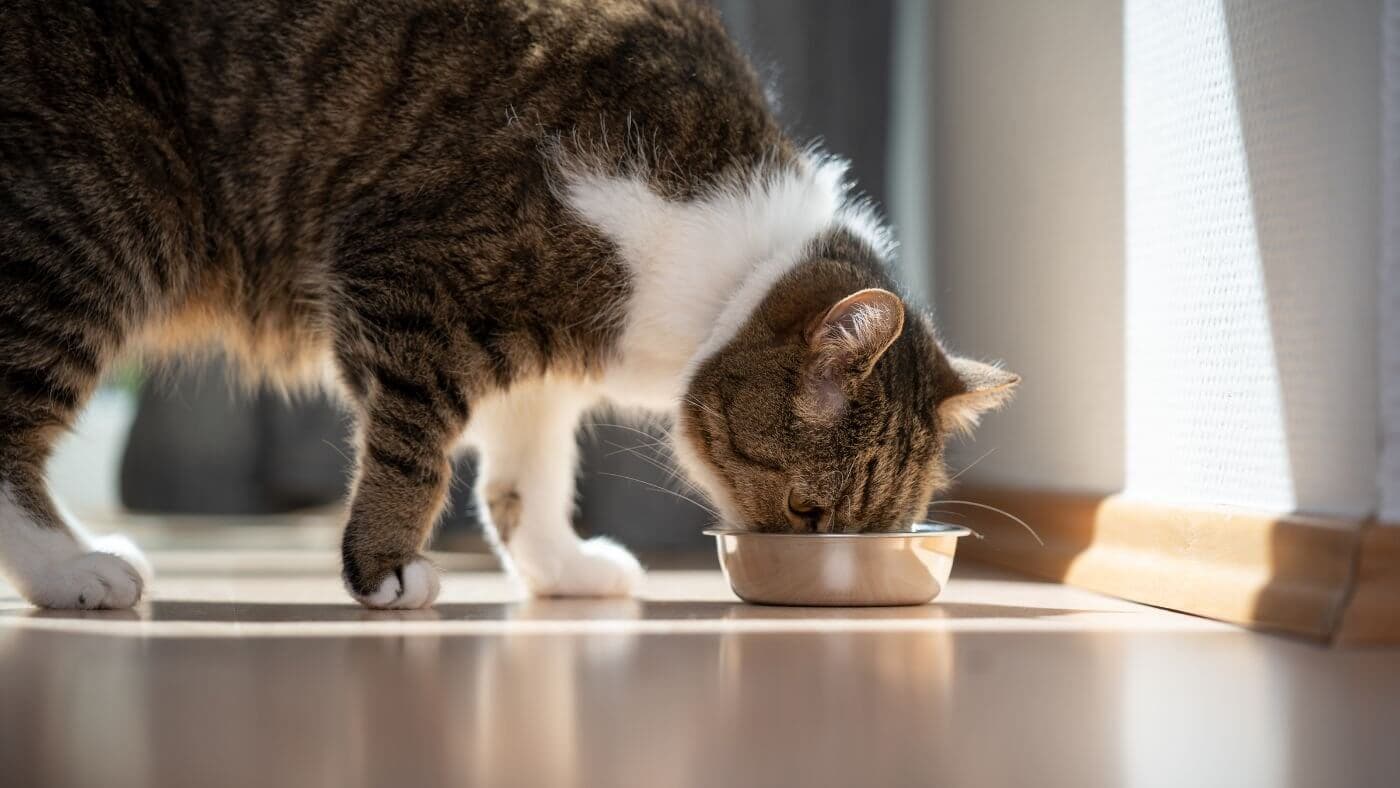
Treats have become a major part of pet ownership. They are used to reward, bond, train and comfort. While there is nothing wrong with treats in moderation, frequent high-calorie extras add up quickly.
Free-feeding, where food is left available all day, also contributes to gradual weight gain. Without measured portions, it becomes easy to underestimate how much a pet consumes. Even small daily excesses can result in noticeable weight gain over months and years.
Humanisation and Shared Food
Many owners now see pets as full family members. That bond is positive, but it sometimes leads to sharing human food or offering extra snacks out of affection. Human food is often calorie-dense and unsuitable for regular feeding.
What feels like kindness can quietly contribute to obesity and metabolic imbalance.
The Rising Risk of Diabetes
Perhaps the most concerning consequence of this trend is the increase in diabetes cases, particularly in overweight cats and dogs. Excess body fat leads to insulin resistance, which can progress to Type 2 diabetes.
While diabetes is most commonly discussed in cats and dogs, metabolic disorders can also affect birds and small mammals when excess fat disrupts normal organ function. In parrots, obesity is strongly linked with fatty liver disease, which can be life-threatening if left unmanaged.
Understanding this wider context reinforces why pet weight management is so important today.
The 10 Question Checklist
1. Can I Feel My Pet's Ribs Easily Without Pressing Hard?
This is one of the simplest at-home checks.
For dogs and cats, you should be able to feel the ribs under a light layer of fat, without pressing deeply. For birds, the breastbone should be felt with muscle on either side, not buried under heavy fat. For rabbits and small animals, you should be able to feel structure without excessive padding.
If you have to dig to find bone structure, weight gain may already be present.
2. Has My Pet's Shape Changed Gradually?
Weight gain is often subtle. Ask yourself:
- Does your pet have a visible waist when viewed from above?
- Has their belly begun to sag?
- Has your bird developed a rounded chest with less definition?
- Has your rabbit lost its natural body contour?
Because you see your pet every day, changes can go unnoticed. Comparing recent photos can be surprisingly revealing.
3. Has Activity Level Decreased?
Excess weight reduces energy.
An overweight dog may tire quickly on walks.
An overweight cat may jump less.
A heavier parrot may fly less or avoid climbing.
A rabbit may appear less playful.
Sometimes we assume ageing is the cause, when in reality reduced movement and weight gain are feeding into each other.
4. Am I Free-Feeding Without Measuring?
This is one of the most common issues in pet weight management.
Leaving dry food or seed available all day often leads to overeating, especially in indoor pets. Portion control matters across species. Even healthy foods can cause weight gain when offered in excess.
Measuring daily intake creates clarity. Guesswork creates risk.
5. How Often Am I Giving Treats?
Treat culture has grown significantly. Many owners use food to reward, bond, or comfort.
- Are treats given daily?
- Are human foods shared?
- Are high-fat seeds or calorie-dense extras offered frequently?
Treats should complement the diet, not dominate it. Small adjustments here can have a powerful impact.
6. Does My Pet Live an Indoor Lifestyle?
Indoor living keeps pets safe, but it also reduces natural movement.
Indoor cats stalk less.
Cage birds may fly less.
Small animals may have limited roaming space.
Without intentional enrichment and exercise, calorie burn drops while intake often remains the same. That imbalance is a key driver behind modern pet obesity.
7. Have I Noticed Increased Thirst or Urination?
This question connects directly to diabetes risk.
Excessive thirst, more frequent urination, unexplained lethargy or sudden weight changes can be early warning signs. Diabetes is especially common in overweight cats and dogs, but metabolic disorders can affect birds and small mammals too.
If you notice these signs, a veterinary check is essential.
8. Has My Vet Mentioned Body Condition Score?
Veterinary professionals use a Body Condition Score system to assess whether a pet is underweight, ideal or overweight.
If you are unsure of your pet's score, ask at your next visit. A quick professional assessment gives you a clear baseline for your pet weight management plan.
9. Does My Pet Struggle With Mobility?
Excess weight puts pressure on joints.
Dogs may hesitate before climbing stairs.
Cats may avoid higher places.
Birds may struggle to grip or move comfortably.
Rabbits may show reduced agility.
Mobility challenges are often blamed on age alone. However, weight frequently plays a significant role.
10. Am I Managing Weight Proactively or Reactively?
This may be the most important question.
Pet weight management should not begin only after a problem appears. It is far easier to prevent excess weight than to reverse obesity once metabolic changes are established.
Small, steady adjustments to diet, enrichment and routine are more sustainable than drastic restrictions later.
Why Pet Weight Management Matters More Than You Think
- Type 2 diabetes in cats and dogs
- Insulin resistance
- Heart strain
- Fatty liver disease in birds
- Digestive complications in rabbits
- Reduced lifespan
What makes obesity especially dangerous is that it normalises quickly. When many pets are overweight, excess weight starts to look ordinary.
Healthy should be the standard, not common.
A Supportive Approach to Pet Weight Management
This is not about guilt. It is about clarity.
You love your pet. Overfeeding often comes from affection, not neglect. But love is also setting boundaries, measuring portions, rotating enrichment toys, encouraging movement, and making balanced nutrition a priority.
A structured feeding routine, species-appropriate diet and thoughtful treat use can dramatically reduce risk.
You do not need perfection. You need consistency.
Final Thoughts: Take Action With Confidence
Pet weight management is one of the most powerful ways you can protect your pet's long-term health. It reduces the risk of diabetes, protects joints, supports organ function, and extends quality of life.
Start today. Measure food. Review treats. Increase enrichment. Schedule a weight check if needed.
If you would like expert guidance on balanced diets, portion control, enrichment tools and species-appropriate nutrition, explore our trusted advice and carefully selected products at Parrot Essentials. Small changes today can prevent serious health issues tomorrow.
Take the first step. Your pet depends on you.
FAQs
How do I know if my pet is overweight?
You should be able to feel ribs or bone structure under a light layer of tissue. Lack of a visible waist, reduced activity or gradual body shape changes can indicate excess weight. A veterinary Body Condition Score provides confirmation.
Can overweight pets really become diabetic?
Yes. Extra body fat can reduce how well insulin works (insulin resistance). Over time, this can increase the risk of diabetes, especially in cats and dogs.
What is the easiest way to start pet weight management at home?
Measure food daily, stop guessing portions, and keep treats controlled. Small, consistent changes usually make the biggest difference.
How often should I weigh my pet?
Monthly is a good baseline for most pets. If your pet is actively losing weight, your vet may recommend more frequent weigh-ins.
My pet begs for food. Does that mean they are hungry?
Not always. Begging can be habit, boredom, or learned behaviour. Try enrichment, structured mealtimes, and non-food rewards.
Are some breeds or species more prone to weight gain?
Yes. Some dog breeds gain weight easily, indoor cats are at higher risk, and parrots on seed-heavy diets can gain weight quickly.