Lincolnshire Wildlife Park: Home Of The National Parrot Sanctuary
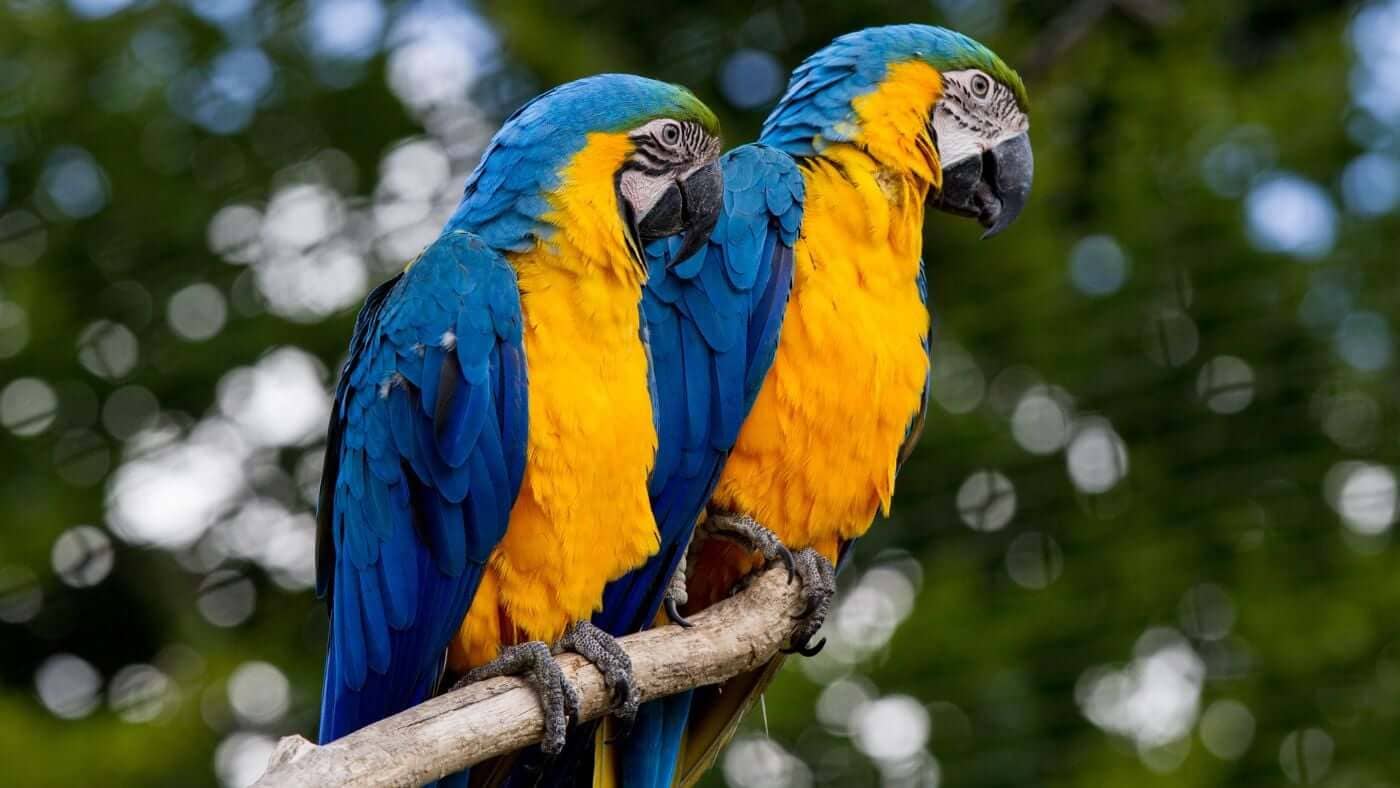
Lincolnshire Wildlife Park is home to The National Parrot Sanctuary, where more than 1,000 parrots receive long-term care alongside the park's wider work in animal welfare, education and conservation.
If you remember Lincolnshire Wildlife Park as The Parrot Zoo, you are certainly not alone. Parrots were at the heart of the organisation long before the park developed into the much broader wildlife attraction visitors know today.
The name may have changed, but parrots remain central to its identity. The National Parrot Sanctuary continues to provide a permanent home for rescued and rehomed parrots, while Lincolnshire Wildlife Park now cares for a much wider variety of birds and animals.
From The Parrot Zoo To Lincolnshire Wildlife Park
The story behind Lincolnshire Wildlife Park began long before the current name appeared.
The organisation traces its roots to the early 1990s, when founder Steve Nichols began helping parrot owners and advising on parrot care. What started on a much smaller scale eventually developed into The National Parrot Sanctuary and a dedicated site in rural Lincolnshire.
The park opened its doors in 2003, originally centred around The National Parrot Sanctuary. Over the years, its work expanded beyond parrots as more animals in need of long-term care arrived.
As the collection became increasingly diverse, the name Lincolnshire Wildlife Park better reflected what visitors could expect to find there.
The National Parrot Sanctuary Today
Despite the wider range of animals now living at the park, The National Parrot Sanctuary remains at the heart of Lincolnshire Wildlife Park.
The sanctuary provides a permanent home for more than 1,000 parrots and parakeets. Unlike organisations that rehabilitate birds before finding them another private home, the sanctuary's approach is to provide long-term care for pet parrots accepted into the centre.
This gives birds the opportunity to live in an environment designed around their physical, behavioural and social needs.
Parrots can arrive at rescue centres for many different reasons. An owner's circumstances may change, a bird may outlive its previous keeper, or caring for an intelligent and demanding parrot may become more difficult than originally anticipated.
The sanctuary focuses on providing appropriate nutrition, environmental enrichment, suitable housing and opportunities for parrots to display natural behaviours.
Why Parrot Sanctuaries Are Important
Sharing your home with a parrot can be incredibly rewarding, but responsible parrot ownership is a long-term commitment.
Many parrots can live for decades. Larger species may remain part of a family for much of a person's adult life, which means changes in health, housing, finances or family circumstances can sometimes leave owners unable to continue providing the care their bird needs.
Parrots also require much more than food, water and a cage. They need opportunities to climb, forage, chew, explore, exercise and interact. Their intelligence and social nature mean that inadequate stimulation can have a significant impact on their wellbeing.
Facilities such as The National Parrot Sanctuary therefore provide an important option when a bird can no longer remain in its previous home.
Lincolnshire Wildlife Park Is Now Much More Than A Parrot Sanctuary
Visitors who have not been to the park since its Parrot Zoo days may be surprised by how much it has changed.
Alongside its extensive parrot population, Lincolnshire Wildlife Park now cares for a broad collection of mammals, reptiles and other birds.
Its residents include Bengal Tigers, a Black Leopard, a White Lion, meerkats, lemurs, tapir, tortoises, wallabies and other species.
More than 99% of the animals at the sanctuary have been rescued, according to the charity, reflecting the welfare focus behind the park rather than simply building a traditional zoo collection.
The expansion helps explain why the change from Parrot Zoo to Lincolnshire Wildlife Park made sense. The original name reflected where the organisation began, while today's name represents the much wider role it now performs.
Parrots Remain At The Heart Of The Park
The wider collection has not pushed parrots into the background.
Lincolnshire Wildlife Park describes The National Parrot Sanctuary as the backbone of the organisation and continues to identify parrot welfare as one of the most important aspects of its work.
For parrot lovers, that means a visit provides an unusual opportunity to see a very large and diverse population of parrots while also learning more about the responsibilities involved in keeping them.
The park currently holds a daily parrot talk at 11am, subject to availability, giving visitors an opportunity to learn more about the birds and their care.
This educational role is particularly valuable because parrots are sometimes purchased primarily because of their colourful appearance, intelligence or ability to talk, without a full understanding of how much care they may require over a lifetime.
Conservation At Lincolnshire Wildlife Park
The park's work has also developed beyond caring for animals already living at the sanctuary.
Lincolnshire Wildlife Park runs conservation projects around its own site to encourage native wildlife and help visitors understand the importance of protecting habitats.
Projects include a nature walk, a bug hotel, bird monitoring, bird and bat boxes, and beehives.
The park also reports that 960 trees have been planted with support from The Woodland Trust, with a reported survival rate of approximately 95%.
These smaller local projects help demonstrate an important aspect of conservation. Protecting wildlife is not only about endangered species living thousands of miles away. Creating suitable habitats for native birds, insects, mammals and plants can make a difference much closer to home.
Education And Responsible Parrot Ownership
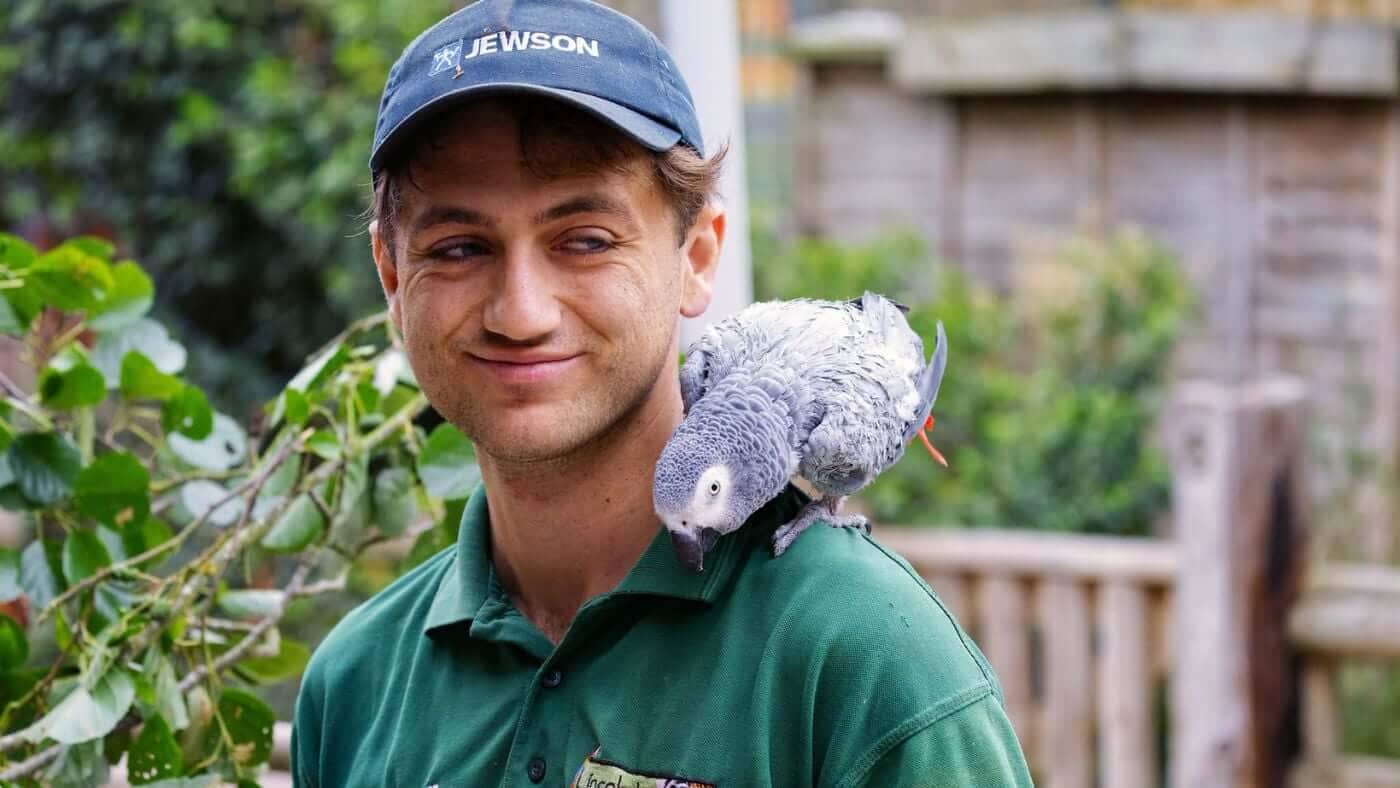 Source: Lincolnshire Wildlife Park https://www.facebook.com/Lincolnshire-Wildlife-Park-257906397579492
One of the most valuable lessons behind the sanctuary's work is that bringing a parrot home should never be an impulse decision.
Different parrot species have very different requirements, but all need suitable nutrition, appropriate housing, enrichment, exercise and regular opportunities to express natural behaviours.
Potential owners should also consider noise levels, veterinary costs, holiday arrangements and how their circumstances could change throughout the bird's lifetime.
If you are thinking about getting a parrot, research the species carefully before making a commitment. Spend time learning about diet, behaviour, enrichment and common health concerns rather than choosing a bird based mainly on appearance or talking ability.
Understanding these responsibilities before bringing a bird home can help prevent parrots needing to be rehomed later.
Can You Rehome A Parrot At Lincolnshire Wildlife Park?
Lincolnshire Wildlife Park and The Parrot Zoo Trust continue to assist with the rehoming of parrots and other exotic animals.
If you are considering rehoming a bird, contact the sanctuary directly and follow its current rehoming procedure rather than travelling to the park with your parrot without prior arrangements.
Rehoming a much-loved companion can be an extremely difficult decision. Sometimes, however, finding appropriate long-term care is the most responsible choice when an owner's circumstances mean they can no longer meet their bird's needs.
Visiting Lincolnshire Wildlife Park
Lincolnshire Wildlife Park is located at Dickonhill Road, Friskney, Lincolnshire, PE22 8PP, within travelling distance of Skegness and Boston.
As of September 2026, the park is open seven days a week, including Bank Holidays. Current seasonal opening times are:
- January and February: 9:30am to 4pm.
- March to November: 9:30am to 5pm.
- December: opening hours may differ, so check before travelling.
Last admission is normally one hour before closing.
Visitors can explore the parrot areas alongside the park's mammals, reptiles, big cats and other birds. Animal talks and experiences are also available, although times and activities can change.
If you are planning a visit, always check the Lincolnshire Wildlife Park website before travelling for the latest opening hours, ticket prices, talks and visitor information.
Supporting The National Parrot Sanctuary
Caring for more than 1,000 parrots alongside the park's other rescued animals requires significant resources.
People who want to support the charity can do so in several ways, including visiting the park, donating, fundraising or participating in the sanctuary's available support programmes.
Even if you cannot visit in person, sharing responsible information about parrot ownership can help. Encouraging prospective owners to research before buying and helping people understand the long-term commitment involved in parrot care can reduce preventable rehoming.
From Parrot Zoo To A Much Bigger Mission
Lincolnshire Wildlife Park has changed considerably since its early days, but the reason behind its original Parrot Zoo identity has never disappeared.
What began as specialist support for parrots has developed into a major sanctuary caring for more than 1,000 parrots as well as a growing variety of other rescued animals.
Today, Lincolnshire Wildlife Park combines animal welfare, education, visitor experiences and conservation, while the National Parrot Sanctuary continues to form a central part of its work.
For those who remember the original Parrot Zoo, the new name represents how much the organisation has grown. For today's parrot owners, its continuing work is also a reminder of just how significant the commitment to caring for a parrot can be.
Before bringing any parrot into your family, take time to understand their lifespan, behaviour, diet, enrichment and social needs. Responsible ownership begins long before you bring your bird home and can help ensure they have the secure, stimulating and loving life they deserve.
For more advice about parrot care, behaviour, nutrition and enrichment, visit the Parrot Essentials Blog.
FAQs
What is Lincolnshire Wildlife Park?
Lincolnshire Wildlife Park is a wildlife sanctuary and visitor attraction in Friskney, Lincolnshire. It is also home to The National Parrot Sanctuary and cares for a wide range of rescued animals.
Is Lincolnshire Wildlife Park the same as Parrot Zoo?
Yes. The attraction was previously known as Parrot Zoo. As the sanctuary expanded to care for many more species, the name changed to Lincolnshire Wildlife Park to better reflect its wider role.
How many parrots live at Lincolnshire Wildlife Park?
The National Parrot Sanctuary at Lincolnshire Wildlife Park provides long-term care for more than 1,000 parrots and parakeets.
What is The National Parrot Sanctuary?
The National Parrot Sanctuary is the parrot-focused part of Lincolnshire Wildlife Park. It provides permanent care for rescued and rehomed parrots, with a strong focus on welfare, enrichment and appropriate long-term care.
What animals can you see at Lincolnshire Wildlife Park?
Alongside its large parrot population, the park cares for a variety of other animals, including big cats, meerkats, lemurs, tortoises, tapir and other rescued species.