My Pet Parrot Stories: Louisa & Sunny
My Pet Parrot Stories: Louisa & Sunny
We believe that every bird has a unique story, and we would love to hear yours! To take part, simply visit My Pet Parrot Stories: Introduction, where you can read more and submit your feathered friend’s story for a chance to receive up to £50 Parrot Essentials Gift Voucher to spoil your companion.
Welcoming a pet parrot into your home can be a truly life-changing experience. From joyful songs to unexpected worries, parrots bring endless emotion into our lives. In this story, Louisa shares life with her pet parrot, Sunny, a lovable male cockatiel whose charm, affection, and unusual behaviour have made him unforgettable.
The Meeting Story
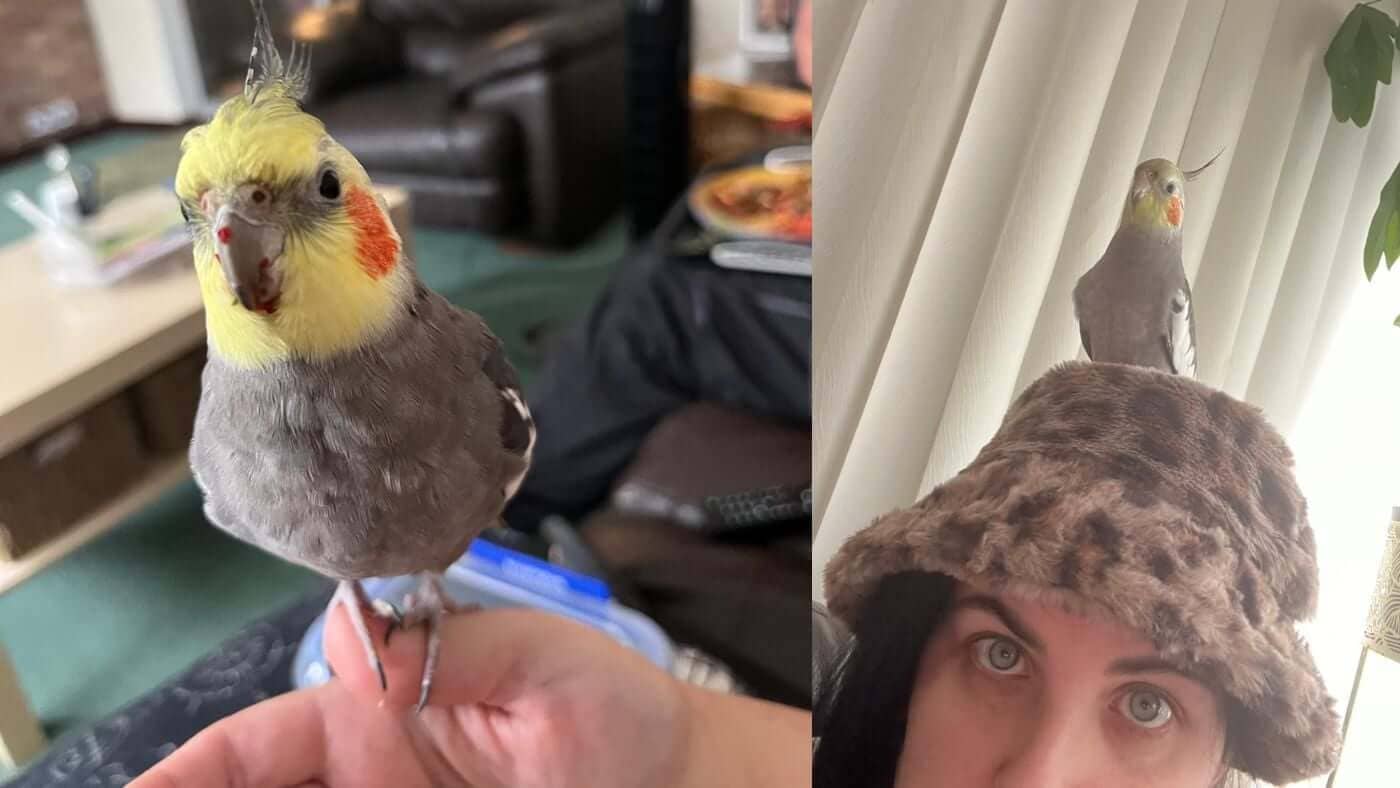
Sunny is my gorgeous little male cockatiel and is approximately 18 months old. We got Sunny as company for our female Kakariki, Blue, who sadly passed away. After that, we welcomed another cockatiel, Salix, to keep Sunny company. Both boys have become such an important part of our family and help get me through some of the toughest days.
I’d heard that cockatiels are a good ‘starter’ parrot for inexperienced bird parents, and I fell in love with Sunny the moment I saw him!
Our Bond
Q: How would you describe the bond you share with your parrot?
We share an incredibly close bond. Sunny loves kisses and greets me every morning with “Hello Baby” when I wake up or open the door. He’s such a sweet, gentle little soul.
As a new bird mum, I had no idea how affectionate cockatiels could be or how much they’d want kisses and scritches – I’m definitely not complaining! Sunny has even taught his younger brother, Salix, to say “Hello Baby”, and hearing them synchronise this greeting melts my heart every time.
Food & Character
Q: What is your parrot’s favourite food?
Sunny loves millet sprays, but he goes completely googly-eyed when he sees a Cheesestring. Food is definitely one of his greatest joys.
Parrot Essentials Tip: Treats like millet are great for bonding with your pet parrot, but they’re best offered alongside a balanced staple diet such as quality pellets and fresh foods to support long-term health.
Q: How does your parrot express affection?
Sunny shows affection by saying “Hello Baby”, singing Jingle Bells, and asking for kisses on the head. He’s incredibly loving and always eager for attention.
Activities & Talents
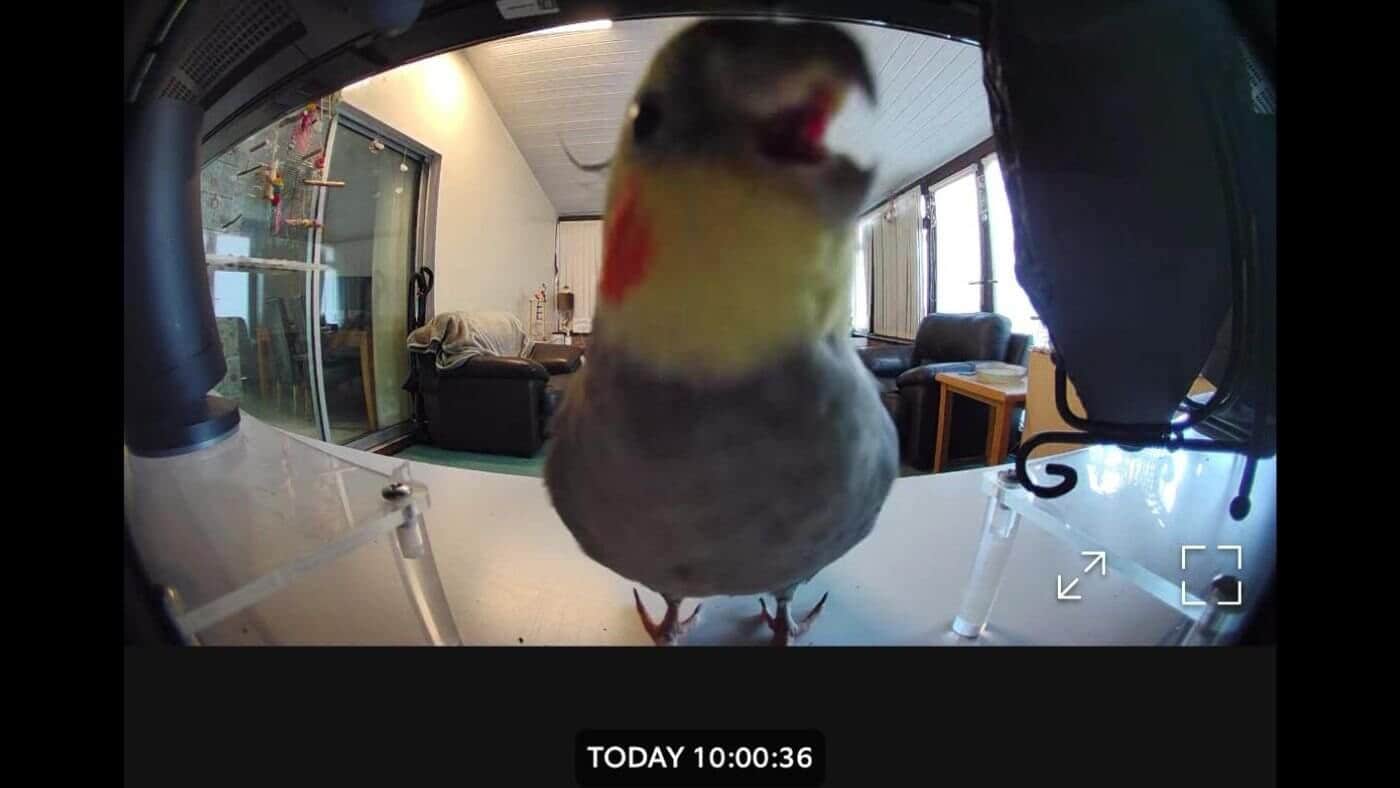 Louisa took this screenshot after receiving a notification "Motion Detected"
Q: What activities or hobbies does your parrot enjoy?
Sunny loves sitting on his branch, singing Jingle Bells, and searching the floor for any accidentally dropped seeds.
Q: Does your parrot have any unique behaviours?
Yes – Sunny is in a long-term relationship with his foot! His hormones told him it was time to find a mate, and he decided his foot would do. He smooches it and even regurgitates to ‘feed’ it, which is equal parts worrying and hilarious.
Challenges and Surprises
Q: What challenges have you faced while caring for your parrot?
After noticing Sunny nibbling his foot for several weeks, I became extremely worried. I feared a splinter or bumblefoot, so we took him to an avian vet. After a very stressful visit – and £500 later – we were told Sunny wasn’t injured at all. He was simply hormonal and madly in love with his foot.
It was a huge relief, even if slightly embarrassing, and it’s now one of our favourite stories to tell.
Parrot Essentials Tip: Hormonal behaviour is common in cockatiels. Understanding seasonal changes and providing appropriate enrichment can help manage it.
Life With a Pet Parrot
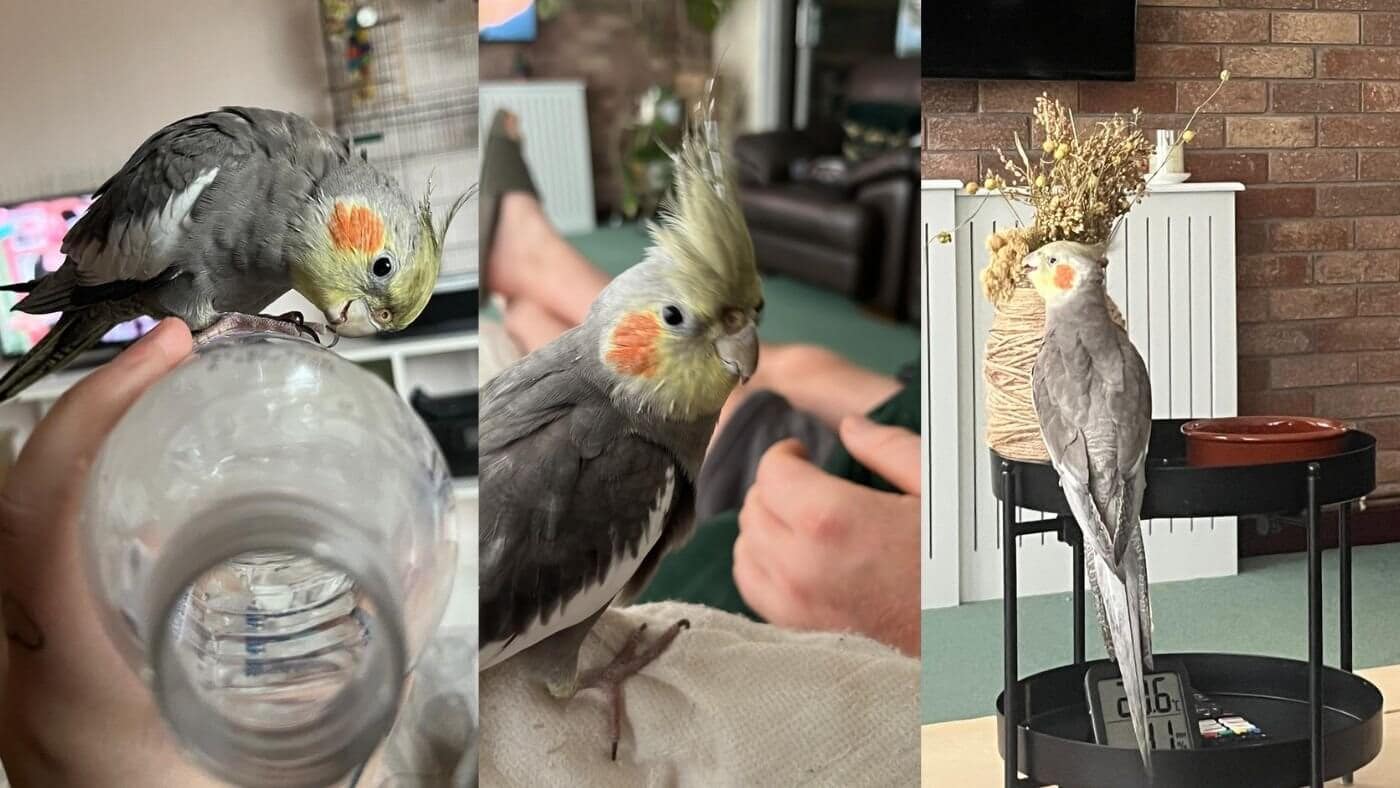
Q: How has your parrot impacted your life?
Immensely. Sunny and Salix get me through some of my toughest days. It’s hard to feel sad when you have such precious feathered (and scaled) babies in your life.
Once you get a pet parrot, they’re included in everything you do. You make breakfast – they want the apple scraps. You get ready for work – they perch on your shoulder. You watch TV – they sing through the adverts.
Advice for Future Parrot Parents
Q: What advice would you give to someone considering getting a parrot?
Time. Money. Space. Patience.
Please do your research. Parrots cannot be locked in a cage 24/7. They need attention, time out in a bird-safe room, and understanding. They can also be very loud, especially males who love to sing. I would also strongly recommend pet insurance.
Parrot Essentials Tip: Always research a species thoroughly before bringing a pet parrot home, including lifespan, noise level, and daily care needs.
Final Words
Q: Is there anything else you’d like to share?
Sunny and Salix are the biggest blessing I could ever ask for. They are such adorable little souls, and I wouldn’t trade them for the world!
About Pet Cockatiels
A pet cockatiel is often chosen for their gentle nature, expressive personality, and strong desire for companionship. Native to Australia, cockatiels are known for forming close bonds with their owners and thriving on daily interaction. When cared for properly, cockatiels can become a deeply affectionate and engaging companion, often greeting their humans with whistles, songs, and familiar phrases.
Cockatiels are also highly observant and emotionally aware birds. They enjoy routines, respond well to positive reinforcement, and often seek physical closeness through head scritches, shoulder perching, and vocal communication. While they are sometimes described as a good choice for first-time bird owners, a pet cockatiel still requires time, patience, and a good understanding of their behavioural needs.
Hormonal Behaviour in a Pet Cockatiel
Hormonal behaviour is a natural part of life for a pet cockatiel and can appear at different stages, particularly during sexual maturity or seasonal changes. This may include regurgitating food, bonding with objects, increased vocalisation, or choosing unusual “mates”, as seen in Sunny’s story. While this behaviour can be surprising or worrying for new owners, it is often completely normal.
Understanding hormonal behaviour helps owners respond calmly and appropriately. Providing mental stimulation, avoiding triggers, and maintaining a balanced routine can all help a pet cockatiel feel secure during these phases.
FAQs
Is a cockatiel a good pet parrot for beginners?
Yes, cockatiels are often considered a great pet parrot for beginners. They are generally gentle, affectionate, and easier to bond with compared to some larger parrot species.
Why does my pet parrot regurgitate or bond with objects?
This behaviour is often hormonal. A pet parrot may regurgitate or bond with objects, toys, or even body parts during breeding seasons when hormones are higher.
How much attention does a pet parrot need each day?
A pet parrot needs daily interaction, mental stimulation, and time outside the cage. Lack of engagement can lead to boredom, stress, or behavioural issues.
What is the best diet for a pet parrot?
A balanced pet parrot diet should include high-quality pellets, fresh vegetables, limited fruit, and occasional treats like millet, depending on the species.
Are cockatiels affectionate pet parrots?
Yes, many cockatiels are very affectionate pet parrots. They often enjoy head scritches, vocal interaction, and close companionship with their caregivers.