Parrot Hormone Season: Signs and Managing Hormonal Stress
Parrot hormone season can bring sudden biting, territorial behaviour, nesting instincts and increased vocalisation. Managing hormonal stress starts with recognising breeding triggers, maintaining healthy sleep routines, adjusting how you interact with your bird and providing plenty of enrichment to keep them occupied.
Has your normally affectionate parrot suddenly decided that you're not welcome anywhere near their cage? Perhaps they're screaming more than usual, defending their favourite toy or trying to squeeze into every dark corner of the house.
Sound familiar? Welcome to parrot hormone season!
We've all heard stories about sweet, cuddly parrots seemingly transforming into little troublemakers overnight. It's frustrating, especially when you've done nothing differently. But there's usually a reason behind these changes, and understanding what's happening makes managing them much easier.
The good news? You don't need to fight your parrot's natural instincts. A few thoughtful adjustments to their daily routine can make this challenging period much more manageable for everyone.
What Is Parrot Hormone Season?
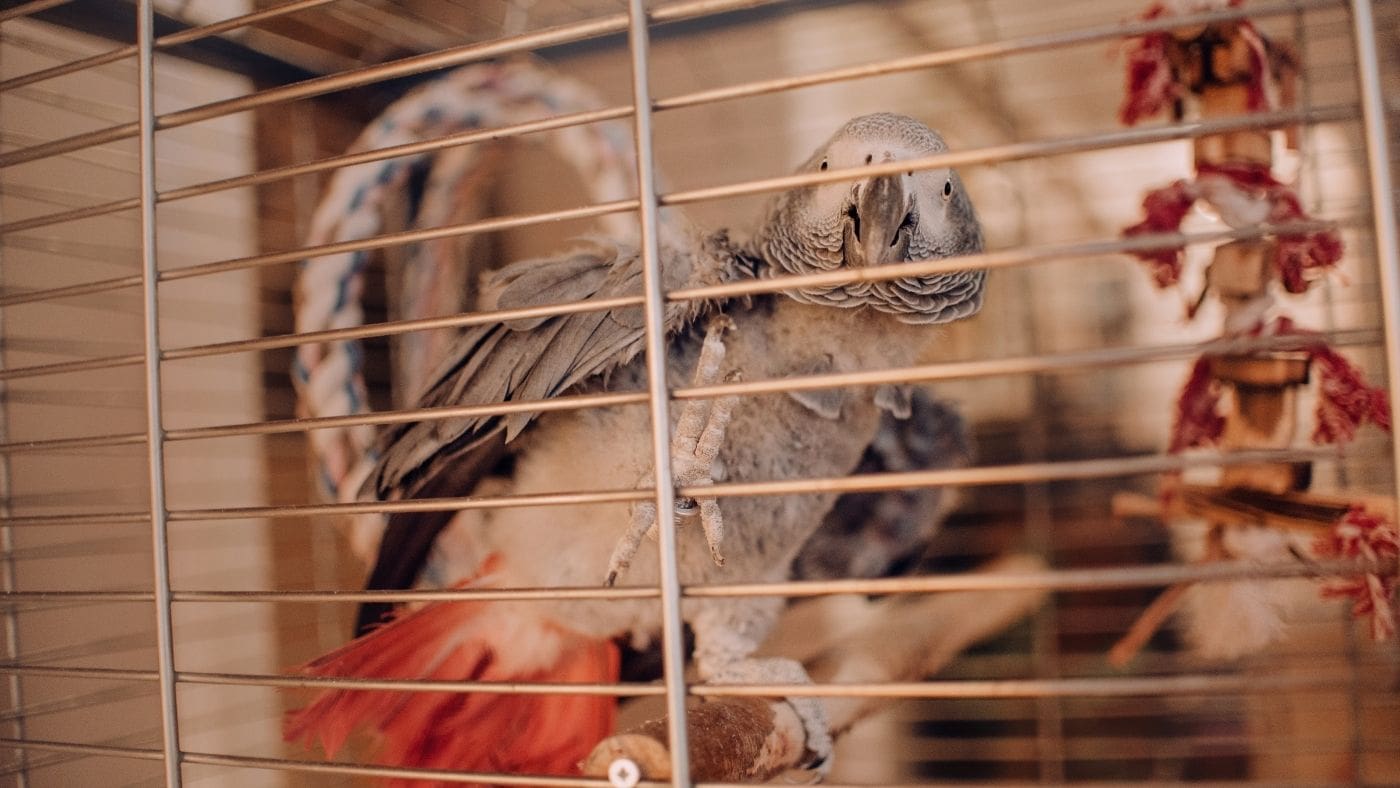
Parrot hormone season is a period of increased reproductive activity, when environmental conditions encourage your bird's natural breeding instincts.
In the wild, changes in daylight, temperature and food availability help signal when conditions are suitable for breeding. Our companion parrots respond to many of these same cues, even when they're living comfortably indoors.
Spring is a common trigger, but hormonal behaviour isn't limited to one season. Artificial lighting, consistently warm surroundings, access to nesting spaces and certain interactions can encourage breeding behaviour at other times of the year.
Some species and individual birds are more sensitive to these triggers than others. Your cockatiel might become particularly protective of a corner, while an Amazon parrot may suddenly become much more vocal and territorial.
And remember, hormonal behaviour isn't automatically bad behaviour. It's a natural response that sometimes needs a little guidance.
Common Signs Your Parrot Is Hormonal
So, how can you tell whether hormones might be influencing your parrot's behaviour?
Look for changes such as:
- Increased territoriality: Guarding the cage, food bowls, favourite toys or particular areas of the home.
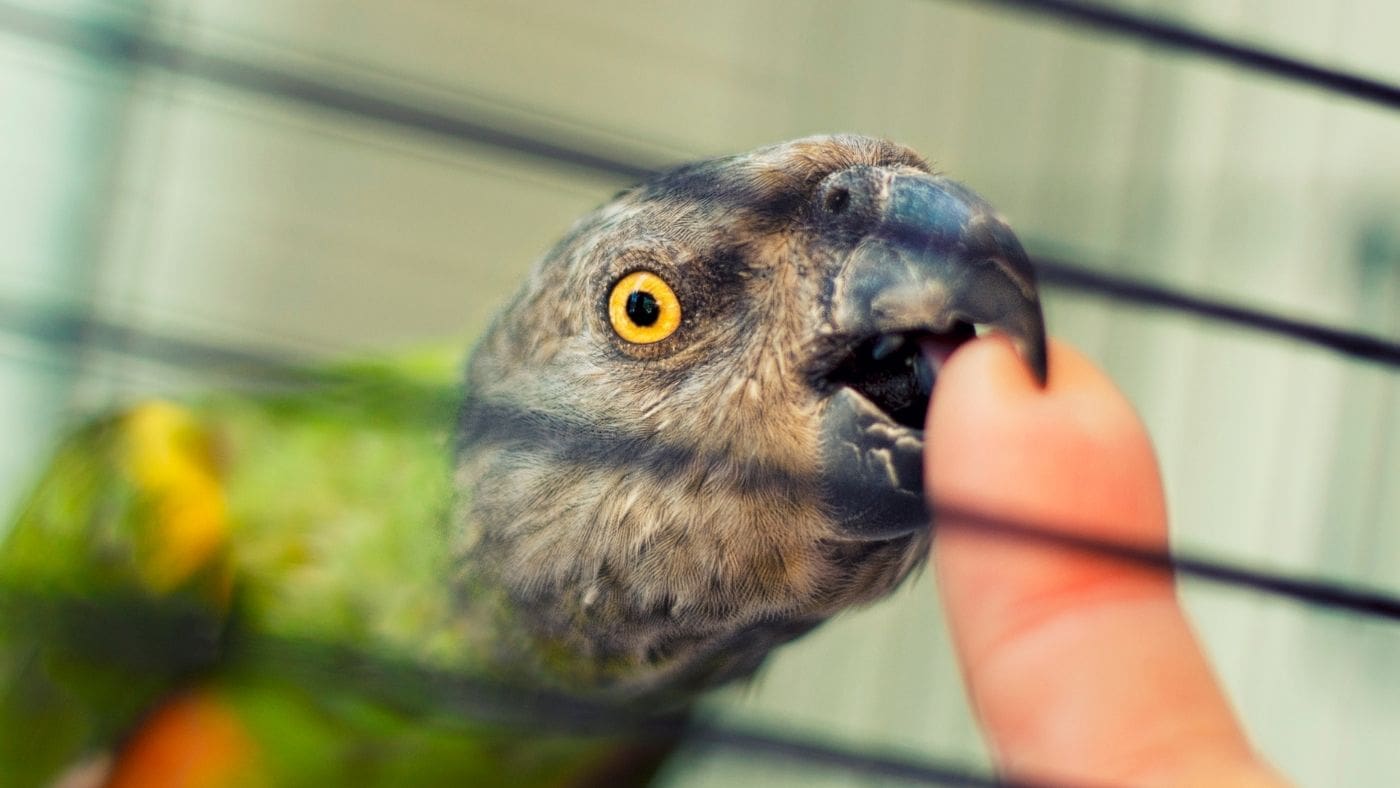
- Sudden biting or lunging: Becoming defensive when approached, especially around potential nesting spots.
- Excessive vocalisation: Calling, screaming or becoming noticeably louder than usual.
- Nesting behaviour: Exploring dark spaces, shredding materials or repeatedly investigating cupboards and enclosed areas.
- Regurgitation: Bringing up food towards a favourite person, toy or mirror as part of courtship behaviour.
- Mating behaviour: Rubbing against objects, adopting mating postures or becoming unusually attached to one person.
- Restlessness: Appearing more demanding, distracted or difficult to settle.
Not every hormonal parrot displays all these signs. Some become noticeably more affectionate, while others would rather everyone kept their distance!
One important distinction: a sudden behavioural change doesn't automatically mean hormones are responsible. Pain and illness can produce similar reactions, particularly when a normally friendly bird suddenly becomes defensive.
How to Manage Parrot Hormone Season
There's no magic switch that turns breeding instincts off, and that's perfectly normal.
What we can do is make the home environment less encouraging for breeding while giving our parrots healthier ways to spend their time.
1. Get Their Sleep Routine Right
One of the first things we'd look at is sleep. Does your parrot actually get a peaceful night's rest, or are they still listening to the television and watching everyone move around at 11pm?
Many companion parrots benefit from approximately 10-12 hours of uninterrupted overnight rest. Birds experiencing persistent reproductive behaviour may need a more carefully managed light schedule under veterinary guidance.
Try to:
- Maintain consistent bedtime and wake-up times.
- Keep the sleeping environment quiet and free from unnecessary disturbances.
- Limit artificial lighting late into the evening.
- Make changes gradually rather than suddenly disrupting your bird's routine.
A predictable day and night cycle helps your parrot maintain a healthier routine. Remember that sleep requirements vary, and birds prone to night frights may need a suitable night light.
2. Remove Tempting Nesting Spots
Ever caught your parrot investigating the space behind the sofa or trying to disappear into a cupboard?
To us, it's just another corner of the house. To a hormonally active parrot, it might look like the perfect place to raise a family!
Dark, enclosed spaces can encourage nesting behaviour, particularly when your bird starts defending them.
Take a look around their environment and consider removing access to:
- Dark cupboards, drawers and spaces behind furniture.
- Enclosed fabric huts, tents and nest boxes that aren't required for an appropriate breeding programme.
- Blankets, clothing and other materials your bird repeatedly tries to nest beneath.
- Objects that consistently encourage courtship or obsessive attachment.
Don't confuse ordinary chewing with nesting, though. Parrots naturally love shredding things, and we certainly don't want to take that enjoyment away.
The difference is whether your bird is simply playing or actively creating, occupying and defending a nesting area.
3. Be Mindful of How You Pet Your Parrot
Here's something many loving parrot owners don't realise: the way we show affection can sometimes send the wrong message.
Stroking your parrot's back, belly, tail or underneath their wings may be interpreted as courtship behaviour.
Instead, keep physical affection to gentle head and neck scratches, provided your bird enjoys them and isn't displaying mating responses.
Does that mean you need to stop being affectionate? Absolutely not!
Talking, playing, training and simply spending time together are all wonderful ways to maintain your bond without encouraging reproductive behaviour.
If your parrot begins regurgitating towards you or displaying mating postures, calmly pause the interaction and redirect their attention towards another activity.
4. Keep Their Mind and Beak Busy
A hormonally frustrated parrot with nothing to do is rarely a recipe for a peaceful afternoon!
Enrichment is particularly valuable during parrot hormone season because it encourages natural activities that have nothing to do with breeding.
We recommend making everyday activities more interesting:
- Foraging: Hide part of their normal food allowance inside suitable foraging toys.
- Chewing: Offer bird-safe wooden toys and shreddable materials that don't encourage nesting.
- Training: Practise short, positive sessions using familiar commands and rewards.
- Independent play: Encourage your parrot to enjoy activities without constantly relying on your attention.
- Exercise: Provide opportunities for safe climbing, movement and supervised out-of-cage activity.
Rotate activities to maintain interest, but avoid overwhelming a sensitive bird with too many changes at once.
For more ideas, our guide to recognising and reducing parrot stress explains how daily enrichment and predictable routines support your bird's wellbeing.
5. Handle Territorial Behaviour Without Creating Conflict
Let's say your parrot has started lunging whenever you approach their cage. What should you do?
First, resist the temptation to prove who's in charge. Parrots don't respond well to being challenged, and forcing an interaction can quickly turn a defensive warning into a bite.
Instead:
- Watch their body language before approaching.
- Avoid reaching into areas they're actively defending unless necessary for safety.
- Encourage them to move voluntarily to a separate perch or play stand.
- Reward calm behaviour and cooperation.
- Give them space when they're clearly uncomfortable.
It's also worth noticing exactly what triggers the reaction. Is it the cage door? A particular toy? Another family member approaching you?
Once you recognise the pattern, you can work around it rather than repeatedly putting your parrot in a situation they find threatening.
Our guide to hormonal parrot behaviour and its causes explores the wider behavioural changes owners may encounter.
Can Diet Influence Hormonal Behaviour?
Yes, food availability and dietary energy can influence reproductive behaviour in some parrots.
However, this doesn't mean cutting back on essential nutrition or removing healthy foods whenever your bird becomes hormonal.
Continue providing a balanced, species-appropriate diet while avoiding excessive high-fat treats and unnecessary overfeeding.
If your parrot is particularly sensitive to certain feeding routines, discuss adjustments with an avian vet. This is especially important for females that are laying eggs, as their nutritional requirements and calcium needs deserve careful attention.
Never restrict food or water to discourage breeding behaviour.
Can Calming Support Help During Parrot Hormone Season?
Sometimes, even with a good routine, a hormonally active parrot can become unusually restless or sensitive to everyday situations.
When stress is part of the picture, additional calming support may be worth considering alongside the environmental changes we've discussed.
At Parrot Essentials, we offer two different approaches.
Casozen is a parrot-focused calming supplement available in capsule and liquid formats. It's designed to support birds experiencing stress and can be considered as part of a wider care routine.
Pet Remedy offers environmental calming products, including diffusers and sprays. Rather than being added to drinking water like Casozen, these products are intended for use according to their individual environmental application instructions.
Both ranges are intended to support calmness, but they work differently and shouldn't be treated as interchangeable.
Most importantly, neither product changes your parrot's reproductive hormones or removes the underlying breeding triggers. They aren't treatments for aggression, feather plucking or medical conditions, and we wouldn't recommend combining them without appropriate professional advice.
Start with your bird's routine, environment and behaviour. That's where the most meaningful changes begin.
When Should You Speak to an Avian Vet?
Hormonal behaviour is common, but it's important not to dismiss every unusual reaction as seasonal.
Arrange an avian veterinary assessment if your parrot experiences:
- Sudden, unexplained aggression or significant personality changes.
- Persistent feather plucking or self-injury.
- Repeated or excessive egg laying.
- Reduced appetite, weight loss or unusual droppings.
- Hormonal behaviour that remains intense despite appropriate environmental changes.
Female parrots require particular attention because repeated egg laying can lead to calcium depletion and reproductive complications.
If your bird is straining, sitting fluffed up on the cage floor, struggling to perch, showing breathing difficulties or appearing severely weak, seek urgent avian veterinary care. These can be signs of serious illness, including egg binding.
And if your parrot has already laid an egg? Don't immediately remove it or repeatedly disturb the nesting area. Removing eggs can encourage replacement laying in some birds. Contact your avian vet for advice on safe egg management.
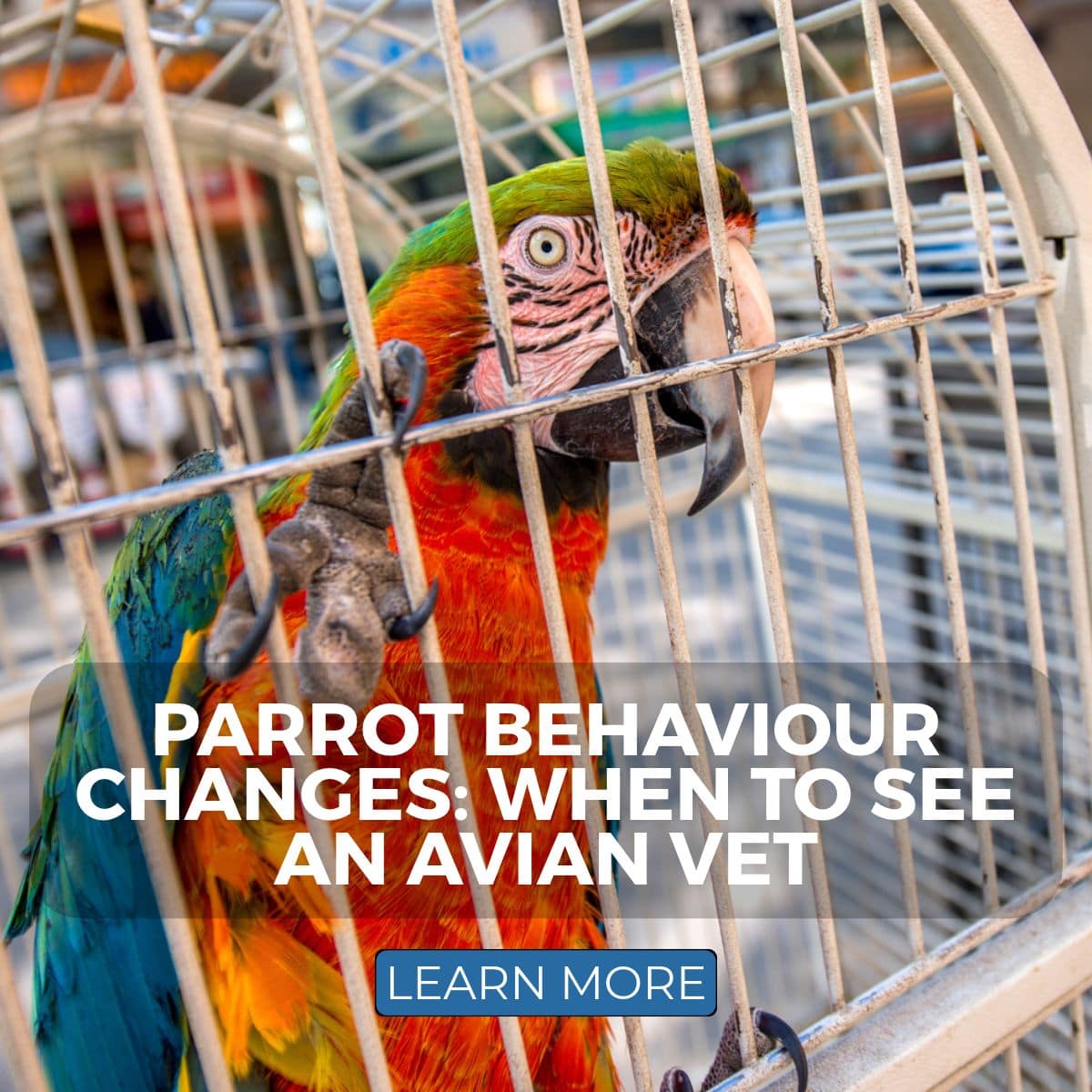
For help recognising concerning symptoms, read our guide to parrot behaviour changes and when to see an avian vet.
Helping Your Parrot Through Hormone Season
Parrot hormone season can test anyone's patience, particularly when your usually affectionate companion suddenly decides that their favourite perch is strictly off-limits!
But remember, your parrot isn't deliberately trying to make life difficult. They're responding to natural instincts, and they need you to help them navigate those changes.
Focus on consistent sleep, sensible nesting boundaries, appropriate affection and plenty of opportunities to forage, chew, play and exercise.
Above all, pay attention to what your individual bird is telling you. Some parrots need more space during hormonal periods, while others benefit from extra structured activities and gentle interaction.
With patience, understanding and a few practical adjustments, you can make parrot hormone season easier to manage without sacrificing the wonderful relationship you've built with your feathered companion.
FAQs
When does parrot hormone season start?
Parrot hormone season commonly occurs during spring as daylight hours increase. However, indoor lighting, environmental conditions and individual species differences can trigger hormonal behaviour at other times of the year.
How long does hormonal behaviour last in parrots?
Hormonal behaviour may last several weeks or longer, depending on the bird and its environment. Some parrots experience recurring seasonal changes, while others show reproductive behaviour throughout the year.
Why is my parrot suddenly biting during hormone season?
Hormonal parrots may become more territorial, particularly around cages, nesting areas or favourite objects. Respect their boundaries and reward calm behaviour. Sudden unexplained aggression also warrants veterinary assessment.
Should I stop petting my hormonal parrot?
You don't need to stop showing affection. Limit physical petting to the head and neck, avoid stimulating sensitive body areas and focus on positive interactions such as training and playing together.
Can calming products stop hormonal behaviour in parrots?
No. Calming products do not suppress reproductive hormones or eliminate breeding instincts. They may provide additional stress-related support, but appropriate sleep, environmental management, enrichment and veterinary advice remain essential.
Close-up of a parrot biting a person's finger through cage bars, highlighting aggression and biting behaviour associated with parrot hormone season.