My Pet Parrot Stories: Sian & Charlie
Table of Contents
Sometimes a pet parrot can leave a mark on your heart. Other times they change the direction of your entire life. This story is about Charlie Chicken, a tiny budgie with an extraordinary legacy, and the journey his human took from curious first-time guardian to determined advocate for birds who too often get overlooked.
From the first wide-eyed days at home to a life-altering diagnosis, Charlie’s resilience sparked something bigger than anyone could have imagined. What began as one person simply trying to do the best for their pet grew into a mission to improve the lives of countless birds across the UK. If you have ever loved a budgie or underestimated just how much a small pet parrot can mean, Charlie’s story will stay with you. If you want to share your parrot's story, please visit My Pet Parrot Stories - Introduction.
Little Budgie, Large Legacy
As an adult, I re-entered the world of pet birds again back in 2022, when I brought home a tiny, wide-eyed baby budgerigar from a local breeder. I named him Charlie Chicken.
At the time, I had no idea just how profoundly this one little bird would change the trajectory of my life and eventually help hundreds of others.
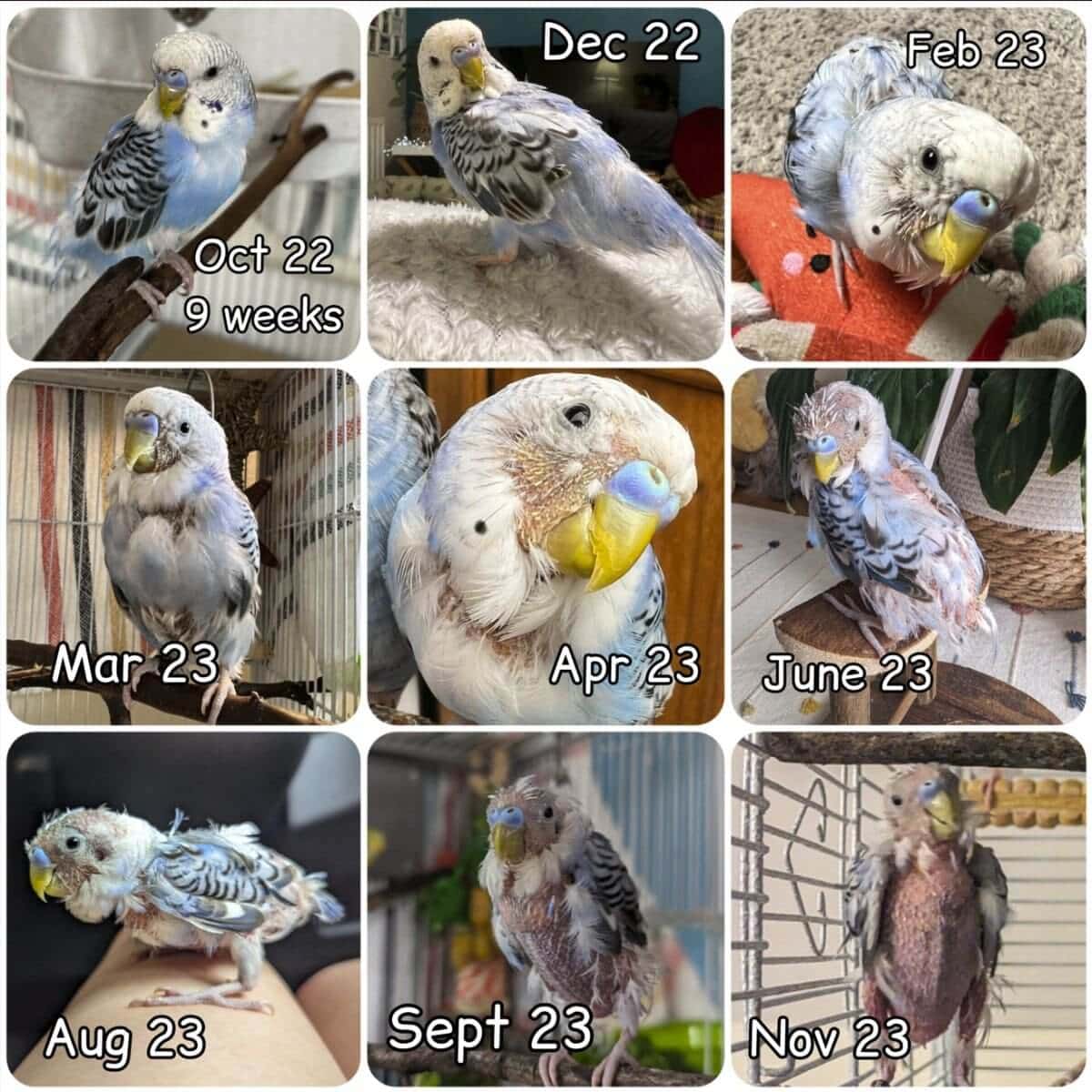
When Charlie first arrived, he was full of the natural curiosity and playfulness you would expect from a young budgie. We spent hours bonding, and I marvelled at his intricate little personality. However, as the months went on, I noticed something wasn't quite right with his physical development. His feathers were simply not growing as they should have been, leaving him looking scruffy and a little naked (still absolutely adorable).
A Difficult Diagnosis
I launched full-heartedly into research, education and veterinary testing to work out what was going on. It was such a stressful period, but my determination to advocate for my pet parrot kept me pushing for answers. Eventually, my fear was confirmed: Charlie was diagnosed with Psittacine Beak and Feather Disease (PBFD), an incurable, highly contagious avian circovirus, and something I had never heard of, until that moment. This virus causes severe feather loss and impacts the immune system, leaving birds really vulnerable to any and all illnesses.
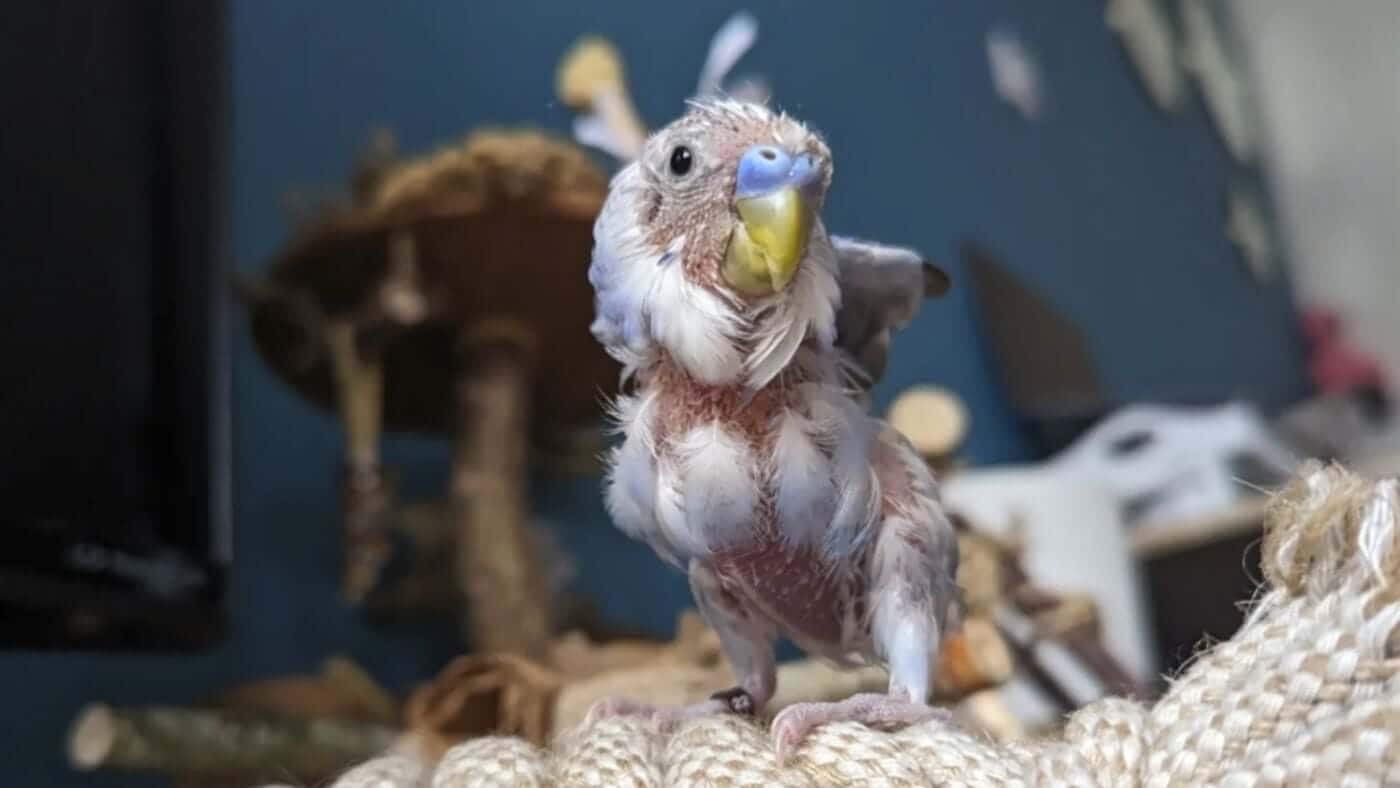
Receiving this news was devastating. It is a diagnosis that requires immense humility, as you realise there is (at time of writing) no cure, no vaccine and no medication; you can only manage their environment and provide the highest quality of supportive care. Watching Charlie navigate his condition with such resilience only deepened my compassion for him. He may not have looked like a traditional, fully-feathered budgie, but his spirit remained entirely unbroken, and he was still my beloved pet parrot.
His Inspirational Impact
As I researched how best to support Charlie’s complex medical needs, I discovered a glaring gap in the animal welfare sector. There was a significant lack of dedicated budgie rescue provision in the UK, particularly for birds with medical or behavioural needs. Many rescues simply do not have the biosecurity measures or specialised knowledge to take in a PBFD-positive bird.
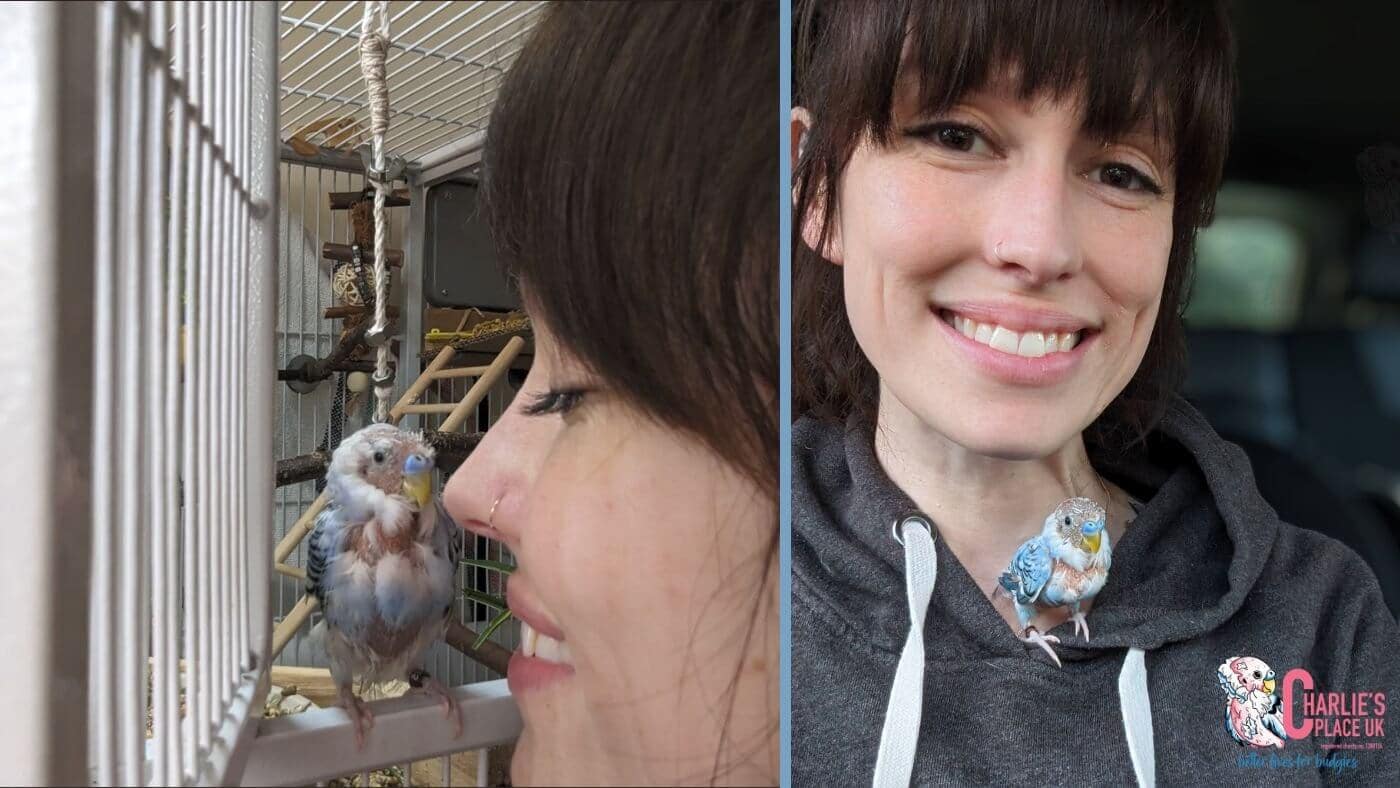
This sense of injustice, that these highly intelligent, sensitive animals were slipping through the cracks, lit a fire in me. Inspired by my brave little pet parrot, I decided to do my bit to better the lives of budgies and their guardians. In 2023, I voluntarily founded Charlie's Place UK Budgies (becoming a registered charity 1208136, in May of 2024), running it entirely from my home alongside my full-time job. I had no idea how to even begin, but neither did Charlie, in managing PBFD, so I wasn't about to let that stop me trying to create better lives for budgies.
Honouring Charlie’s Memory
Charlie sadly passed away in March 2024, but his impact is far from over. Today, he remains the heart and soul of our charity, and his silhouette is the centrepiece of the CPUK logo. Because of him, we offer a safe, enriched sanctuary for the budgies we rescue, ensuring they live the very best lives possible. We have even developed a special interest in supporting other PBFD-positive birds, advocating for them when many others feel they have no options.
Caring for Charlie required me to adapt my entire life. From using only stainless steel and glass cookware to avoid toxic fumes, to managing the strict biosecurity protocols needed for a home-based rescue, it was and is a massive commitment. But every time I see a rescued budgie thrive or hear a happy chirp in my home, I know it is Charlie’s legacy in action.
Advice For Future Parrot Parents
If I could offer one piece of advice to anyone considering bringing a budgie into their life, it would be to approach the commitment with absolute kindness and accountability. Budgies are often misunderstood as "easy" or "cheap" starter pets, but they are complex, emotional beings that require specialised diets and expert veterinary care. Please do your research, and make sure you can give the very best life you can to your feathered family, because a pet parrot deserves nothing less.
Charlie may have had an incurable virus, but he gave me a sense of purpose that will last a lifetime. He is a testament to the fact that every bird, no matter how small or perfectly imperfect, deserves a lifetime of love, justice, and safety, and that includes every pet parrot in every home.
FAQs
What is Psittacine Beak and Feather Disease (PBFD)?
PBFD is a highly contagious viral disease that affects parrots, including budgies. It impacts feather growth and the immune system. A pet parrot with PBFD requires strict hygiene, supportive care, and regular veterinary monitoring.
Can a pet parrot live a good life with PBFD?
Yes. While there is currently no cure, many birds can live happy and enriched lives with proper supportive care, biosecurity measures, and a stress-free environment.
How is PBFD transmitted between parrots?
PBFD spreads through feather dust, droppings, and close contact. This is why quarantine and strong hygiene protocols are essential when caring for a pet parrot, especially in multi-bird homes.
Are budgies suitable as a first pet parrot?
Budgies are often seen as beginner birds, but they are intelligent, emotional, and require proper diet, enrichment, and veterinary care. A pet parrot of any size deserves informed, long-term commitment.
What special care does a pet parrot with medical needs require?
They may need enhanced biosecurity, carefully managed diet, stress reduction, and regular avian vet check-ups. Supportive environments are key to helping vulnerable birds thrive.