Rescue Parrot Settling In: How to Help Your Bird Feel Safe in a New Home
Bringing a rescue parrot into your home can be an incredibly rewarding experience, but it may take time for your new companion to understand that they are safe. A change of home means unfamiliar people, sounds, routines, smells and surroundings. Even a confident bird can find this overwhelming, while a parrot with an uncertain history may need additional patience and reassurance. When you have a rescue parrot settling in, your first goal should not be to handle them, teach them tricks or encourage them to become affectionate.
Your priority is to create an environment in which they feel secure enough to observe, rest, eat and begin making choices. Some parrots begin exploring within a few days. Others remain cautious for weeks or even months. Neither response means you are doing anything wrong. By moving at your parrot's pace and providing a calm, predictable routine, you can build the foundations of a trusting relationship.
Why Rescue Parrots May Need More Time
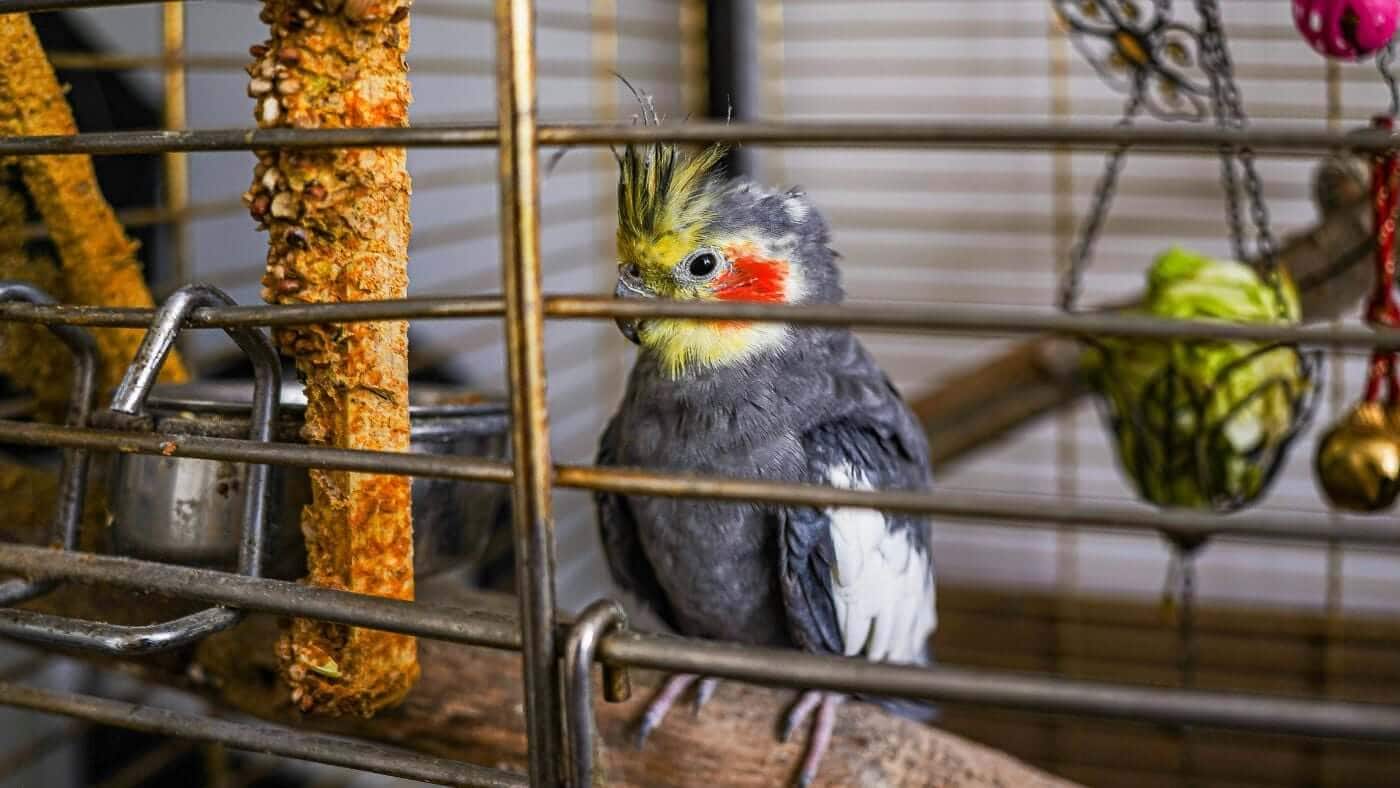
Every rescued or rehomed parrot has a different background. Some have come from loving homes after their previous owner's circumstances changed. Others may have experienced inconsistent routines, limited socialisation, inappropriate handling or several changes of home.
You may know very little about your bird's previous experiences. A raised hand, unfamiliar object or sudden movement might frighten them for reasons you cannot immediately understand. A parrot that appears defensive is not necessarily aggressive or difficult. Biting, retreating, lunging and alarm calling are often ways of creating distance from something the bird perceives as threatening.
Your parrot may also be grieving the loss of familiar people, birds or surroundings. Even when their previous environment was not ideal, it was still familiar. Their new home may be better suited to their needs, but they do not know that yet.
Try not to place expectations on how quickly your parrot should settle. Trust develops through repeated experiences in which your bird learns that you listen to their body language, respect their boundaries and provide what they need.
Rescue Parrot Settling In: What to Do During the First 24 Hours
The first day should be quiet and uneventful. Your parrot has already experienced a major change, so avoid introducing more excitement than necessary.
Prepare the cage before your bird arrives. Place it in a comfortable part of the home where your parrot can see normal family activity without being constantly surrounded. Avoid draughts, direct heat, cooking fumes, excessive noise and busy walkways where people repeatedly pass close to the cage.
Provide familiar food whenever possible. The first day is not the right time to make a sudden dietary change, even when you eventually plan to improve your bird's nutrition. Eating something familiar is more important than immediately eating the perfect diet.
Make sure food and water bowls are easy to find. If you are unsure where your parrot is accustomed to eating, place food in more than one accessible position temporarily.
Sit nearby and speak softly, but do not stare continuously or reach into the cage unnecessarily. Looking directly at a nervous bird for long periods can feel threatening. Spend time in the room doing something calm, such as reading, working or watching television at a low volume.
Your presence should begin to feel ordinary rather than demanding.
Give Your Parrot a Predictable Routine
Consistency helps a nervous parrot understand what will happen next. Try to provide food, fresh water, interaction, cleaning and bedtime at approximately the same times each day.
Before approaching the cage, speak to your bird so that you do not surprise them. Use the same calm phrases when changing bowls, opening the cage or covering part of it at night.
A simple daily routine might include:
- Fresh food and water in the morning.
- A quiet period for eating and observing.
- Gentle interaction without pressure.
- Opportunities for safe play or exploration.
- A consistent evening routine.
- A quiet, dark sleeping environment.
Predictability does not mean every day must be identical. It means your parrot can begin to recognise patterns and learn that their essential needs will be met reliably.
Avoid filling the first week with visitors who want to meet the new bird. Too much attention can be exhausting, particularly when your parrot does not yet have a secure place or trusted person to retreat to.
Let Your Parrot Set the Pace
It can be tempting to begin handling your rescue parrot immediately, especially if you have been told that the bird is tame. However, behaviour can change in a new environment. A parrot that willingly stepped up for a previous owner may be reluctant to do so for someone unfamiliar.
Start by observing your bird's body language.
Relaxed signs may include:
- Eating while you are nearby.
- Preening in your presence.
- Standing on one foot.
- Exploring the cage.
- Playing with toys.
- Making gentle sounds.
- Approaching the side of the cage voluntarily.
Signs that your parrot needs more space may include:
- Leaning away from you.
- Moving rapidly to the opposite side of the cage.
- Freezing when you approach.
- Holding the feathers tightly against the body.
- Opening the beak or lunging.
- Alarm calling.
- Repeatedly trying to escape.
When your bird asks for space, step back. This teaches them that they do not need to bite or panic to make you listen.
Respecting a warning is not rewarding bad behaviour. It is showing your parrot that communication works.
Build Trust Through Positive Associations
Food can be a useful way to begin building trust, but it should never be used to pressure or deprive your bird.
Identify a small treat your parrot enjoys and offer it when you approach. At first, you may need to place the treat in a bowl and move away. As your bird becomes more comfortable, they may accept it through the cage bars or directly from your hand.
Avoid moving the treat closer and closer until your parrot is forced beyond their comfort level. Let them decide whether to approach.
You can also create positive associations by speaking gently, offering favourite toys and stopping interactions before your bird becomes overwhelmed. Short, successful exchanges are more valuable than long sessions that end in fear or frustration.
Over time, your parrot may begin approaching when they see you because your presence predicts something pleasant and safe.
Introduce Hands and Step-Up Training Gradually
Many rescue parrots are nervous around hands. Some may have been grabbed, chased or restrained in the past, while others simply have not learned that hands can be safe.
Begin by keeping your hands visible without moving them towards the bird. Rest a hand on the outside of the cage while speaking softly, remaining far enough away that your parrot stays relaxed.
Once your bird is comfortable, you can gradually offer treats from your fingers. Later, you may introduce a handheld perch if your parrot is more comfortable stepping onto an object than onto a hand.
Do not chase your parrot around the cage or repeatedly push against their body to force a step-up. Forced interactions may achieve a temporary result, but they can damage trust and make future handling more difficult.
Training should feel like a conversation. Offer the opportunity, watch your bird's response and reward voluntary participation.
Avoid Overwhelming the Cage With New Items
Toys, perches and enrichment are essential for a parrot's wellbeing, but adding too many unfamiliar objects at once may frighten a cautious bird.
Start with a simple, comfortable cage layout. Include stable perches of suitable sizes, accessible bowls and a few toys that are easy to understand.
If your parrot arrives with familiar toys or perches that are safe and in good condition, keeping some of them can provide reassurance.
Introduce new toys outside the cage first. Place them where your parrot can observe them from a distance. Gradually move them closer over several days, rewarding calm behaviour.
Foraging can be introduced in the same way. Start with treats placed somewhere obvious before progressing to puzzles that require more investigation. A bird that is still afraid to move around the cage is unlikely to benefit from a complicated foraging challenge.
Create a Safe Place to Retreat
Your parrot should be able to move away from activity rather than feeling exposed on every side.
Positioning one side of the cage near a wall can help provide a sense of security. You can also cover part of the cage temporarily, provided there is still good ventilation and your bird can choose between a sheltered and open area.
Avoid placing the cage in the centre of a busy room, directly beside a television or next to a door that opens unexpectedly.
A quiet retreat becomes especially important when visitors arrive, children are playing or household routines become noisy. Your parrot should not be expected to participate in every activity simply because they are part of the family.
Support Healthy, Restful Sleep
A parrot that is not sleeping properly may become more fearful, irritable or reactive.
Provide a consistent bedtime and a quiet, dark environment suited to your bird's species and normal routine. Reduce television noise, conversations and bright lighting around the cage during sleeping hours.
Some rescue parrots become frightened when fully covered, particularly if they are not accustomed to it. Others settle more easily with a cover. Introduce any cover gradually and observe your bird's response rather than assuming one method suits every parrot.
A small night light may help birds that experience night frights, although the room should still remain calm and dim.
Use Calming Support as Part of the Plan

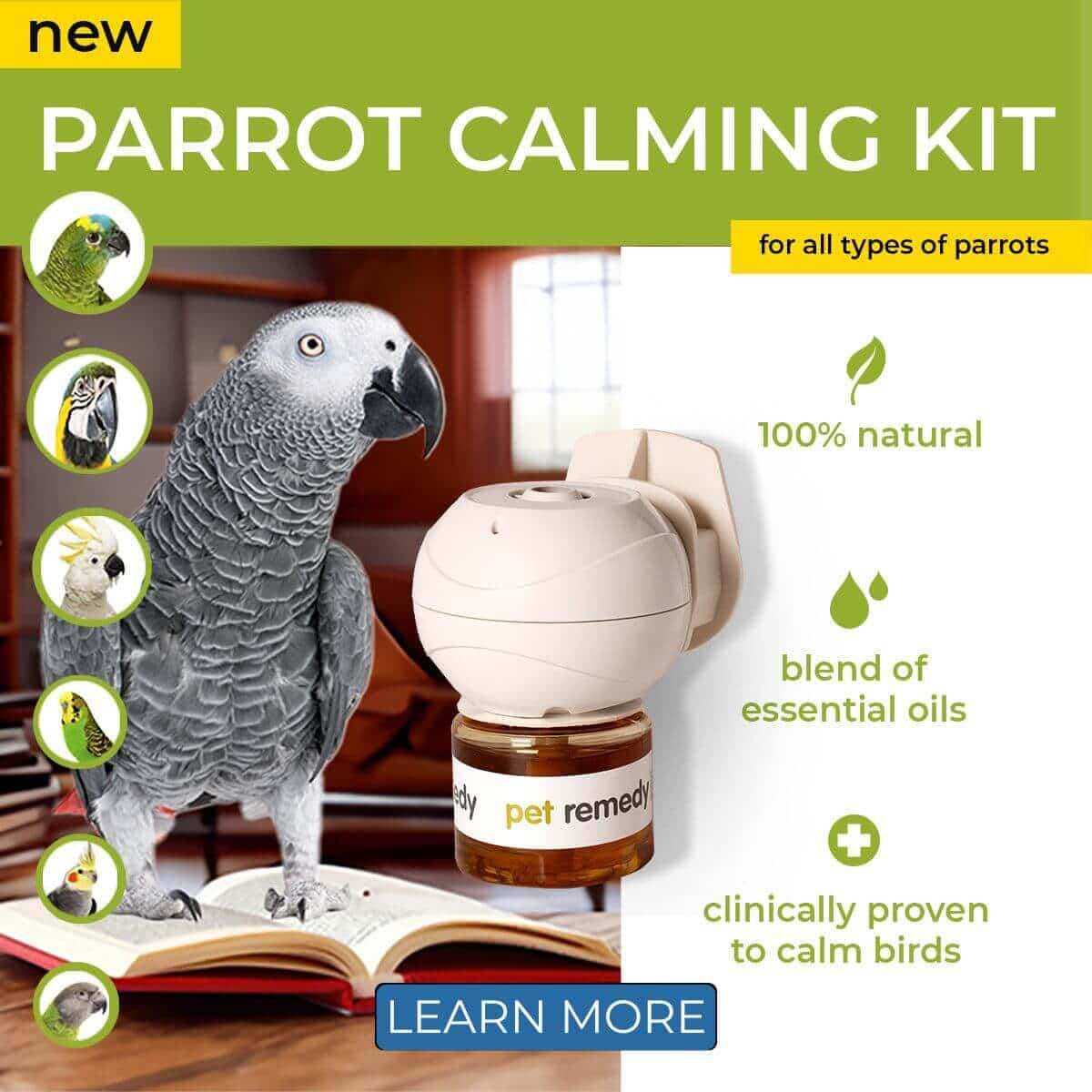
Environmental calming support may be helpful when your parrot is adjusting to unfamiliar surroundings. The Parrot Essentials Pet Remedy Parrot Calming Kit can be used to help create a calmer atmosphere during stressful situations.
The kit includes a plug-in diffuser for ongoing support in the home and a small calming spray that can be useful during travel or other temporary changes. It is designed to provide gentle support and help your bird feel less reactive without sedation.
For a rescue parrot settling in, the diffuser may be particularly helpful during the early adjustment period, when almost everything in the home is unfamiliar. It can also provide additional support when introducing a new cage, receiving visitors or managing changes to the household routine.
A calming product should not be used as a substitute for suitable housing, patient training, adequate sleep, enrichment or veterinary attention. It works best as one element of a thoughtful settling-in plan.
Always follow the product instructions and continue paying close attention to your parrot's individual response.
Keep the Diet Familiar Before Making Improvements
You may discover that your rescue parrot has been eating a limited or unbalanced diet. Although you may be eager to introduce pellets, vegetables, sprouted foods and healthier treats, an immediate and complete change can create additional stress.
Find out what your parrot was previously eating and provide enough familiar food to encourage a normal appetite. You can then begin offering healthier foods alongside the established diet.
Make changes slowly and monitor what your parrot actually eats rather than what disappears from the bowl. Parrots may throw, crumble or investigate food without consuming much of it.
Never remove a familiar diet suddenly in an attempt to force a bird to eat something new. Speak to an avian vet before making significant changes, particularly if the bird is underweight, unwell or has an unknown medical history.
Arrange an Avian Veterinary Check
A health examination is an important part of welcoming a rescued or rehomed parrot. Some health problems are difficult to recognise at home, and changes in behaviour should not automatically be attributed to stress.
Arrange an appointment with an avian vet, especially when the bird's medical history is incomplete. Your vet can assess the bird's general condition, weight, diet and any concerns related to their previous care.
Contact an avian vet promptly if your parrot stops eating, shows a significant change in droppings, appears unusually weak or lethargic, loses balance or has difficulty breathing. Birds may conceal illness, so visible symptoms should be taken seriously.
Try to avoid scheduling unnecessary stressful activities immediately after arrival, but do not postpone veterinary care when you have a health concern.
Introduce Other Birds Carefully
If you already have parrots, do not place the new bird directly beside them or allow immediate physical contact.
A newly arrived parrot should initially be housed separately. Follow your avian vet's advice about quarantine, testing and hygiene before allowing the birds to share the same room or interact.
Once veterinary precautions have been completed, introductions should still happen gradually. Allow the birds to hear one another before placing their cages within sight. Watch for signs of fear, territorial behaviour or overstimulation.
Never assume two parrots will become friends simply because they are the same species. Each bird should have their own cage, resources and opportunity to move away.
Do Not Rush Out-of-Cage Time
Before opening the cage, make sure the room is safe. Close windows and doors, cover mirrors if necessary, switch off ceiling fans and remove access to hot surfaces, open water, toxic plants and other pets.
Consider whether your parrot can return to the cage without being chased. If the bird is not yet stepping onto a hand or perch, an unplanned release may end with a stressful struggle.
You can begin by opening the cage door and allowing your parrot to decide whether to come out. Attach a stable perch near the entrance and place familiar treats nearby.
Some birds emerge quickly. Others remain inside for several days while they study the room. Both choices are acceptable.
The cage should remain a secure home base, not a place associated with punishment or forced confinement.
Expect Progress to Be Uneven
Trust rarely develops in a straight line. Your parrot may accept a treat one day and refuse it the next. They may appear relaxed in the morning but become frightened by a new object later.
A difficult day does not mean the relationship has failed.
Changes in lighting, clothing, household noise, sleep, hormones and unfamiliar experiences can all affect how secure a bird feels. Look for progress over weeks rather than judging every individual interaction.
Useful signs of improvement include:
- Eating comfortably while you are present.
- Recovering more quickly after a sudden noise.
- Exploring new areas of the cage.
- Showing curiosity instead of immediately retreating.
- Accepting treats more consistently.
- Choosing to move closer to you.
- Playing, preening and vocalising normally.
Keep a simple diary if you are unsure whether progress is happening. Small changes are easier to notice when you can compare them over time.
Common Mistakes to Avoid
Trying to Prove That You Are Not Frightening
Moving closer when your bird retreats does not show them that you are safe. It shows them that their attempts to create distance are being ignored.
Forcing Physical Contact
A parrot does not need to be touched to begin forming a bond. Start with calm companionship and voluntary interaction.
Allowing Everyone to Approach the Cage
Too many people offering attention can make a new bird feel surrounded. Introduce family members gradually.
Punishing Fearful Behaviour
Shouting, tapping the cage, spraying water or reacting dramatically to a bite increases uncertainty and damages trust.
Expecting Gratitude
Your parrot does not understand that they have been rescued or that your intentions are good. Safety must be demonstrated through your actions.
Changing Everything Immediately
A new cage, different food, unfamiliar toys, a new routine and constant handling may be too much at once. Make essential improvements while preserving safe familiarities where possible.
How Long Will It Take Your Rescue Parrot to Settle?
There is no fixed timetable.
Some parrots begin eating, playing and approaching their new owners within days. Others need several weeks before they feel comfortable leaving the cage. Birds with a long history of fear or repeated rehoming may need months before they show consistent trust.
Success should not be measured only by whether your parrot steps onto your hand or allows physical contact. A bird that begins eating confidently, resting properly, playing and communicating their boundaries is already making meaningful progress.
Focus on building security first. Affection and training are far more likely to follow when your parrot feels safe enough to make voluntary choices.
Final Thoughts on a Rescue Parrot Settling In
Helping a rescue parrot settle into a new home requires patience, observation and realistic expectations. You cannot change your bird's past, but you can control what happens from this point forward.
Provide a calm environment, maintain a predictable routine and introduce new experiences gradually. Respect your parrot's body language, reward voluntary interaction and seek veterinary advice when behaviour or physical health causes concern.
Products such as the Pet Remedy Calming Kit can offer additional environmental support, particularly during the first days and other periods of change. However, the most powerful source of reassurance will always be the repeated experience of being treated with patience and respect.
When you have a rescue parrot settling in, progress may initially appear slow. Continue creating small, positive experiences without forcing the relationship. Every calm interaction teaches your bird that their new home is safe, their choices matter, and they can begin to trust again.
For more parrot care advice, product guides and helpful information, visit the Parrot Essentials Blog.