Swift Parrot Conservation: Protecting Australia's Critically Endangered Migratory Parrot
Swift parrot conservation is becoming increasingly important as this Critically Endangered Australian parrot continues to face habitat loss, introduced predators and other pressures across its range. The Swift Parrot (Lathamus discolor) is a small, brightly coloured bird that undertakes an extraordinary seasonal journey between Tasmania and mainland Australia in search of flowering eucalyptus forests.
Unfortunately, this highly specialised lifestyle also leaves the species vulnerable. The Swift Parrot is listed as Critically Endangered under Australia's Environment Protection and Biodiversity Conservation Act, and the population continues to decline. Swift parrot conservation now depends on protecting suitable habitat across a huge range while tackling serious threats on the birds' Tasmanian breeding grounds.
What Is A Swift Parrot?
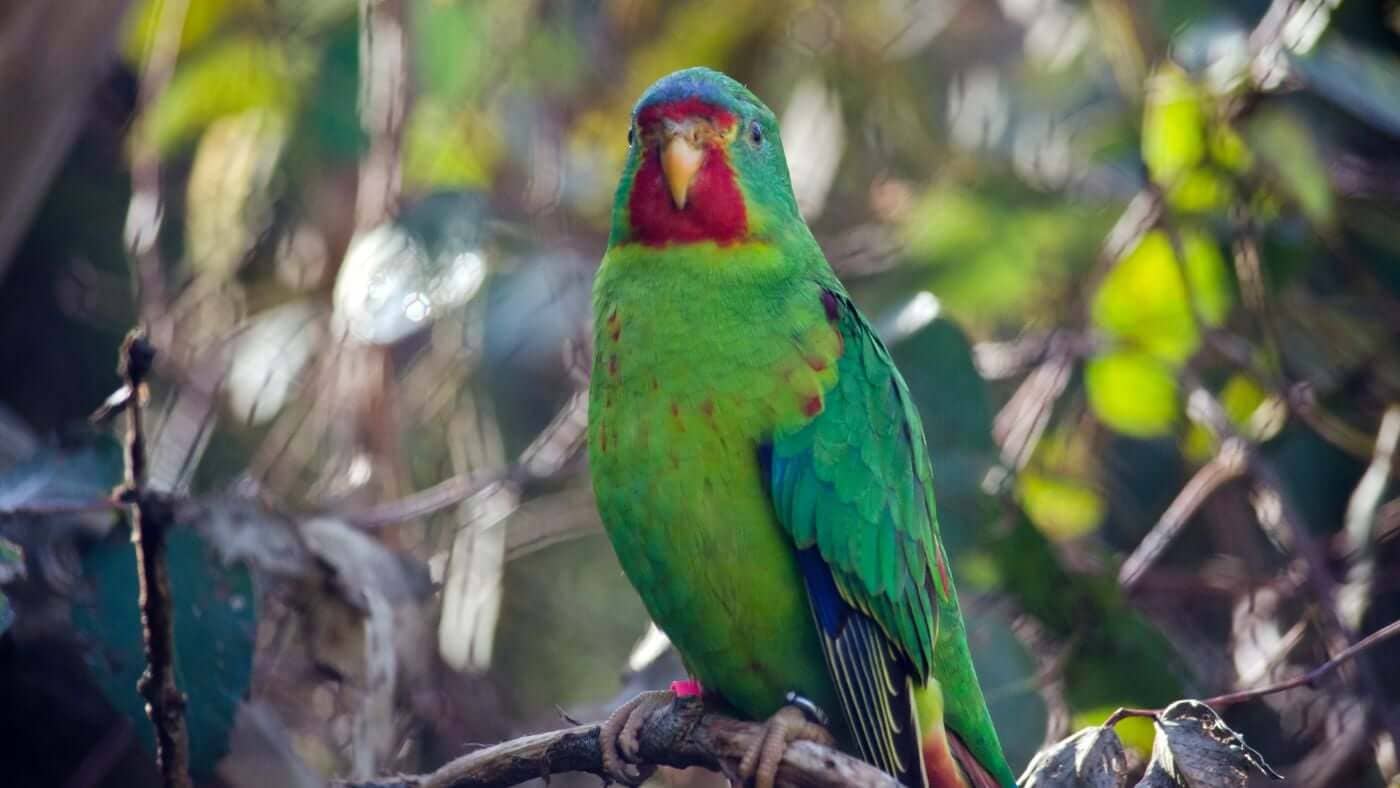
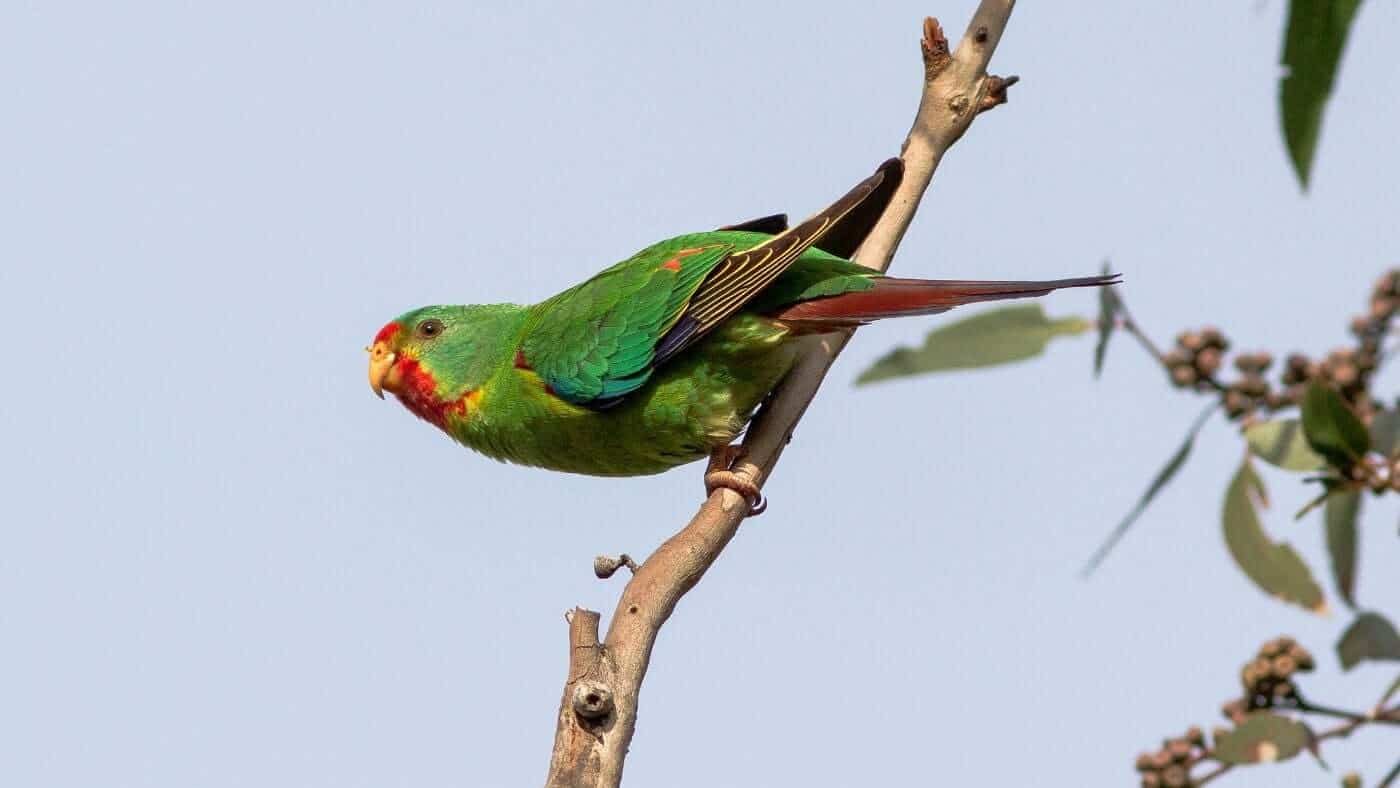
The Swift Parrot is a small migratory parrot weighing around 60 to 80 g. Its plumage is predominantly bright green, with red markings across the forehead, face, throat and shoulders, yellow bordering parts of the face, blue on the crown and wings, and a long pointed red-purple tail.
Its narrow, pointed wings and streamlined body are well suited to fast, direct flight.
Swift Parrots mainly feed on nectar from flowering eucalyptus trees, along with psyllids and their sugary lerp coverings. They may also eat seeds, flowers and some fruit.
An Extraordinary Migration Across Australia
The Swift Parrot is one of the world's few genuinely migratory parrots.
Most of the population breeds in Tasmania during spring and summer. Birds generally begin returning from mainland Australia in August, with nesting taking place mainly between September and January and sometimes continuing into February.
After the breeding season, birds move north during February and March and disperse across Victoria, New South Wales and the Australian Capital Territory. Some travel as far as southern Queensland and South Australia.
Recent Tasmanian Government information also notes that there is evidence some Swift Parrots may remain in Tasmania rather than migrating during certain years.
Once on mainland Australia, they become semi-nomadic. Instead of returning to exactly the same feeding grounds every year, they move according to where suitable trees are flowering, and food is available.
This makes conservation particularly difficult. Protecting a single forest or reserve cannot protect a bird that depends on many different landscapes throughout the year.
How Many Swift Parrots Are Left?
Knowing exactly how many Swift Parrots remain is difficult.
Their migration, nomadic feeding behaviour and changing use of habitat make conventional population surveys challenging.
The Tasmanian Government's latest information, published in August 2026, says expert consensus suggests there may be as few as 750 mature individuals, with a plausible range of approximately 300 to 1,000 mature birds. The population trend is declining.
BirdLife Australia reports a slightly different estimate. The Swift Parrot Recovery Team currently places the population at approximately 750 to 1,500 individuals. BirdLife notes that the most recent published estimate in the Action Plan for Australian Birds 2020 was 750 individuals.
These estimates should not be treated as contradictory exact counts. Population estimates for such a mobile species contain considerable uncertainty, and figures referring to mature birds are not necessarily directly comparable with estimates of the overall population.
What is clear is that the species remains in serious trouble.
The Swift Parrot is officially listed as Critically Endangered under Australia's EPBC Act and is also classified as Critically Endangered by the IUCN.
Why Is The Swift Parrot Critically Endangered?
There is no single cause behind the decline.
The Australian Government's current National Recovery Plan identifies two principal threats:
- Predation by introduced Sugar Gliders.
- Habitat loss and degradation.
Other recognised threats include competition for food and nesting resources, collisions with human-made structures and the effects of climate change.
The latest Tasmanian Government assessment also stresses that these threats can interact. Their cumulative effect may therefore be much greater than any individual threat considered in isolation.
Habitat Loss Across Their Range
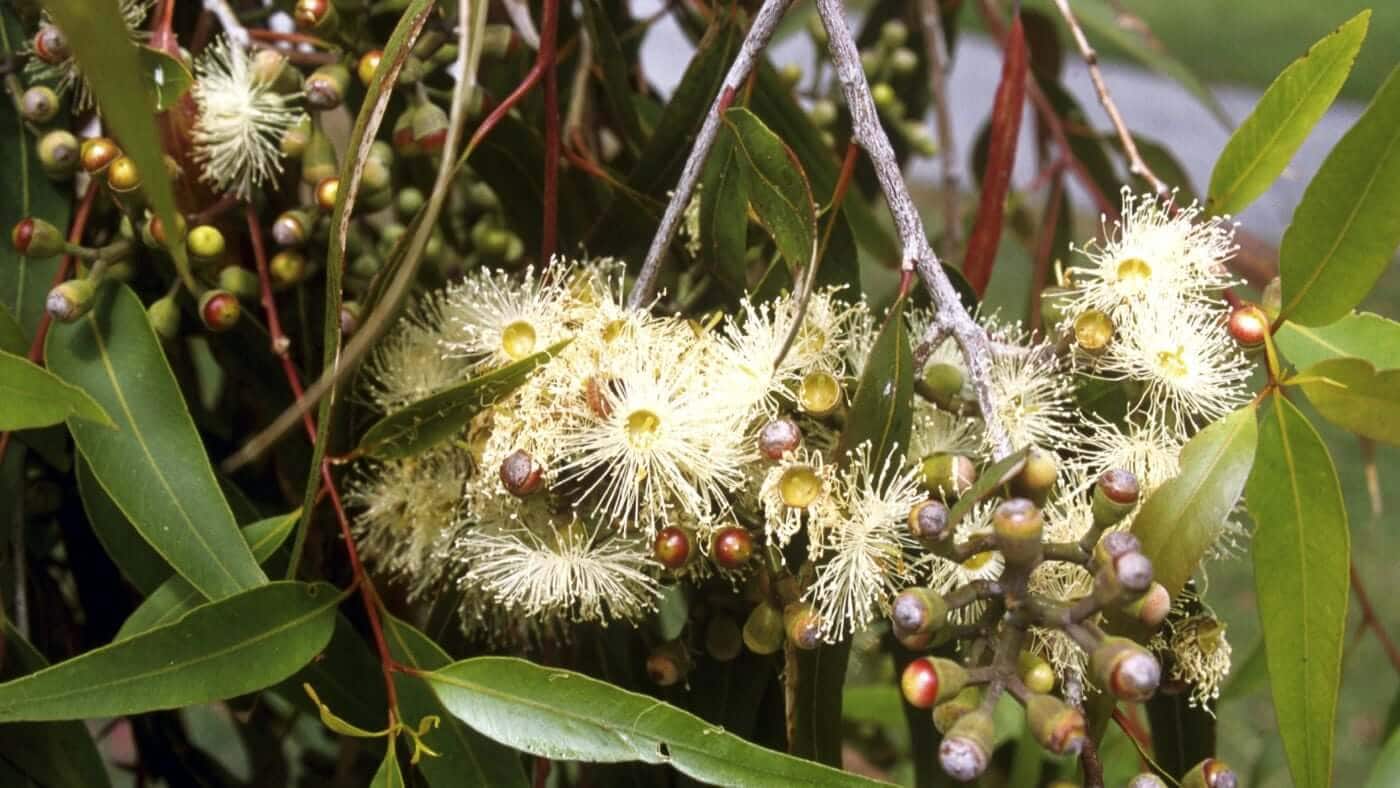
Suitable eucalyptus habitat is at the heart of swift parrot conservation.
During breeding, Swift Parrots need two things relatively close together: abundant flowering trees for food and mature eucalyptus trees containing suitable nesting hollows.
In Tasmania, important food trees include Tasmanian Blue Gum (Eucalyptus globulus) and Black Gum (Eucalyptus ovata). Brooker's Gum (Eucalyptus brookeriana) can also provide important food in some areas.
The difficulty is that flowering varies considerably between locations and years. A productive breeding area one year may provide very little food the next.
Habitat across the Swift Parrot's Tasmanian and mainland range has historically been lost or degraded through agriculture, urban development, timber harvesting, illegal firewood collection, tree clearing and wildfire.
Loss of mature trees is particularly serious because suitable nesting hollows can take many decades to develop.
Planting new trees is important for future habitat, but it cannot immediately replace an old hollow-bearing eucalyptus.
Swift Parrot Conservation And Sugar Gliders
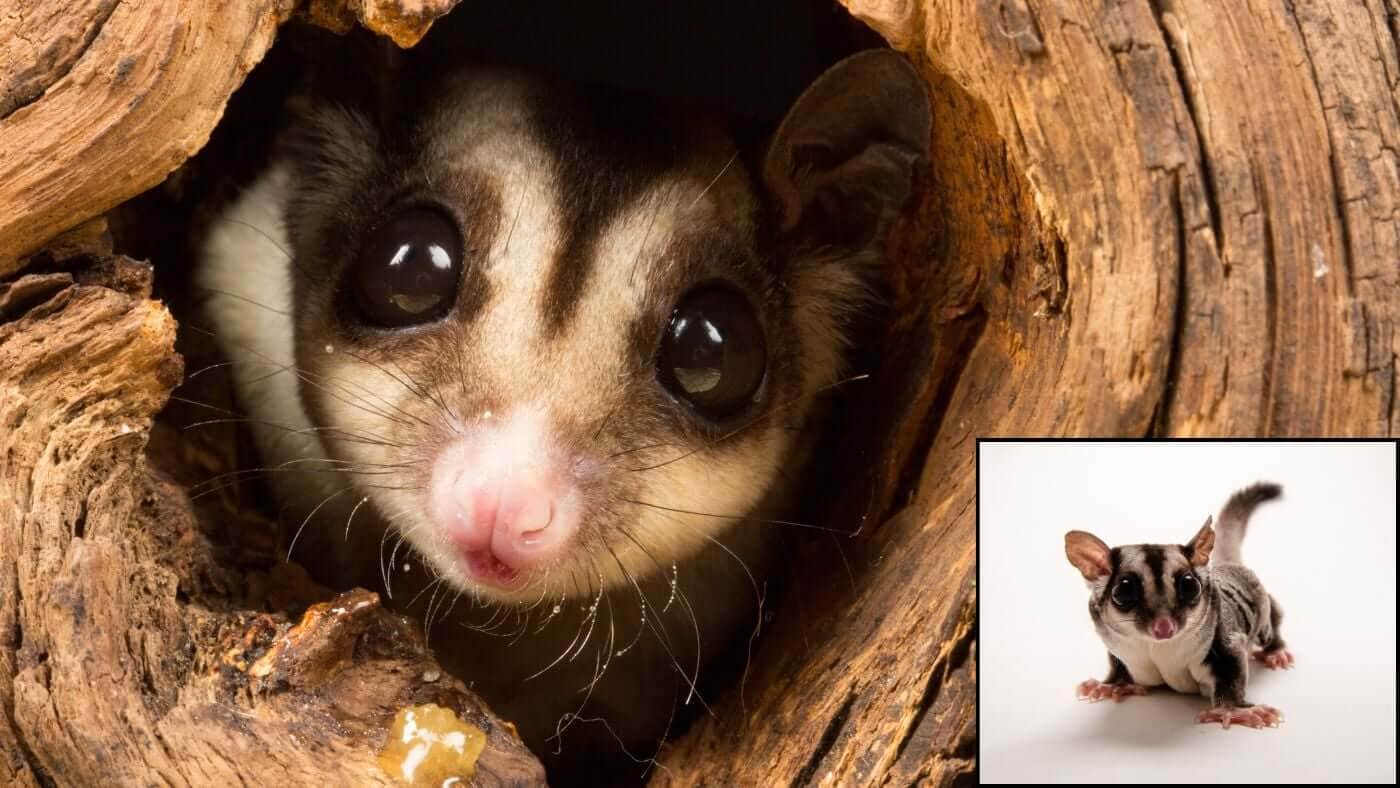
One of the most serious threats facing breeding Swift Parrots comes from an animal that is native to mainland Australia but was introduced to Tasmania: the Sugar Glider.
Sugar Gliders use tree hollows themselves and can prey on nesting Swift Parrots, including eggs, chicks and adults.
This is especially damaging when breeding females are killed because the loss affects not only the current nest but also the female's potential contribution to future breeding seasons.
The Australian Government identifies Sugar Glider predation as one of the two main threats to the survival of the species.
Location makes an enormous difference.
Bruny Island is free from Sugar Gliders and consequently provides an important refuge for nesting Swift Parrots. Protecting suitable habitat in predator-free areas can therefore give breeding birds a much better chance of raising young successfully.
Why Flowering Eucalyptus Matters So Much
Swift Parrots follow food.
In Tasmania, their breeding distribution can change according to flowering conditions. The latest government information explains that the distribution and intensity of Blue Gum and Black Gum flowering strongly influence whether an area is used for nesting in a particular year.
This behaviour was clearly visible during recent monitoring.
During the 2024/25 breeding season, flowering Blue Gum was relatively patchy or light, while Black Gum and Brooker's Gum produced more abundant flowering in some regions. Monitoring found that Swift Parrot distribution broadly followed these food resources, with a large proportion of the population settling in Tasmania's Eastern Tiers and significant breeding activity detected there.
This ability to move helps the parrots respond to changing conditions, but it also means conservationists need to protect a network of potential habitats rather than concentrating exclusively on places occupied in any single year.
What Is Being Done To Protect Swift Parrots?
Australia's current National Recovery Plan for the Swift Parrot came into effect on 30 April 2024 and replaced the previous 2011 plan.
It was developed with the Tasmanian, Victorian and Queensland governments, the National Recovery Team for the Swift Parrot, conservation specialists and other stakeholders.
The aim is to stop the decline and maximise the species' chances of surviving in the wild.
Current conservation priorities include protecting and improving habitat, reducing the effects of Sugar Glider predation, improving monitoring and addressing other threats across the species' migratory range.
Tasmania also delivered a dedicated Swift Parrot Recovery Project between 2021 and 2025. Its work has contributed to current conservation efforts.
Among its achievements and activities were improved population monitoring, habitat prioritisation, genetic research and habitat protection.
Protecting Habitat On Bruny Island
Bruny Island has become particularly important for swift parrot conservation because it contains valuable breeding habitat while remaining free from Sugar Gliders.
The Tasmanian Swift Parrot Recovery Project identified more than 30,000 hectares of suitable breeding habitat around Bruny Island and nearby coastal areas, including approximately 16,000 hectares of unreserved private land.
Approximately 260 hectares of important Swift Parrot habitat were protected in perpetuity through conservation covenants.
Habitat enhancement work also included the strategic planting of 1,600 forage trees, selected partly to improve flowering reliability and resilience under warmer and drier conditions.
These projects demonstrate why conservation on private land can be just as important as protecting habitat inside national parks and reserves.
Climate Change Adds Another Layer Of Risk
Climate change is recognised in Australia's National Recovery Plan as another threat to Swift Parrots.
Changes in rainfall can affect flowering and nesting success, while an increasing frequency or intensity of wildfires can damage food trees and old nesting habitat.
For a bird that depends on finding flowering eucalyptus forests over such a wide area, disruption to the timing and availability of food could have significant consequences.
This is another reason protecting a wide range of habitat is important. A larger network of healthy forests gives the birds more options when conditions are poor in one location.
Monitoring The Swift Parrot Population
Monitoring is essential, but it is far from straightforward.
Long-term Tasmanian monitoring has confirmed an overall decline, although analysis of data from 2009 to 2022 suggested that the decline may not have been quite as rapid as predicted by an earlier 2022 population viability analysis.
There have also been occasional encouraging results.
Monitoring during the 2023/24 breeding season recorded a slight increase in abundance at monitored sites and observations of adults and fledglings in southern Tasmania. Researchers cautioned, however, that additional years of data were needed before this could be interpreted as a meaningful change in the overall trend.
That distinction is important. A successful breeding season does not mean the species has recovered.
Long-term trends matter far more than a single good year.
How You Can Help Swift Parrots
Citizen science continues to play a useful role in swift parrot conservation.
BirdLife Australia's organised Swift Parrot Search is paused during 2026 while the organisation evaluates five years of survey data and its monitoring methods.
However, birdwatchers are still being encouraged to report Swift Parrot sightings through BirdLife's Birdata platform. These records help identify important habitat, understand population movements and provide evidence when areas used by the species may be affected by development.
If you live or travel within their range, you can help by:
- Learning how to identify Swift Parrots accurately.
- Recording confirmed sightings.
- Reporting observations through Birdata.
- Supporting organisations protecting native eucalyptus woodland.
- Retaining mature native trees where it is safe and appropriate to do so.
- Encouraging responsible habitat restoration.
- Sharing reliable information about threatened Australian parrots.
Individual actions alone will not solve the problem, but good observations and public support can contribute to much larger conservation programmes.
Why The Swift Parrot Matters
The Swift Parrot's story demonstrates why conserving migratory wildlife is so complicated.
A single bird may depend on nesting hollows in Tasmania, flowering eucalyptus several kilometres away, safe breeding habitat without Sugar Gliders and completely different feeding forests on mainland Australia later in the year.
Those locations can change the following year again.
Protecting the Swift Parrot therefore means thinking beyond individual reserves. The species needs connected networks of suitable habitat across several Australian states and territories.
It also reminds us why old forests are so valuable. A mature hollow-bearing tree represents habitat that cannot simply be recreated overnight.
The Future Of Swift Parrot Conservation
The Swift Parrot remains in an extremely vulnerable position. Current government assessments continue to describe a declining population, and there is no justification for assuming the species is safe simply because individual breeding seasons sometimes produce encouraging results.
However, swift parrot conservation is supported by something extremely important: scientists and conservation managers increasingly understand where these birds travel, what they eat, where they breed and which threats have the greatest impact.
Protecting mature eucalyptus forests, restoring future feeding habitat, safeguarding important breeding areas, reducing Sugar Glider predation and improving long-term monitoring all have a role to play.
For you, learning about the Swift Parrot and sharing accurate information can also help keep attention on a species that urgently needs it.
Successful swift parrot conservation will require coordinated action across Tasmania and mainland Australia for many years to come. If those efforts continue and the habitats these remarkable parrots depend upon are protected, there is still an opportunity to keep their extraordinary migration alive for future generations.
FAQs
Why is the Swift Parrot critically endangered?
The Swift Parrot is critically endangered mainly because of habitat loss and predation by introduced Sugar Gliders in Tasmania. Climate change, competition for resources and collisions also add pressure.
How many Swift Parrots are left?
Current estimates vary because the species is difficult to count. Recent sources suggest there may be roughly 750 mature birds, with broader estimates ranging from a few hundred to around 1,500 individuals.
Where do Swift Parrots live?
Swift Parrots breed mainly in Tasmania and then move to mainland Australia, especially Victoria, New South Wales and the Australian Capital Territory.
What do Swift Parrots eat?
They mainly feed on nectar from flowering eucalyptus trees. They also eat psyllids, lerps, seeds, flowers and some fruit.
What is being done for swift parrot conservation?
Conservation work includes protecting mature eucalyptus forests, restoring feeding habitat, reducing Sugar Glider predation, monitoring populations and protecting important breeding areas.