7 Common Parrot Diseases and How to Prevent Them
Parrot diseases are surprisingly common because pet birds live in a human-made environment that can introduce stress, dietary gaps, poor air quality, and infectious agents. The good news? Most problems can be avoided. The clearest way to prevent common parrot diseases is to focus on everyday husbandry: a balanced pellet-based diet, proactive vet care, excellent hygiene, and plenty of mental and physical enrichment. Do these consistently and you'll prevent far more than you'll ever need to treat.
The 3 Ps of Prevention: Proper diet, Proactive vet care, and Plenty of enrichment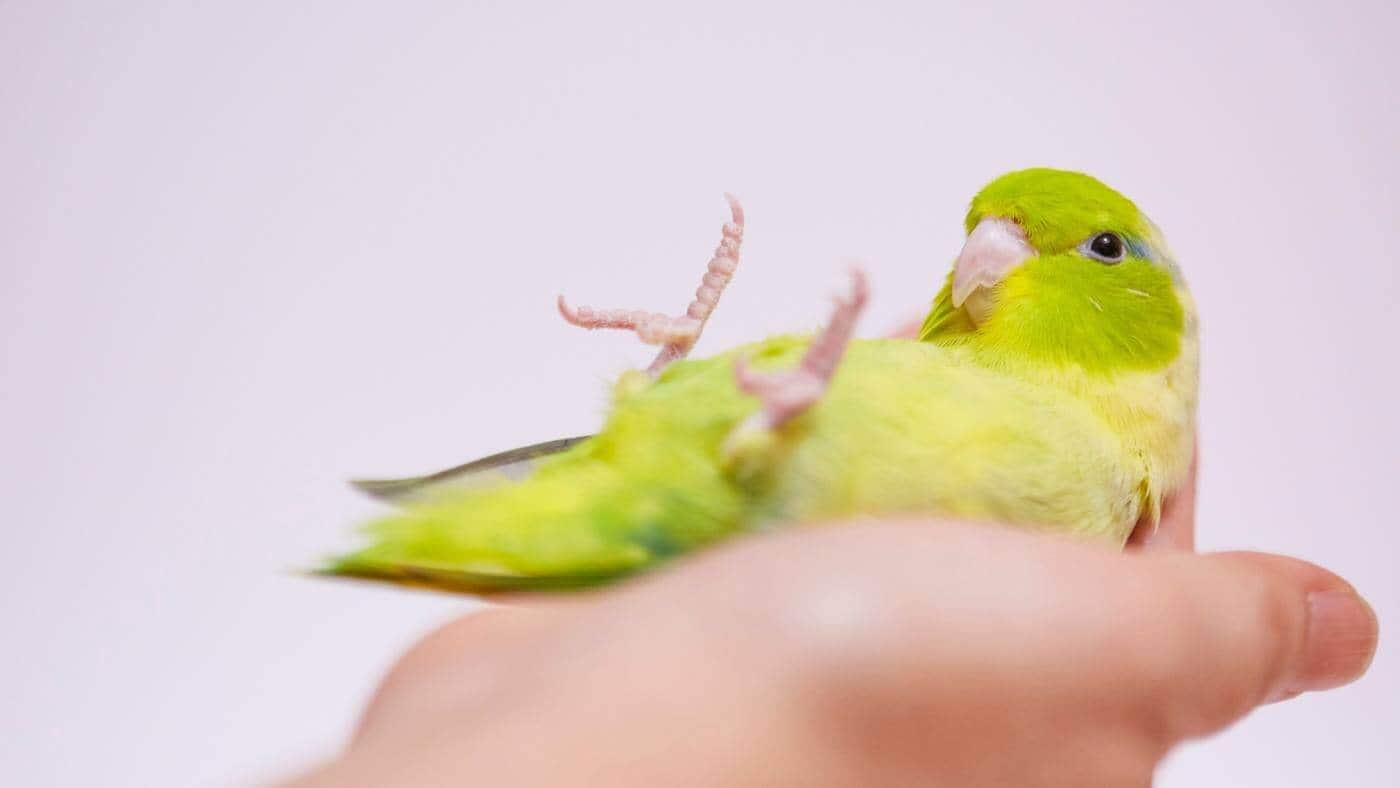
- Proper diet: Seed-only diets are a fast track to vitamin deficiencies and fatty liver disease. Aim for a high-quality pellet as the foundation (Askio Nature or Hagen pellets are reliable choices), plus leafy greens, vegetables, a little fruit, and measured healthy treats.
- Proactive vet care: Annual (or twice-yearly for seniors) wellness checks with an avian vet, routine weight monitoring, and quarantining new birds reduce the risk of parrot diseases dramatically.
- Plenty of enrichment: Foraging toys, chewables, and varied perches reduce stress and boredom, the root of many behavioural and secondary health issues. Enrichment protects bodies and minds.
Below are seven common parrot diseases you're most likely to encounter and how to keep your bird safe.
Psittacosis in Parrots (Chlamydophila psittaci)
What it is: A bacterial infection that can affect many parrot species and can, in rare cases, pass to humans. It is often linked to poor hygiene, stress, and exposure to infected birds.
Key signs
- Lethargy, fluffed-up posture
- Nasal or eye discharge, sneezing
- Green, watery droppings
- Breathing difficulty, weight loss
Simple prevention
- Quarantine new birds for a minimum of 30 days and have an avian vet test when appropriate.
- Maintain strict cage and room hygiene; clean food and water bowls daily.
- Reduce stress with consistent routines and enrichment toys.
- Book regular wellness checks, because early detection makes all the difference.
Note: Never self-medicate. Psittacosis needs prescribed treatment and follow-up testing.
Aspergillosis in Parrots (Fungal Respiratory Disease)
What it is: A fungal infection of the respiratory system caused by inhaling spores, often from damp, dusty or mouldy environments. Chronic stress and poor ventilation increase susceptibility.
Key signs
- Laboured breathing, tail-bobbing
- Voice changes, wheezing
- Poor stamina, weight loss
- Reduced appetite
Simple prevention
- Keep the environment clean, dry, and well ventilated; remove any damp bedding or mouldy food immediately.
- Avoid dusty substrates; consider regular misting or showers to support airway health.
- Offer exercise and flight time, which supports respiratory function.
- Feed a balanced pellet base (for example, Askio Nature or Hagen) with fresh veg to support immunity.
Feather Plucking and Stress in Parrots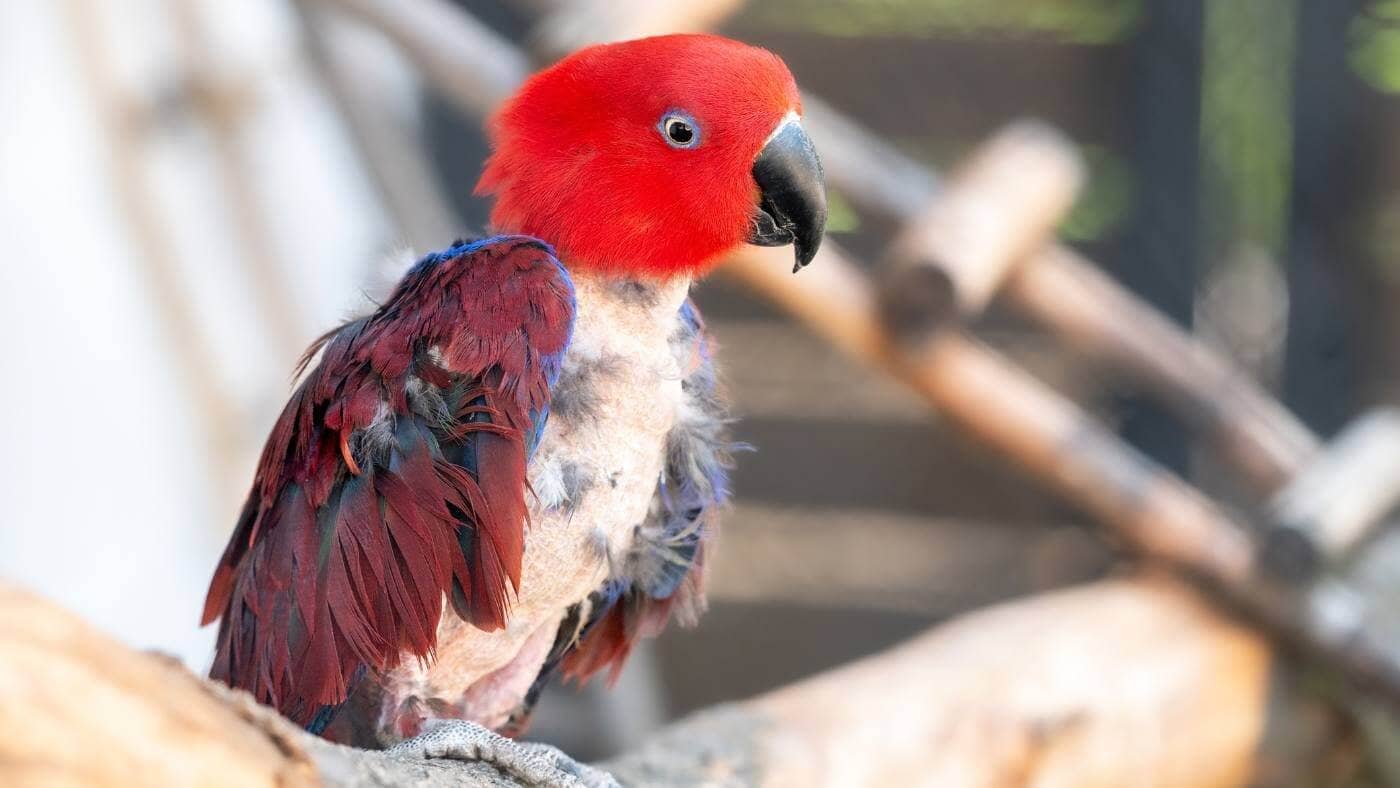
What it is: Not a single disease but a common, multifactorial condition. Boredom, anxiety, pain, skin infections, parasites, and nutrition all play a part. Plucking can become a habit if underlying causes aren't addressed.
Key signs
- Chewed or broken feathers; bald patches
- Restlessness, vocal changes
- Over-preening, skin irritation
Simple prevention
- Enrich daily with foraging toys, chew toys, and training games; rotate toys to keep interest high.
- Support calm during routine changes with gentle, vet-approved calming options (many owners find products like Casozen helpful during fireworks or house moves).
- Provide regular bathing and natural sunlight (or safe full-spectrum lighting) to support skin and feather health.
- Ensure veterinary assessment to rule out medical triggers like pain, parasites, or infection.
- Base the diet on quality pellets and add omega-rich foods in moderation for skin and feather support.
Fatty Liver Disease (Hepatic Lipidosis in Parrots)
What it is: Excess fat accumulates in the liver, often due to seed-heavy diets and low activity. Budgies, Amazons, cockatiels, and Quakers are especially at risk.
Key signs
- Obesity or sudden lethargy
- Overgrown or flaky beak and nails
- Poor feather quality; greasy droppings
- Reduced stamina and appetite
Simple prevention
- Transition to pellet-first feeding (Askio Nature or Hagen) with leafy greens and vegetables daily.
- Use foraging feeders and puzzle toys to slow eating and increase activity.
- Monitor weight weekly with a perch scale; aim for gradual, vet-guided weight change if needed.
- Limit high-fat treats (sunflower, peanuts) to occasional rewards only.
Hypovitaminosis A (Vitamin A Deficiency in Parrots)
What it is: One of the most frequent nutritional problems in seed-fed parrots. Vitamin A is essential for healthy skin, feathers, eyes, and the lining of the mouth and respiratory tract.
Key signs
- Dull plumage; flaky skin
- White plaques in the mouth; nasal discharge
- Recurrent respiratory or sinus infections
- Poor appetite or picky eating
Simple prevention
- Make pellets the staple to provide consistent micronutrients.
- Add beta-carotene rich veg (carrot, sweet potato, pumpkin, red pepper, leafy greens).
- Where appropriate, consider vet-approved multivitamin support (for example, reputable brands like Vetark) if advised by your avian vet.
- Keep water bowls and fresh foods scrupulously clean to avoid secondary infections in irritated tissues.
Bumblefoot (Pododermatitis in Parrots)
What it is: Inflammation and sores on the feet, usually from standing on uniform, abrasive, or dirty perches; exacerbated by obesity, inactivity, and poor hygiene.
Key signs
- Redness, swelling, shiny or scabbed areas on the foot pad
- Reluctance to perch or move
- Lameness or favouring one foot
Simple prevention
- Offer a variety of perch textures and diameters such as natural wood branches, rope, and soft-rest perches.
- Keep perches clean and dry; replace worn rope perches before fraying becomes hazardous.
- Encourage daily movement with play gyms and climbing toys.
- Maintain a healthy weight with pellet-first feeding and controlled treats.
Giardiasis and Intestinal Parasites in Parrots
What it is: Giardia is a microscopic parasite that can affect parrots, especially smaller species. It irritates the gut and can lead to itching and feather issues, sometimes triggering plucking.
Key signs
- Intermittent diarrhoea or loose droppings
- Weight loss despite eating
- Itchy skin; plucking around the chest and underwings
- General malaise
Simple prevention
- Provide fresh, clean water daily; wash bowls with hot water and mild detergent.
- Don't allow food to become damp or contaminated; remove fresh items after a few hours.
- Test and treat through your avian vet, especially if you keep multiple birds.
- Reduce stress with consistent routines and enrichment, as stress can tip the balance toward illness.
Putting Prevention Into Practice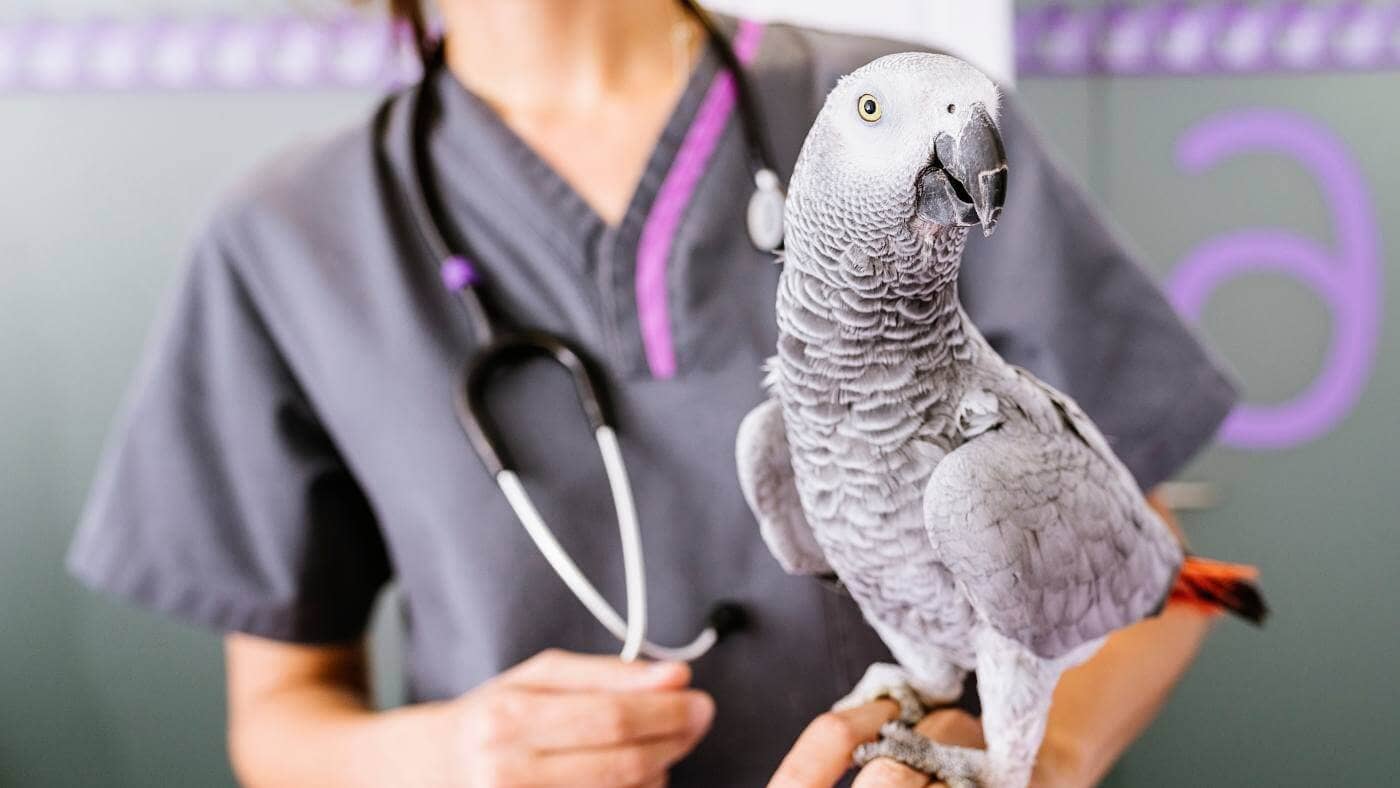
Most parrot diseases share the same risk factors: stress, poor diet, stagnant air, and a shortage of meaningful activity. Build your routine around the 3 Ps and you'll cover the vast majority of preventable problems:
- Proper diet: Use Askio Nature or Hagen pellets as your base. Add colourful veg every day and reserve seeds and nuts for training rewards.
- Proactive vet care: Schedule routine check-ups, weigh your bird weekly, and quarantine newcomers. If anything feels 'off' (quieter than usual, fluffed up, eating less), speak to your avian vet early.
- Plenty of enrichment: Rotate foraging toys, chewables, climbing frames, and foot toys to keep beaks and brains busy. Training sessions (targeting, step-up, recall) are enrichment too, and they strengthen your bond.
A quick word on air and water quality: good ventilation and spotless drinking water matter more than most people realise. Replace damp or dusty materials, keep rooms free from aerosols and scented candles, and offer regular baths or misting to support respiratory and skin health.
Finally, remember that even the best-kept parrots can fall ill. Prevention reduces risk; it doesn't make our birds invincible. Your superpower is noticing subtle change and acting quickly.
Your Next Steps
If you're ready to put prevention at the heart of your routine, start with the basics: move to a pellet-first diet, refresh your toy and perch selection to encourage natural behaviours, and book that wellness check if it's due. You'll find a trusted range of complete foods, targeted supplements, and veterinary-approved enrichment toys at Parrot Essentials, all curated with long-term health in mind.
For deeper dives into topics like nutrition, enrichment, and preventing parrot diseases, explore our blog for expert, practical advice tailored to real life with parrots. Your bird's healthiest years start with what you do today.
FAQs
What are the most common parrot diseases?
The most common parrot diseases include psittacosis, aspergillosis, feather plucking, fatty liver disease, vitamin A deficiency, bumblefoot, and giardiasis.
How can I prevent parrot diseases at home?
Prevention starts with a pellet-based diet, clean environment, regular vet checks, and plenty of enrichment to reduce stress and boredom.
Can parrot diseases spread to humans?
Some, like psittacosis, can affect humans, though this is rare. Good hygiene and regular vet care greatly reduce the risk.
Why is a pellet-based diet important for parrots?
Pellets provide balanced nutrition, preventing deficiencies and diseases linked to seed-only diets, such as fatty liver disease and vitamin A deficiency.
How do I know if my parrot is sick?
Watch for changes in droppings, appetite, feather condition, activity level, or breathing. Subtle changes can indicate illness, so consult an avian vet early.