How to Teach a Parrot to Wave
Teaching your parrot tricks is about much more than showing off. Training sessions provide mental stimulation, strengthen the bond between you and your bird, and help build confidence. One of the easiest and most rewarding tricks to start with is the wave. If you're wondering how to teach a parrot to wave, the good news is that you don't need any previous training experience. With patience, consistency, and plenty of encouragement, most parrots can learn this charming trick and enjoy the process along the way.
Why Teach Your Parrot to Wave?
Parrots are intelligent birds that thrive when they are given opportunities to learn. Training keeps their minds active and gives them a positive outlet for their energy.
Teaching your bird to wave can:
- Provide valuable mental stimulation.
- Strengthen the trust between you and your parrot.
- Increase confidence in shy birds.
- Create a fun way to interact together.
- Lay the foundation for more advanced tricks later on.
Best of all, waving is a simple behaviour that many parrots can learn in relatively short sessions.
Before You Begin
Before learning how to teach a parrot to wave, make sure your bird is comfortable around you and willing to accept treats. Training works best when your parrot is relaxed and interested.
Choose:
- A quiet environment with few distractions.
- Small, highly valued treats.
- Short sessions lasting 5-10 minutes.
- A time when your parrot is alert and happy.
Always use positive reinforcement. Never force your bird to perform or punish mistakes. Training should be enjoyable for both of you.
How to Teach a Parrot to Wave Step by Step
Learning how to teach a parrot to wave becomes much easier when you break the trick into small stages. Patience and consistency are more important than speed.
Start with the Step-Up Position
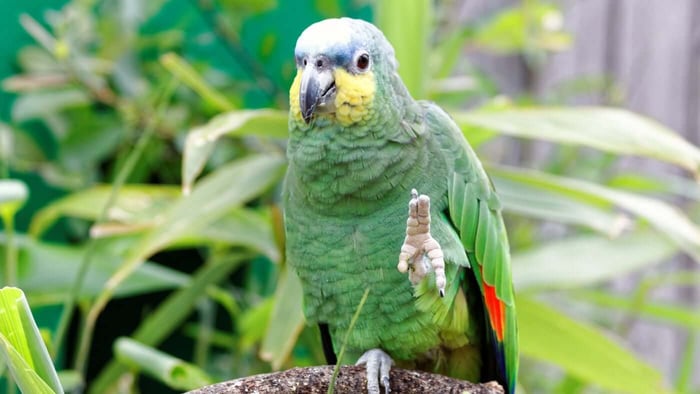
Place your hand close to your bird, similar to how you would ask for a step up, but slightly higher than usual. Many parrots will instinctively lift one foot.
The moment your bird raises its foot, praise them enthusiastically and offer a treat.
At first, you're simply rewarding the movement of lifting a foot.
Reward Every Small Success
Your parrot may only raise the foot slightly during the first few attempts. That's perfectly normal.
Continue rewarding any movement that resembles a wave. Over time, your bird will begin to understand that lifting the foot brings rewards.
Patience is key. Progress often comes in small steps.
Introduce a Verbal Cue
Once your parrot consistently lifts its foot, add a cue such as "Wave", "Hello", or "Say hi".
Speak the cue just before presenting your hand.
Eventually, your parrot will associate the command with the action and begin waving on cue.
Gradually Remove Your Hand Prompt
As your bird becomes more confident, begin moving your hand farther away.
The goal is for your parrot to lift its foot when hearing the command rather than relying on the physical prompt.
Reward generously whenever your bird successfully waves without assistance.
Common Mistakes to Avoid
When learning how to teach a parrot to wave, many owners become discouraged because they expect results too quickly.
Training for Too Long
Long sessions can cause frustration and boredom. Several short sessions throughout the week are much more effective.
Repeating Commands Excessively
Saying "wave, wave, wave" repeatedly can confuse your bird. Give the command once and wait patiently.
Using Low-Value Rewards
Not all treats are equally exciting. Find out which foods your parrot loves most and reserve them specifically for training.
Ending on a Negative Note
Always finish training with praise and success, even if it's something simple your bird already knows.
Which Parrots Can Learn to Wave?
Almost any companion parrot can learn this trick, including budgies, cockatiels, lovebirds, conures, quakers, African Greys, Amazons, cockatoos, and macaws.
Some birds may learn within a few days, while others need several weeks. Every parrot learns at its own pace.
Make Training Fun
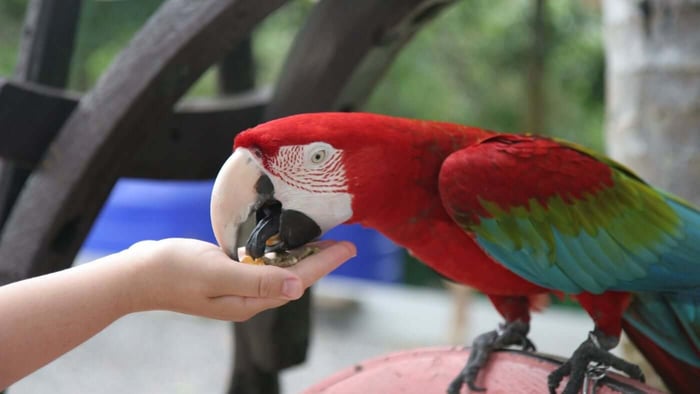
Keep sessions cheerful and rewarding. Use a happy voice, celebrate small achievements, and never compare your bird to others.
Remember that the goal isn't perfection. Training is about building trust and enjoying time together.
Many parrots become so enthusiastic about waving that they start greeting visitors or asking for treats with their new skill.
Beyond Waving: What's Next?
Once your bird has mastered waving, you can move on to other tricks such as turning around, target training, giving high fives, fetching objects, or ring stacking.
These activities provide valuable enrichment and help prevent boredom while strengthening your relationship with your parrot.
Final Thoughts on How to Teach a Parrot to Wave
Learning how to teach a parrot to wave is one of the easiest ways to introduce your bird to training. By keeping sessions positive, rewarding progress, and working at your parrot's pace, you can turn a simple movement into a fun trick that strengthens your relationship.
The most important thing to remember when learning how to teach a parrot to wave is that patience and consistency matter far more than speed. Celebrate the small victories, enjoy the process, and you'll soon have a feathered friend happily saying hello with a cheerful wave.
For more parrot care advice, species profiles, and training guides, visit our blog at Parrot Essentials Blog.
FAQs
How long does it take to teach a parrot to wave?
Some parrots learn to wave within a few days, while others may need several weeks. Short, regular training sessions and positive reinforcement will help your bird learn at its own pace.
What treats should I use when teaching a parrot to wave?
Use small, healthy treats that your parrot finds especially rewarding. Tiny pieces of nuts, seeds, or favourite fruits can work well. The reward should be something your bird genuinely enjoys.
Can budgies and cockatiels learn to wave?
Yes. Budgies, cockatiels, conures, African Greys, Amazons, macaws, and many other parrot species can learn this trick. The key is patience and building trust with your bird.
Why won't my parrot wave?
If your parrot isn't responding, they may be distracted, nervous, tired, or simply not motivated by the reward being offered. Try training in a quiet area, using higher-value treats, and keeping sessions short and positive.
Should I physically lift my parrot's foot to teach the trick?
No. You should never force your parrot's foot into position. Instead, reward your bird when they naturally lift a foot. Positive reinforcement creates a much better learning experience and helps build trust.