How Often Should You Clean a Parrot Cage?
If you're wondering how often should you clean a parrot cage, remove food waste, droppings and dirty liners daily, wash bowls every day, spot-clean mess as needed and give the cage a more thorough clean around once a week.
Parrots can create an impressive amount of mess in a surprisingly short time. Food gets thrown, water bowls become baths, toys are shredded and droppings somehow land on the cage bar you cleaned five minutes ago. A regular routine keeps all of this manageable and gives your bird a cleaner, more comfortable environment.
The exact cleaning frequency will depend on your parrot, cage size, diet and habits. Rather than waiting for a particular cleaning day, the best rule is simple: if something is dirty, clean it.
How Often Should You Clean a Parrot Cage?
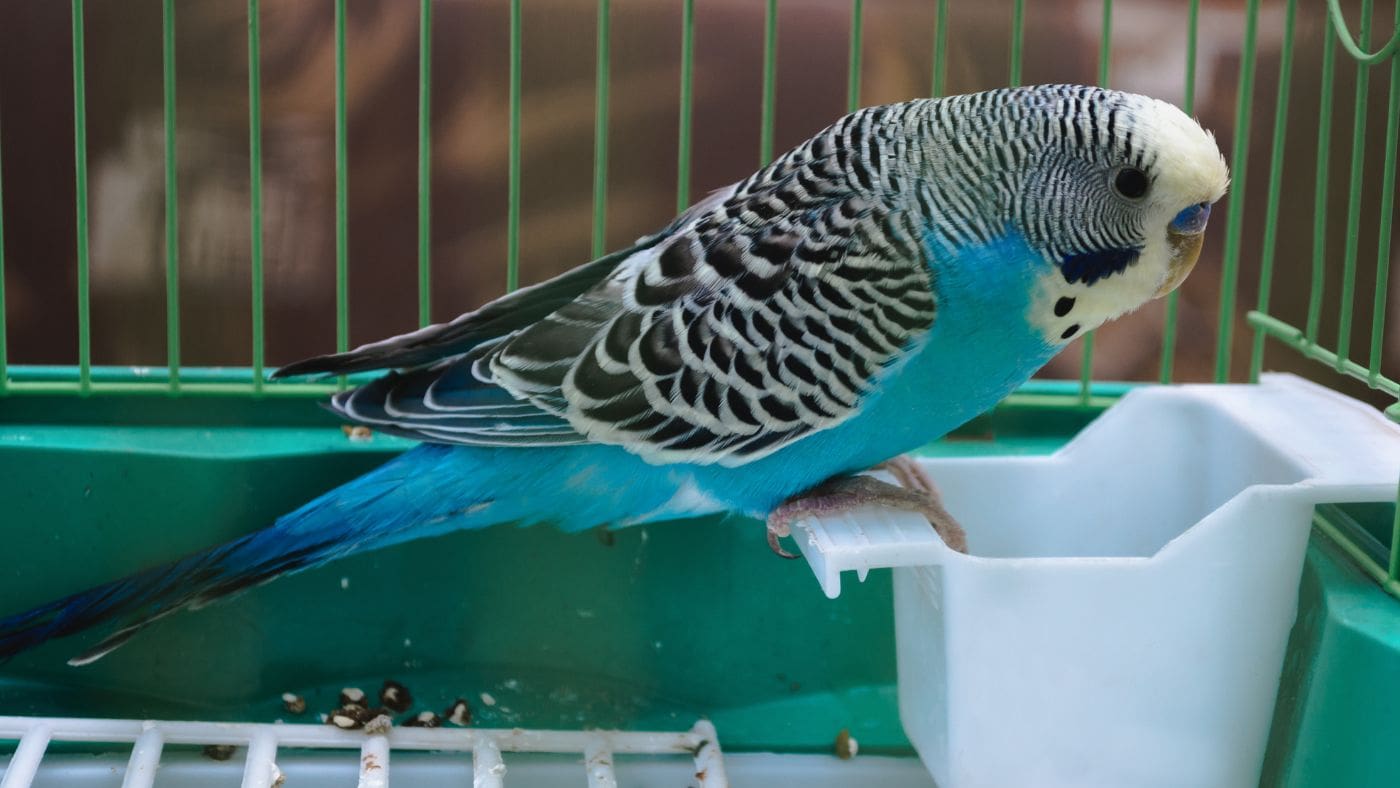
A good starting point is to divide cage cleaning into daily maintenance and a more thorough weekly clean.
Daily: remove droppings, discarded fresh food, seed husks and obvious debris. Replace soiled cage liners, wash food and water bowls and refresh drinking water.
Several times a week: check perches, toys, platforms and cage bars, cleaning individual areas whenever they become dirty.
Weekly: thoroughly clean the cage bars, tray, grate, corners and other areas where food and droppings accumulate.
Periodically: move the cage where necessary and clean underneath, behind and around it. This is also a good opportunity to inspect wheels, stands, fittings and harder-to-reach areas.
These aren't rigid rules. A particularly messy parrot, multiple birds sharing a cage or frequent feeding of fresh foods may mean some jobs need doing more often.
Your Daily Parrot Cage Cleaning Routine
Daily maintenance doesn't need to mean dismantling the cage. Five or ten minutes spent dealing with fresh mess can save you considerably more work later.
Start with the cage liner. Replace it when soiled and remove discarded food, seed husks and other debris from the bottom of the cage.
Wash food and water bowls thoroughly every day rather than simply topping them up. Water may need changing several times during the day if your parrot enjoys dunking pellets, food or toys into the bowl.
Fresh fruit and vegetables also deserve attention. Remove uneaten fresh food promptly rather than allowing moist food to sit in the cage for long periods, particularly in warm conditions.
Finally, look around the cage for obvious mess. A dropping on a perch or food smeared across the bars doesn't need to stay there until your weekly cleaning day.
The Weekly Parrot Cage Clean
Around once a week, give the cage a more thorough clean. Move your parrot to a safe location if necessary, particularly if you need to leave the cage open or remove several accessories.
Remove bowls, movable perches and toys so you can reach the interior properly. Take out the bottom tray and grate where applicable and remove loose debris before cleaning.
Pay particular attention to corners, joins and areas underneath favourite perches. These are easy places for dried food and droppings to accumulate unnoticed.
Allow cleaned surfaces and accessories to dry properly before returning everything to the cage.
Use the opportunity to inspect the cage too. Check doors, locks, welds, perches, toy attachments and other fittings for damage or excessive wear. Your weekly clean can double as a useful cage safety check.
Don't Forget Perches, Toys And Bowls
Perches can become dirty quickly because your parrot spends so much time standing, climbing and sleeping on them. Natural wood perches have useful irregular surfaces, but those same grooves can collect food and droppings.
Clean perches when they become dirty and inspect them for excessive chewing, loose fittings, sharp areas or deterioration. If a natural perch has become heavily soiled and cannot be cleaned properly without damaging it, replacement may be the better option.
Hard, washable toys can usually be spot-cleaned as required. Natural shredding toys made from materials such as paper, cardboard, palm leaf and soft wood may be better replaced once heavily soiled rather than soaked or repeatedly washed.
Bowls deserve daily attention. Wash them thoroughly, provide fresh drinking water and don't continually add new food on top of old food.
Signs Your Parrot Cage Needs Cleaning More Often
When deciding how often should you clean a parrot cage, your bird's habits matter just as much as the calendar.
You may need to clean more frequently if:
- More than one bird uses the cage.
- Your parrot produces considerable feather dust.
- You regularly offer fresh fruit and vegetables.
- Your bird frequently bathes or drops food into the water bowl.
- Droppings regularly land on toys and perches.
- Your parrot throws large amounts of food from the cage.
- You can see or smell accumulated waste.
Visible dirt is enough reason to clean something. Your schedule should help you stay on top of cage hygiene, not make you wait until Saturday to remove Tuesday's mess.
Choosing The Right Parrot Cage Cleaning Products
Not every cleaning job needs the same product. A fresh dropping on the cage stand, your weekly cage clean and a more thorough disinfection are different jobs, so it makes sense to choose your cleaner accordingly.
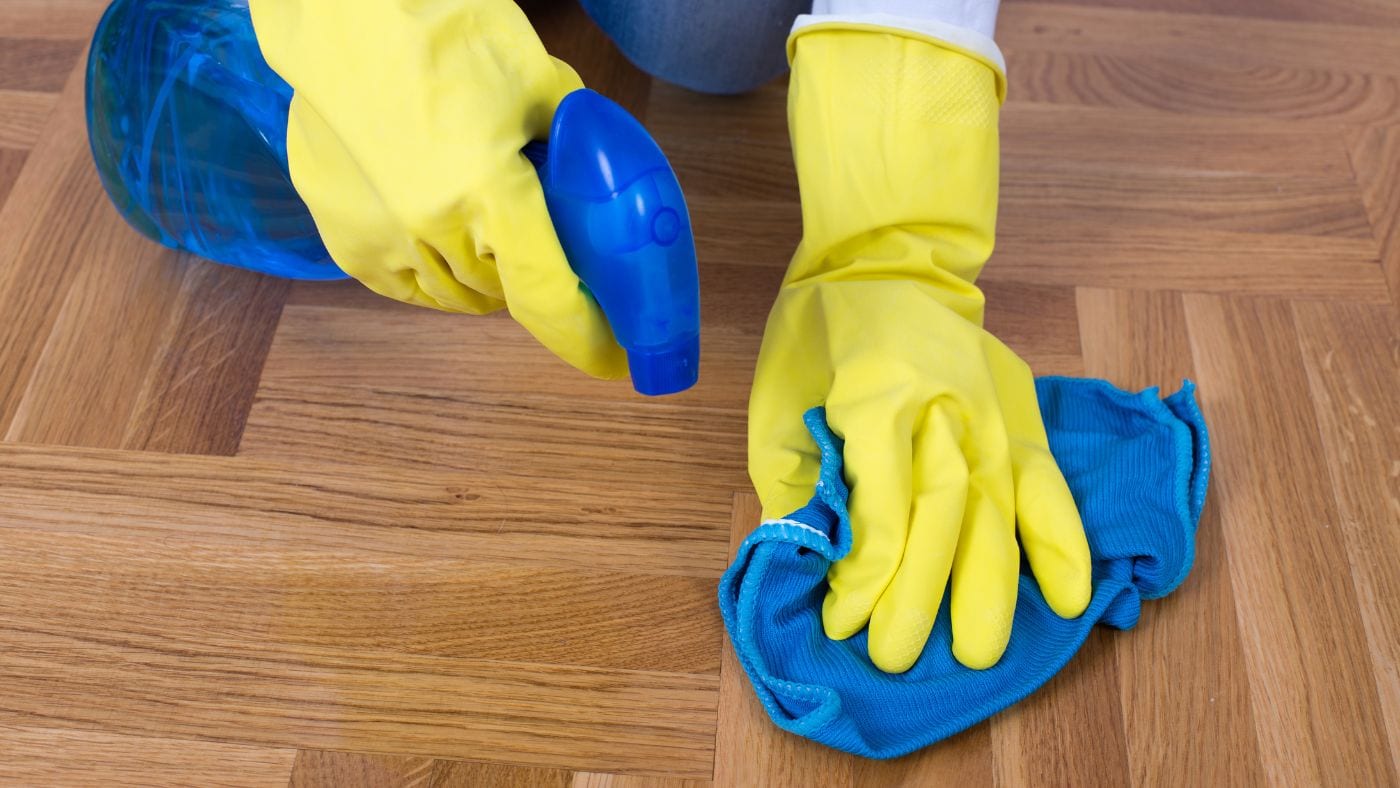
For Everyday Droppings: Potty Pick Up
Let's start with the job every parrot owner knows well: poop in exactly the place you cleaned five minutes ago.
For everyday mess, Potty Pick Up Bird Poop Remover is worth keeping within easy reach of the cage. It is specifically designed to help dissolve bird droppings, food splashes, stains and odours, making it particularly useful for cage trays, stands and other surfaces that regularly get messy.
Using a dedicated bird mess remover means you can tackle individual dirty areas as you find them instead of turning every dropping into a full cage-cleaning session.
For The Weekly Cage Clean: F10 Bird Cage Cleaner
When it's time for the weekly clean, F10 Bird Cage Cleaner Disinfectant Ready to Use is our practical choice if you don't want to measure or dilute concentrate.
It arrives pre-diluted and ready to use, making it particularly convenient for cleaning hard cage surfaces and equipment. Remove loose debris first, rinse the surface, apply the F10 solution as directed and allow it to air dry.
For owners with one cage or those who simply want an uncomplicated routine, this is the easy option: no working out dilution ratios before you start cleaning.
For Quick Jobs: F10 Disinfectant Wipes
Not every mess requires a spray bottle, bucket and full cage clean.
F10 Disposable Disinfectant Wipes are handy for smaller jobs on suitable hard surfaces. Think cage stands, handles, trays and other washable areas that need attention between bigger cleans.
Keeping wipes nearby makes the "I'll clean that later" jobs much less likely to become tomorrow's dried-on mess.
For Regular Deep Cleaning: F10 SC Super Concentrate
If you clean several cages, have multiple parrots or simply prefer a concentrate that lasts longer, F10 SC Super Concentrate Bird Cage Cleaner & Disinfectant is the option we would consider instead.
Because it is concentrated, you dilute it according to the level of disinfection required. It can be used on suitable cage surfaces and equipment as part of a more thorough cleaning routine.
Don't guess the concentration. Follow the dilution instructions on the product carefully each time you prepare it.
Want Cleaning And Disinfection In One Step?
There is an important difference between simply disinfecting a surface and removing the grime sitting on it.
For deeper cleans where you want a cleanser and disinfectant together, F10CLXD Bird Cage Cleaner & Disinfectant Concentrate contains an added detergent. This makes it useful for suitable hard surfaces where there is actual dirt to remove as well as a need to disinfect.
Always follow the individual product instructions, including directions concerning dilution, application, rinsing, drying and use around food and water bowls.
Our Simple Cleaning Combination
You don't need a cupboard full of different bottles to keep one parrot cage clean.
For most homes, we would keep it simple: use Potty Pick Up Bird Poop Remover for those inevitable everyday droppings and food splashes, then use F10 Bird Cage Cleaner Disinfectant Ready to Use as part of your more thorough weekly clean.
If you have several cages or clean frequently, moving to F10 SC Super Concentrate may make more sense than repeatedly buying ready-to-use bottles.
The goal isn't to disinfect everything constantly. It's to make cleaning easy enough that it actually becomes part of your routine.
How To Make Parrot Cage Cleaning Easier
The best cleaning routine is one you can realistically maintain.
Keep liners, spare bowls and your regular cleaning products somewhere convenient. Position food and water bowls away from perches where possible, so droppings are less likely to land in them.
Think about toy placement too. A favourite shredding toy directly beneath a sleeping perch is going to become dirty much faster than one positioned elsewhere.
Don't forget the area around the cage. Sweep or vacuum feathers, seed husks and shredded toy material regularly, and clean cage stands and surrounding washable surfaces when needed.
Little and often is the trick. Five minutes of daily maintenance is much easier than waiting until everything is covered in dried-on mess.
Final Thoughts: How Often Should You Clean a Parrot Cage?
So, how often should you clean a parrot cage? Remove obvious mess and food waste daily, wash bowls every day, spot-clean whenever necessary and aim for a more thorough cage clean around once a week.
Your parrot's habits should ultimately guide the routine. If your bird has just decorated three cage bars with mashed sweet potato, the calendar doesn't get a vote.
Keep the routine simple, use the right product for the job and deal with small messes before they become big ones. A few minutes of regular maintenance can make cage cleaning considerably easier for you while providing your parrot with a cleaner and more comfortable home.
FAQs
How often should you clean a parrot cage?
Remove droppings, food waste and dirty cage liners daily, and wash food and water bowls every day. A more thorough cage clean should generally be carried out around once a week, with spot cleaning whenever needed.
How often should I change the bottom of my parrot's cage?
Check the cage liner every day and replace it whenever it becomes soiled. Daily changes make it easier to keep the cage clean and monitor changes in your parrot's droppings.
How often should parrot food and water bowls be cleaned?
Food and water bowls should be thoroughly washed every day. Water may need changing several times a day if your parrot drops food, toys or other debris into the bowl.
What should I use to clean a parrot cage?
Use warm water alongside a cleaning product suitable for bird environments. Avoid assuming ordinary household cleaners are safe around parrots. Always follow the instructions for your chosen cleaning or disinfecting product.
How often should parrot perches and toys be cleaned?
Check perches and toys regularly and clean them whenever they become soiled. Washable accessories can be cleaned as needed, while heavily soiled natural or shreddable toys may be better replaced.