
Travelling with Parrots: Carrier Training and Stress-Free Journeys
Travelling with parrots becomes much easier when you introduce the carrier gradually, practise short car journeys and maintain a familiar routine. A secure travel cage, comfortable temperature, regular checks and thoughtful preparation can help your bird feel safer and more confident.
Does your parrot suddenly become suspicious the moment you take their travel carrier out of the cupboard? Or perhaps they start calling loudly before you've even reached the car? You're certainly not alone!
The good news is that travelling with parrots doesn't have to be a stressful experience. With patience, positive experiences and a few sensible adjustments, you can make journeys considerably more comfortable for both of you.
Why Can Travelling with Parrots Be Stressful?
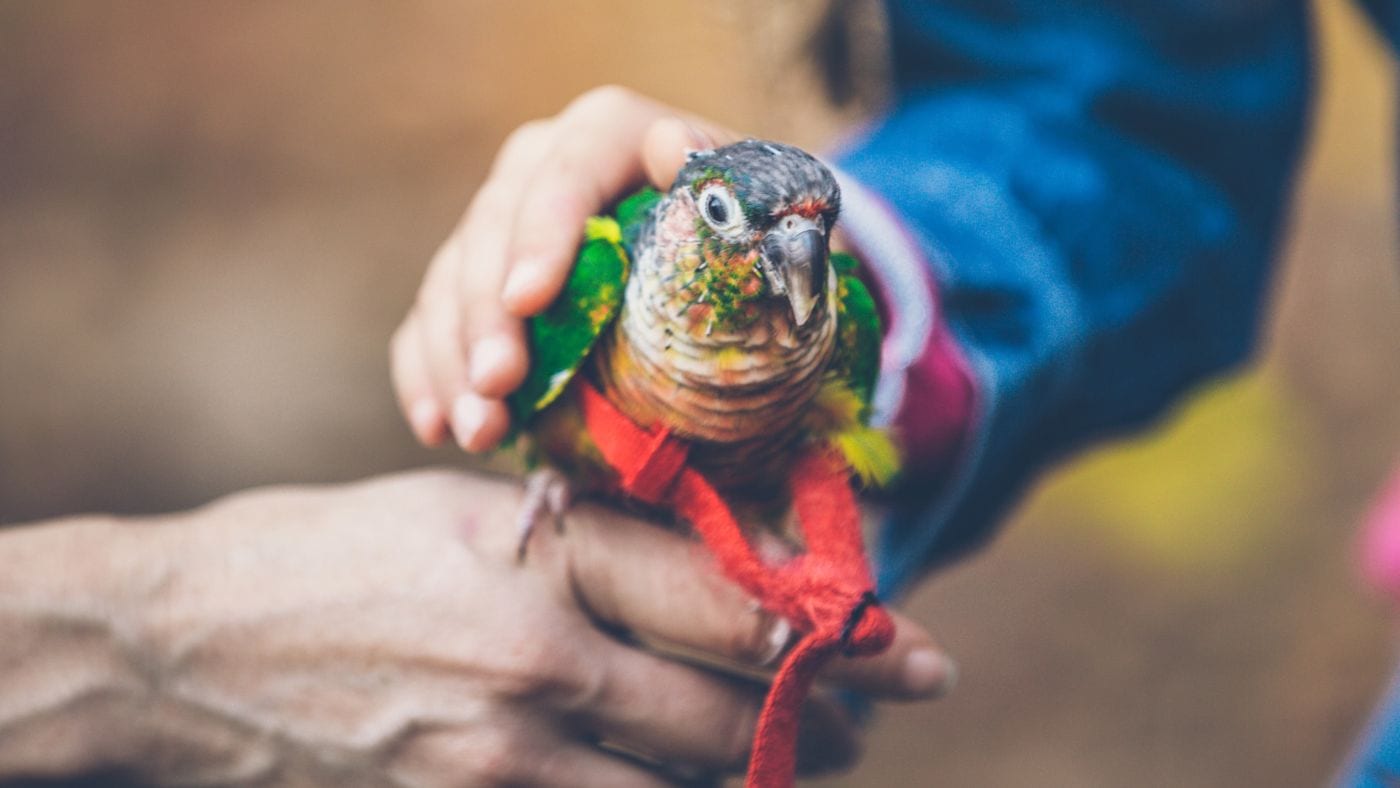
Think about how much changes for your parrot during even a short car journey. Their familiar cage disappears, the ground starts moving beneath them, strange noises come from every direction and their usual routine goes completely out of the window.
Common triggers of parrot travel anxiety include:
- Unfamiliar carriers and confined spaces.
- Vehicle movement, vibrations and traffic noises.
- Rapidly changing scenery outside the window.
- Changes in temperature and surroundings.
- Previous unpleasant experiences associated with travelling.
- Disruption to feeding and sleeping routines.
If the carrier only ever makes an appearance before a veterinary appointment, can we really blame our parrots for being suspicious of it?
Changing that association is one of the best places to start.
How to Train Your Parrot to Use a Travel Carrier
One mistake we encourage parrot owners to avoid is introducing a travel carrier on the very day they need to use it. Give your bird the opportunity to become familiar with it without the pressure of having to go anywhere.
Start With Familiarisation
Place the carrier somewhere your parrot can comfortably see it. Leave the door open during supervised training and gradually introduce favourite treats near the entrance.
As your bird becomes more curious, move the treats further inside. Let them explore, enter and leave voluntarily. Even a single confident step towards the carrier deserves a reward.
Build Confidence Gradually
Once your parrot willingly enters the carrier, work through the following stages:
- Encourage your bird to spend short periods inside.
- Close the door briefly before reopening it.
- Gradually increase the time spent inside.
- Gently carry the carrier around the house.
- Practise sitting inside a stationary car.
- Introduce short drives around your neighbourhood.
Always work at your parrot's pace. If they become frightened, return to the previous stage. Remember, you're building trust, not simply teaching your bird to tolerate confinement.
Keep occasional practice journeys going even when you have nowhere important to be. Sometimes, the best destination is simply back home!
Choosing the Right Parrot Travel Carrier
Choosing a suitable carrier is one of the most important aspects of travelling with parrots. A good travel carrier should provide security, stability and comfort. Bigger isn't necessarily better, but your parrot must have enough room to stand naturally, turn around and maintain a comfortable posture.
When choosing a parrot travel cage or carrier, look for:
- Sturdy construction and secure door fastenings.
- Suitable ventilation and bar spacing.
- A firmly attached, appropriately positioned perch.
- Enough space to accommodate your bird's tail.
- An easy-to-clean base.
- A design that can be securely restrained inside your vehicle.
Leave the heavy hanging toys and swings at home. Although we love giving our parrots plenty of enrichment, swinging accessories can become a safety hazard when the car brakes or turns.
For older parrots or birds with mobility difficulties, ask your avian vet whether a lower perch or adapted carrier would be more suitable.
Preparing for Travelling with Parrots
Preparation is the secret to successful travelling with parrots. Getting everything ready the evening before makes a surprising difference. Nobody enjoys rushing around looking for missing bowls, treats or carrier accessories while their parrot watches the chaos unfold!
Here's what we recommend packing:
- Your parrot's usual food and favourite treats.
- Fresh drinking water and a suitable bowl.
- Spare carrier liners and cleaning supplies.
- A lightweight, breathable carrier cover.
- Any prescribed medication.
- Contact details for your avian vet and a veterinary practice near your destination.
For longer stays, pack familiar perches and toys for your bird's accommodation. If you're travelling abroad, check current requirements with the relevant authorities and transport provider well before departure.
Can Calming Products Help With Parrot Travel Anxiety?
Travelling with parrots can be particularly challenging when your bird is naturally nervous or sensitive to changes. Some parrots take to travelling surprisingly well, whilst others remain nervous despite plenty of preparation. For birds that need a little extra reassurance, we recommend considering appropriate calming support alongside carrier training.
Casozen Stressed Bird Support is a supplement available in capsule and liquid formats, designed to support birds during stressful experiences such as travelling, veterinary visits and changes in their surroundings.
Pet Remedy offers a different approach through environmental calming products. Its portable calming spray is particularly convenient for travel preparation. Following the bird-specific instructions, the spray can be applied to a cloth away from your bird and positioned nearby, out of chewing reach.
Never spray directly onto your parrot or into an occupied carrier. Maintain good ventilation and consult your avian vet if your bird has respiratory problems.
These products work through different approaches, and there is no need to automatically use both. Choose the option appropriate for your bird, follow the product instructions and remember that calming support complements good preparation rather than replacing it.
Safety Tips for Travelling with Parrots
When travelling with parrots, try to keep departure day as ordinary as possible. Follow your usual morning routine, offer familiar food and use the same carrier cues you've practised.
Once you're ready to leave, securely restrain the carrier in the vehicle according to its design. Never allow your parrot to travel loose inside the car, even if they normally sit beautifully on your shoulder.
Temperature management is particularly important when travelling with parrots. Drive smoothly, keep noise levels low and maintain a comfortable, stable temperature. Warm the car beforehand in winter and cool it before departure in summer. Avoid direct sunlight and strong draughts from heating or air-conditioning vents.
Never leave your parrot unattended in a parked vehicle, regardless of the weather.
Does passing traffic seem to unsettle your bird? A partial carrier cover may help reduce visual stimulation, provided it doesn't restrict ventilation or cause overheating.
During longer journeys, schedule regular stops to check your bird and offer fresh water. Never open the carrier outdoors or anywhere your parrot could escape.
Recognising Signs of Travel Stress
Understanding your bird's body language is essential when travelling with parrots. Not every frightened parrot makes a fuss. Some become remarkably quiet, which is why understanding your bird's normal behaviour is so important.
Watch for repeated alarm calls, frantic climbing, escape attempts, trembling, freezing or refusal of favourite treats. Our guide to parrot body language can help you recognise these subtle signals.
Persistent open-mouth breathing, pronounced tail bobbing, weakness, vomiting or loss of balance require prompt veterinary attention. Stop somewhere safe, check the temperature and ventilation, and contact an avian vet. Never dismiss physical symptoms as simple nervousness.
Read our guide to parrot behaviour changes and when to see an avian vet for more advice.
Helping Your Parrot Settle After Travelling
Travelling with parrots doesn't end when you reach your destination. Helping your bird settle into unfamiliar surroundings is just as important as preparing for the journey itself. Set up your bird's accommodation in a quiet, secure room, offer familiar food, fresh water and favourite accessories, and allow your parrot to settle at their own pace.
Keep an eye on their appetite, droppings, breathing and activity levels. Return to their normal feeding and sleeping routine as soon as possible, and seek veterinary advice if concerning changes persist.
Final Thoughts on Travelling with Parrots
Travelling with parrots is all about preparation, patience and understanding what makes your individual bird feel secure. Some parrots become enthusiastic little travellers, whilst others will always prefer the comforts of home.
Start small, celebrate those little moments of progress and never rush the process. Every positive experience can help build confidence for the next journey. And isn't that what we all want? A happy, healthy parrot who feels safe wherever life takes them.
FAQs
How do I get my parrot used to a travel carrier?
Introduce the carrier gradually at home, encourage voluntary exploration with favourite treats and reward calm behaviour before progressing to short practice journeys.
Should I cover my parrot's carrier in the car?
Partially covering the carrier can help reduce visual stimulation for nervous parrots. Always maintain adequate ventilation and ensure your bird does not overheat.
Can I give my parrot calming supplements before travelling?
Casozen can be considered as additional calming support before planned journeys. Follow the product instructions and introduce it at home rather than for the first time during travel.
How often should I stop when travelling with my parrot?
Plan regular breaks during longer journeys to monitor your parrot's comfort, temperature and behaviour, and offer fresh drinking water. Adjust your stops according to your bird's needs.
Can parrots suffer from motion sickness?
Yes, some parrots experience motion sickness during car journeys. Speak to your avian vet if your bird repeatedly vomits or appears unwell during travel.