
Parrot Anxiety: Signs, Common Triggers and How to Help Your Bird
Parrot anxiety can show up as persistent nervousness, excessive calling, trembling, withdrawal or defensive behaviour. Helping an anxious parrot starts with identifying what makes them feel unsafe, recognising the difference between fear and boredom, and gradually rebuilding their confidence.
Does your parrot panic whenever you leave the room? Perhaps they suddenly refuse to step onto your hand, become frightened by everyday objects or seem unable to settle, even in familiar surroundings.
As parrot owners, we know how wonderfully complicated these birds can be. Something as ordinary as a new cushion on the sofa can be a major event in a parrot's world!
Understanding parrot anxiety means looking beyond the behaviour itself and asking what your bird is trying to communicate. Once you start seeing things from their perspective, their reactions often begin to make much more sense.
Understanding Parrot Anxiety
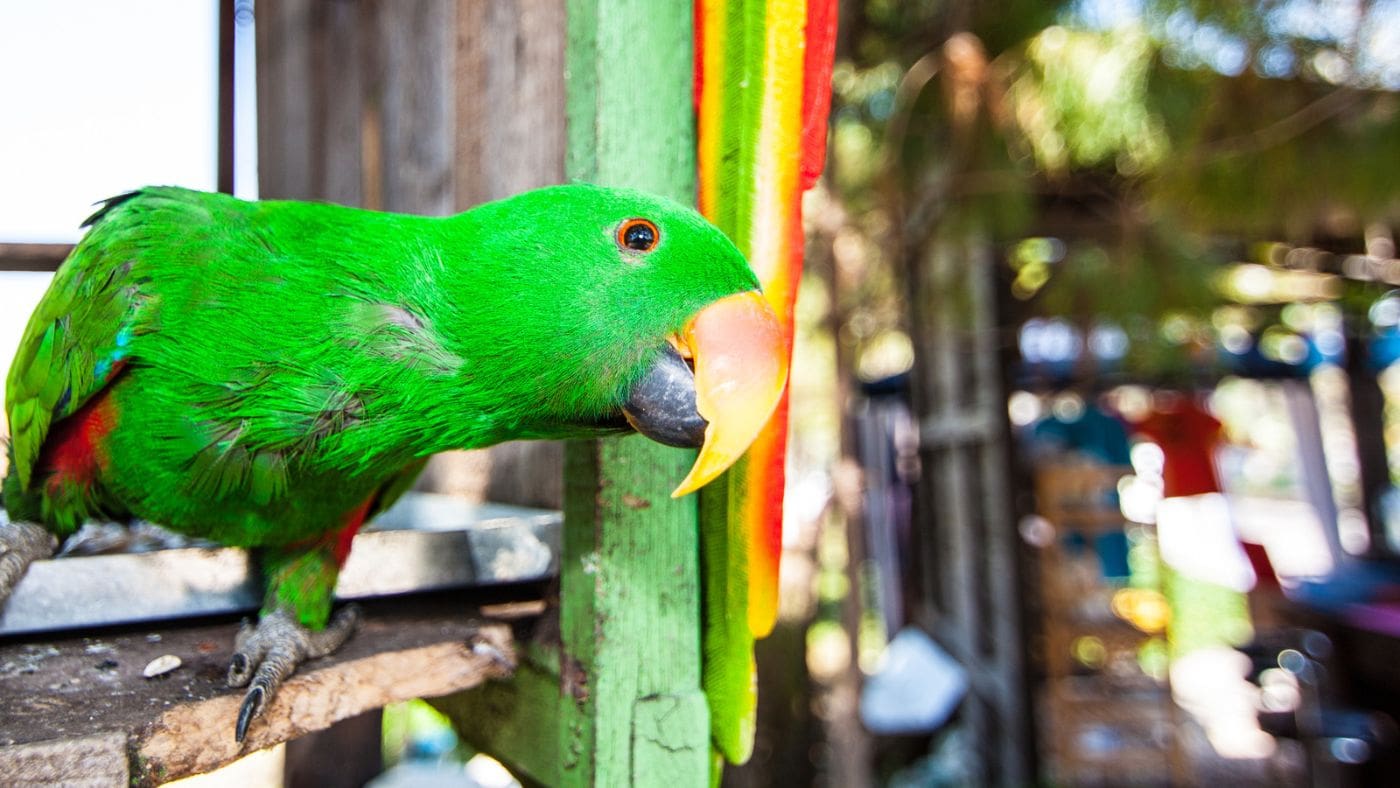
Parrots are naturally alert prey animals. Being cautious about unfamiliar sounds, movements and objects is an instinct that helps them survive in the wild.
Occasional fear is perfectly normal. The concern begins when nervousness becomes persistent, everyday activities cause distress or your bird struggles to relax even after a perceived threat has disappeared.
Some parrots are naturally more cautious than others. Previous experiences, particularly for rescued or rehomed birds, can also influence how confidently they approach unfamiliar situations.
The goal isn't to eliminate every moment of fear. It's to help your parrot feel secure enough to enjoy everyday life.
Common Signs of an Anxious Parrot
Not every anxious bird screams or bites. Some become remarkably quiet, making their discomfort much easier to overlook.
Watch for changes such as:
- Freezing, trembling or leaning away when approached.
- Repeated alarm calls or excessive vocalisation.
- Constantly watching their surroundings instead of relaxing.
- Unusual clinginess or distress when you leave.
- Retreating to a particular corner of the cage.
- Defensive lunging, biting or avoiding familiar people.
- Persistent pacing, overpreening or feather-damaging behaviour.
- Reluctance to explore, play or interact voluntarily.
Remember to consider the circumstances. A parrot that briefly freezes when you bring out the vacuum cleaner is quite different from one that spends much of the day looking frightened.
Our guide to understanding parrot body language can help you recognise those smaller signals before your bird feels the need to react more dramatically.
12 Common Parrot Anxiety Triggers
Sometimes the source of your bird's nervousness is obvious. Other times, several seemingly insignificant changes can build up and leave your parrot feeling overwhelmed.
Changes and Environmental Triggers
- Changes in routine: Different working hours, feeding times or daily interactions.
- Interrupted sleep: Late-night household activities, artificial lighting and disturbances.
- Excessive noise: Loud televisions, barking dogs, fireworks or building work.
- Insecure cage placement: Busy walkways or areas where your bird feels exposed.
- Unfamiliar objects: New toys, furniture, clothing or household decorations.
- Temporary disruptions: Travelling, boarding, visitors or moving house.
Social, Behavioural and Physical Triggers
- Inconsistent handling: Forced interaction or unpredictable responses from family members.
- Separation and loneliness: Changes in companionship or time spent alone.
- Lack of enrichment: Insufficient opportunities to forage, chew, explore and play.
- Hormonal changes: Seasonal behaviours that increase territoriality or frustration.
- Household tension and animal conflict: Arguments, intimidating pets or competition between birds.
- Physical discomfort: Pain, illness or nutritional problems that affect behaviour.
Think about when your parrot seems most uncomfortable. Is it when someone approaches the cage? When you pick up your car keys? Or perhaps when another pet enters the room?
These little details can offer valuable clues about what needs addressing first.
Is Your Parrot Bored or Anxious?
Boredom and anxiety can look surprisingly similar. Both may contribute to excessive calling, repetitive movements and feather-damaging behaviour, but the underlying needs can be quite different.
A bored parrot generally needs more opportunities to engage with their surroundings. An anxious parrot may need to feel safer before they are comfortable exploring them.
For example, offering a new foraging toy might be exactly what an understimulated Amazon parrot needs. However, a nervous African Grey might find that same unfamiliar toy intimidating.
Does your bird become more relaxed when offered a familiar activity, or do they remain tense? Do they actively seek something to do, or are they trying to avoid something?
These observations can help guide your approach, although they cannot confirm the cause. A parrot can experience boredom and anxiety at the same time.
A Quick Parrot Anxiety Observation Checklist
Before making lots of changes, take a closer look at your bird's everyday behaviour. Ask yourself:
- When did the nervous behaviour first appear?
- Does it happen around particular people, objects or sounds?
- Is my parrot relaxed when nobody is approaching them?
- Does familiar play or foraging help them settle?
- Can they comfortably spend short periods away from me?
- Are the reactions becoming more frequent or intense?
- Has anything changed in their appetite, droppings, weight or activity?
Keep a few notes and, where possible, record naturally occurring behaviour without deliberately frightening your bird.
This isn't a diagnostic checklist. It's a practical way to recognise patterns and gather useful information should professional advice be needed.
How to Help an Anxious Parrot Build Confidence
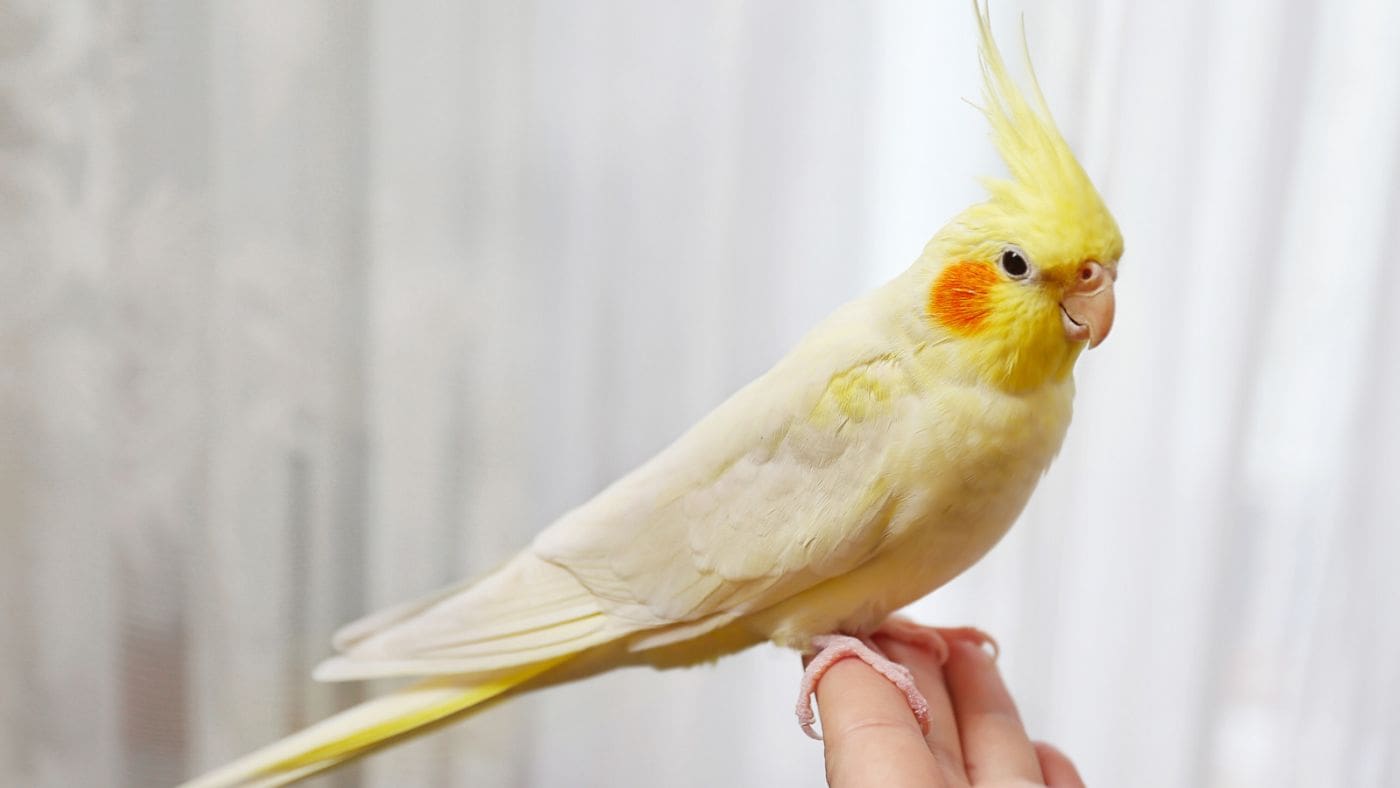
One of the best things you can give a nervous parrot is the freedom to make choices.
If your bird is frightened of a new toy, introduce it from a comfortable distance. If they are nervous around your hands, don't insist on stepping up. Instead, reward small, voluntary movements towards you.
The same principle applies to separation anxiety in parrots. Encourage enjoyable independent activities and build up comfortable periods of separation gradually, returning before distress escalates.
Never punish a frightened bird or deliberately expose them to something until they stop reacting. A bird that becomes still isn't necessarily a bird that feels safe.
For more practical advice on everyday care, read our guide to helping a stressed parrot or follow our seven-day calming routine.
Can Natural Calming Support Help?
Alongside confidence-building exercises and improvements to everyday care, we recommend considering additional calming support when a healthy parrot is struggling with known stress triggers.
Casozen is a calming supplement developed for birds, available in capsule and liquid formats. It is intended to provide additional support during stressful periods and adjustment to unfamiliar circumstances.
Pet Remedy takes a different approach, offering environmental calming support through its range of sprays, wipes and plug-in diffusers containing a blend of plant-derived oils.
Both are options worth discussing with your avian vet, particularly when preparing for predictable disruptions. They work through different methods of delivery, and there is no need to assume that using both together will provide better results.
Always follow the individual product instructions. Responses vary between birds, and calming products should complement, rather than replace, the work you put into addressing their fears.
When Does Your Parrot Need Professional Support?
Persistent fear, worsening defensive behaviour or an inability to enjoy normal daily activities deserve professional attention.
Sudden personality changes, feather plucking, reduced appetite, weight loss or abnormal droppings should be assessed promptly by an avian vet. Breathing difficulties, bleeding, severe weakness or an inability to perch require immediate veterinary attention.
Once medical causes have been investigated, a qualified parrot behaviour professional experienced in positive reinforcement can help you develop an individual plan for rebuilding confidence.
Helping Your Parrot Feel Safe Again
Managing parrot anxiety isn't about turning a naturally cautious bird into a fearless one. It's about helping them feel comfortable, secure and confident enough to enjoy being a parrot.
Celebrate the little victories. Exploring a new toy, accepting a treat from your hand or calmly watching you leave the room can all represent meaningful progress.
Give your bird time, respect their boundaries and remember that trust is built through everyday experiences. A happier, more confident parrot is well worth the patience.
FAQs
How can I tell if my parrot has anxiety?
Persistent nervousness, trembling, excessive calling, avoidance and defensive behaviour may indicate anxiety. Look for recurring patterns and changes from your bird's usual behaviour.
What are the most common causes of parrot anxiety?
Common triggers include unfamiliar objects, disrupted routines, separation, loud noises, insufficient sleep, forced handling and environmental changes.
Can parrots suffer from separation anxiety?
Yes. Some parrots become distressed when separated from their favourite person or companion. Gradually encouraging independent play and comfortable periods of separation can help build confidence.
How can I tell if my parrot is bored or anxious?
A bored parrot may become more engaged when offered familiar enrichment, while an anxious bird may remain vigilant or fearful. Both conditions can occur together.
Can an anxious parrot become more confident?
Yes. Consistent positive reinforcement, gentle interaction and addressing anxiety triggers can help parrots develop confidence. Persistent or severe anxiety may require professional behavioural support.