Parrot Feather Loss: Treatment Options
Table of Contents
- Understanding Parrot Feather Loss
- Normal Moulting vs Abnormal Feather Loss
- Common Causes of Feather Damage and Loss
- What Shredded Feathers Indicate
- Nutritional Supplements for Feather Health
- Vitamins Essential for Feather Growth
- Mineral Supplements and Amino Acids
- Best Supplement Products for Parrots
- Topical Treatments and Sprays
- Feather Conditioning Sprays
- Anti-Stress Formulas
- When to Seek Veterinary Care
- Emergency Warning Signs
- What to Expect During an Avian Vet Visit
- Supporting Healthy Feather Regrowth at Home
- Diet Improvements for Feather Health
- Environmental Factors and Stress Reduction
- Putting It All Together
- FAQs
Parrot feather loss is one of the most common worries parrot owners have, because your bird's feathers are not just for looks. They support flight, insulation, skin protection, and even confidence. The tricky part is that some feather loss is perfectly normal (moulting), while other patterns can point to health problems, stress, or feather-damaging behaviour.
In this guide, you'll learn how to tell the difference between normal and abnormal feather loss, what shredded feathers can mean, and which treatment options actually support healthy regrowth. You'll also see when supplements can help, when topical support makes sense, and when you should involve an avian vet before you try anything at home.
Understanding Parrot Feather Loss
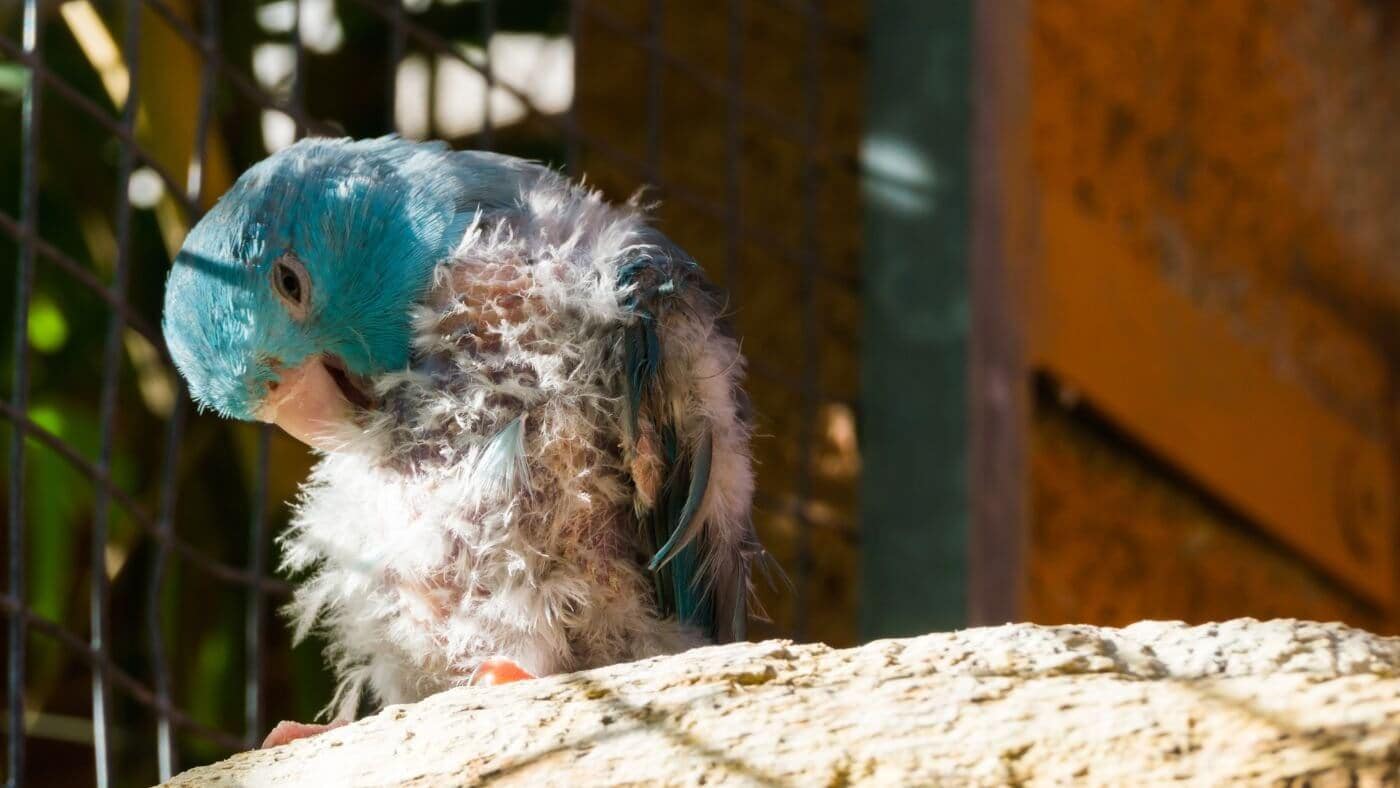
Parrots naturally lose and replace feathers throughout the year. In a healthy bird, feathers are constantly being renewed, which keeps the coat functional and strong. Problems start when feather loss becomes uneven, rapid, patchy, or accompanied by broken and chewed feathers.
A useful mindset is this: moulting is a planned "upgrade". Abnormal feather loss is often a signal that something is irritating the skin, weakening the feather structure, or pushing your bird into coping behaviours like over-preening and chewing. Veterinary resources consistently highlight that parrot feather loss and feather picking are complex and need a proper approach, not guesswork.
Normal Moulting vs Abnormal Feather Loss
Normal moulting is typically gradual. You might find feathers in the cage, notice a slightly scruffier look, and see pin feathers (new feathers growing in with a waxy sheath). Many parrots moult in a fairly balanced way, with feathers dropping in a more symmetrical pattern across the body.
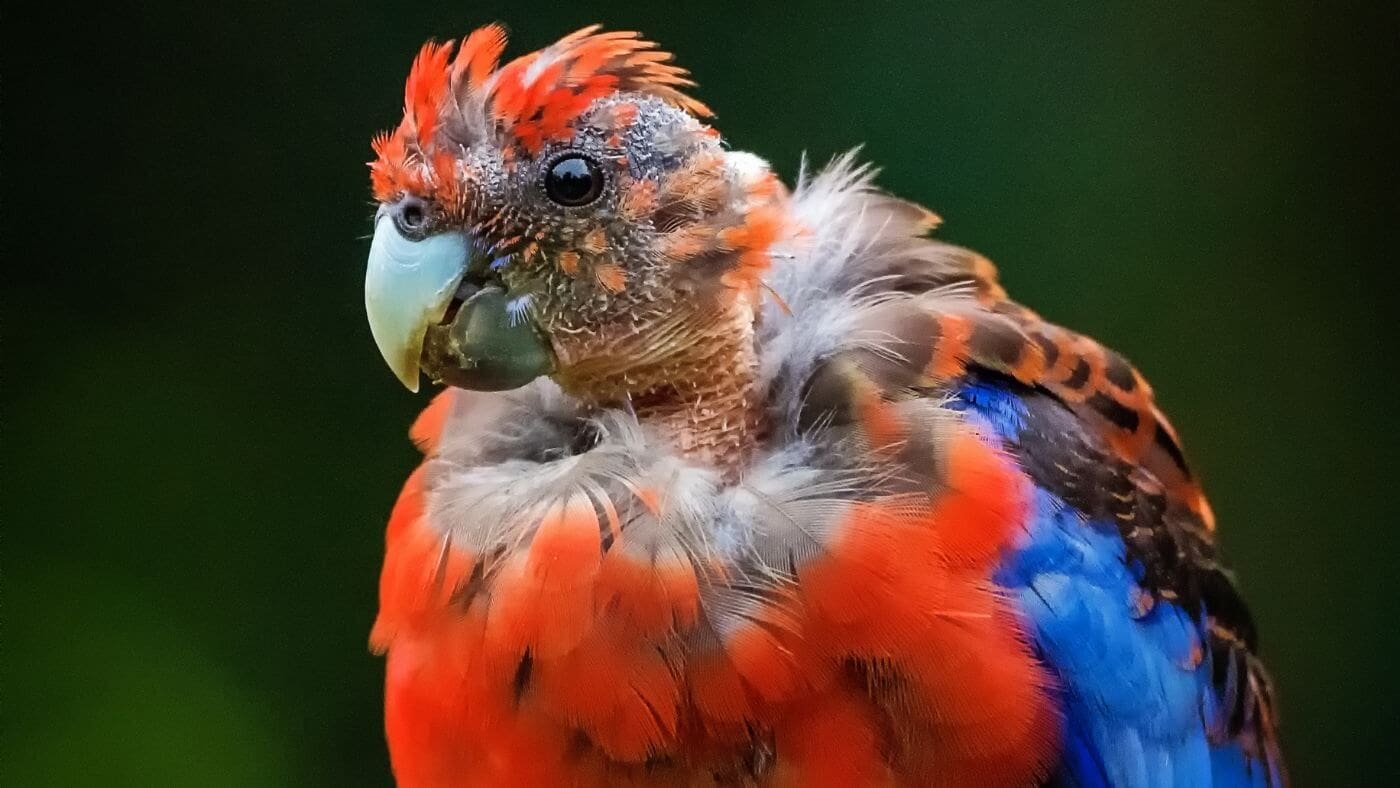
Abnormal parrot feather loss tends to look different. Red flags include bald patches, rapid loss over days rather than weeks, inflamed skin, or feathers that look snapped, frayed, or chewed. If your bird is losing large numbers of feathers and you can see bare skin, that is typically considered abnormal and worth investigating.
One quick clue: if the head is affected (baldness on the head), it is often not self-plucking because most parrots cannot easily reach the top of their own head. That can point to rubbing, a cage or environment issue, another bird, or medical causes that need a vet work-up.
Common Causes of Feather Damage and Loss
Feather issues are rarely "just one thing". Most cases are a mix of underlying triggers that stack up over time. Common causes include:
Nutritional gaps: Seed-heavy diets and low variety feeding can leave birds short on nutrients that support feather structure and skin health. Malnutrition is widely recognised as a frequent contributor to feather and skin problems.
Medical problems: Parasites, infections (bacterial, fungal, viral), endocrine issues, organ disease, allergic-type irritation, and conditions like PBFD can all show up as feather loss or breakage.
Stress and behaviour: Boredom, lack of sleep, environmental instability, social frustration, and anxiety can trigger over-preening, chewing, and feather-damaging behaviour.
Environmental factors: Low humidity (dry heated homes), poor lighting routines, dirty perches, sharp cage edges, and harsh bathing products can damage feathers or irritate the skin, making your parrot more likely to pick or chew.
What Shredded Feathers Indicate
Shredded, frayed, or "chopped" looking feathers usually point to one of three categories:
1) Feather-damaging behaviour
Your parrot may be chewing the feather shafts or nibbling the edges as a coping behaviour. This can be stress-driven, habit-driven, or linked to irritation or discomfort that needs a medical check first.
2) Mechanical damage
Rough perches, cage bars, cramped spaces, or abrasive toys can repeatedly scrape tail and wing feathers. Birds that climb a lot in smaller cages often show tail feather wear.
3) Weak feather quality
If feathers are brittle and break easily, think diet, vitamin and mineral balance, protein quality, and overall health. This is where correcting nutrition and adding targeted support can make a noticeable difference over the next moult cycle.
Nutritional Supplements for Feather Health
When feather quality is poor, nutrition is usually your first-line treatment because feathers are built from protein (keratin) and require consistent vitamins and minerals to grow properly. Supplements do not replace a balanced diet, but they can help fill gaps, especially during moulting, recovery, or periods of stress.
If you want to browse feather-focused support, multivitamins, minerals, and conditioning options, start here:
Shop Parrot Vitamins, Supplements & Treatments
Vitamins Essential for Feather Growth
Vitamin A
Supports healthy skin and feather follicles. Low Vitamin A is common in seed-based diets and can contribute to poor feather condition.
B-complex vitamins
Important for metabolism, skin health, and feather formation. B vitamins support the body while it's doing the heavy lifting of regrowing plumage.
Vitamin D3
Plays a role in calcium balance and overall health. Birds need appropriate lighting routines (and sometimes vet-guided support) to maintain healthy levels.
Vitamin E
An antioxidant that supports immune function and tissue health, especially useful during recovery periods.
If your bird's diet is inconsistent or you're supporting them through a challenging period, a high-quality multivitamin designed for birds can be a practical step while you improve the core diet.
Mineral Supplements and Amino Acids
Calcium
Essential for many body functions and particularly important in birds. Balanced calcium support matters for overall health, and strong health supports better feather regrowth over time.
Zinc
Supports skin and feather quality. Too little (or too much) can cause issues, so stick to bird-specific products and recommended dosing.
Amino acids
Feathers are made of keratin, which relies on adequate amino acids. If a bird is under-eating, on a poor diet, or recovering from illness, feather growth can slow or produce weaker feathers.
Best Supplement Products for Parrots
Here are a few well-matched options you can use as part of a feather-support plan, depending on what your bird needs:
ACE-High Powdered Bird Vitamins
A powdered multivitamin and mineral supplement enhanced with Vitamins A, C, and E, often used to support birds during stress or when the diet needs strengthening. It can be a good option during moulting or recovery while you improve the base diet.
Feather-Up Feather Conditioning Supplement
A targeted feather conditioning supplement designed to support feather quality and regrowth during moulting or when plumage needs extra support.
For more options (including minerals and broader health support), browse the full Parrot Essentials supplements collection linked above and choose based on your bird's species, diet, and current symptoms.
Topical Treatments and Sprays
Topical support is not a "cure" for parrot feather loss, but it can be helpful when feather condition is dry, the skin looks irritated, or your bird's feathers need gentle conditioning while you fix the root cause. The goal is to support comfort and feather quality, not mask a medical problem.
Feather Conditioning Sprays
A good feather conditioning spray can help moisturise feathers and skin, support a healthier appearance, and reduce dryness that sometimes triggers over-preening. One option commonly used for feather and skin care is:
BioGance Opti Plume Feather & Skin Care
A feather and skin care product intended to support plumage comfort and condition.
Topical products work best when paired with correct bathing routines (lukewarm misting or shallow bathing), appropriate humidity, and a clean cage environment.
Anti-Stress Formulas
If feather damage is stress-related, supporting your parrot's emotional state is just as important as supporting nutrition. This is where a calming support product can be useful alongside enrichment, routine, and environment improvements.
What is Casozen?
Casozen is a natural calming support developed for pet birds to help reduce stress and support stress-related behaviours such as feather plucking. If your bird's feather damage clearly worsens during routine changes, household disruption, or anxiety patterns, it may be a helpful part of a broader plan.
Casozen - Anti Stress & Feather Plucking Remedy
Use it alongside the fundamentals: stable sleep, predictable routine, meaningful enrichment, and proper vet assessment if feather loss is significant.
When to Seek Veterinary Care
Before you assume feather loss is behavioural, involve an avian vet. Many reputable veterinary sources stress that parrot feather loss and feather-damaging behaviour can have medical causes and should be investigated with a proper work-up.
Emergency Warning Signs
If you notice any of the following, treat it as urgent and contact an avian vet:
- Sudden bald patches (especially appearing rapidly)
- Bleeding, open wounds, or broken blood feathers
- Lethargy, fluffed posture, reduced appetite, or weight loss
- Rapid feather loss over days rather than weeks
- Visible skin redness, swelling, scabs, or discharge
What to Expect During an Avian Vet Visit
A feather loss investigation typically starts with a full history (diet, cage setup, lighting, sleep routine, stressors), then a physical exam. Depending on what the vet sees, they may recommend:
- Blood work (to check organ function, nutrition markers, inflammation)
- Feather or skin sampling (to look for infection, mites, fungal issues)
- Skin cultures or cytology (when infection is suspected)
- Virus testing where appropriate (for example PBFD in higher-risk species)
Feather-related problems are often a mix of medical and behavioural influences, which is why vets commonly focus on ruling out underlying disease first.
Supporting Healthy Feather Regrowth at Home
Once medical issues are ruled out (or treated), home care becomes the engine of long-term improvement. Think of this as giving your bird the right materials and the right environment to rebuild.
Diet Improvements for Feather Health
Start with the base: a balanced pellet, daily fresh foods, and appropriate protein sources. If your bird is currently seed-heavy, a gradual transition towards a complete pellet diet usually helps feather quality over the next moult cycles.
Askio Nature pellets are a strong option for improving diet quality, with different formulas for different sizes and needs. If you're aiming to support feather regrowth, a consistent, complete diet is a big win because it reduces nutritional gaps that often show up in skin and feather condition.
Shop Askio Nature Complete Parrot Food & Pellets
Alongside pellets, offer fresh vegetables (especially Vitamin A-rich options like carrots, sweet pepper, and leafy greens), small amounts of fruit, and sensible protein sources depending on species (for example, cooked pulses or egg foods where appropriate).
Environmental Factors and Stress Reduction
Feathers regrow best when your parrot feels safe, stimulated, and physically comfortable. These changes often make the biggest difference:
Humidity and bathing
Dry homes can dry the skin and make birds itchier. Regular misting (with lukewarm water) and improved humidity can reduce irritation and improve feather condition.
Lighting and routine
A steady day-night rhythm supports overall health. Aim for consistent sleep hours, minimal late-night disruption, and calm evenings.
Enrichment and foraging
Boredom is fuel for feather-damaging habits. Rotate safe toys, add foraging opportunities, and build daily interaction that fits your bird's personality.
Reduce triggers
If feather damage spikes with noise, visitors, changes to the room, or separation, treat that as useful information. Adjust the environment, build predictability, and consider calming support (like Casozen) as part of a wider plan, not a stand-alone fix.
Putting It All Together
Parrot feather loss treatment works best when you approach it in the right order:
1) Identify whether it's a normal moult or an abnormal loss
Symmetrical, gradual moulting is usually normal. Bald patches, rapid loss, bleeding, or lethargy is not.
2) Rule out medical causes with an avian vet
This protects your bird and prevents months of trial and error.
3) Upgrade diet and support the feather-building blocks
A complete pellet diet (such as Askio Nature) plus targeted supplements can support stronger regrowth.
4) Improve the environment and reduce stress
Humidity, routine, enrichment, and calm matter more than most people expect.
If you want a practical starting point, explore Parrot Essentials' supplement collection and choose support based on what you're seeing (moulting support, feather conditioning, or calming support). And if anything looks sudden or severe, go straight to an avian vet first.
FAQs
Is feather loss always a sign of plucking?
No. Some feather loss is normal during moulting. Plucking usually involves broken, chewed, or uneven patches, and often comes with behavioural signs like over-preening.
How can I tell if my parrot is molting or losing feathers abnormally?
Moulting is usually gradual and fairly even, with new pin feathers appearing. Abnormal loss is often patchy, rapid, or shows broken and frayed feathers, irritated skin, or bald areas.
What do shredded or frayed feathers usually mean?
They often point to feather chewing, cage wear (rubbing on bars or rough surfaces), or weaker feather quality from diet gaps or health issues.
Can stress cause feather loss in parrots?
Yes. Stress and anxiety can lead to over-preening and feather damaging behaviour. Improving routine, sleep, and enrichment is often just as important as diet.
What are the most common causes of feather loss in pet parrots?
Dietary imbalance, parasites, infections, skin irritation, hormonal issues, poor humidity, lack of enrichment, and stress are common contributors.
Can Casozen help with stress-related feather damage?
If stress is a trigger, Casozen can be useful as part of a wider plan that also includes routine, sleep, enrichment, and reducing stressors.