Lorikeet Food: What to Feed Your Colourful Companion
Table of Contents
- Understanding Lorikeet Dietary Needs
- Essential Lorikeet Food Components
- Lorikeet Pellets and Dry Foods
- Species-Specific Dietary Considerations
- Why Seeds Are Inappropriate
- Feeding Schedule and Portion Sizes
- Supplements and Vitamins for Lorikeets
- Where to Buy Quality Lorikeet Food
- Bringing It All Together
- FAQs
If you have ever watched a lorikeet eat, you already know they are not built like most parrots. They lick, lap, and sip with the focus of a tiny athlete on a nectar mission. That is exactly why lorikeet food needs to be approached differently. When you feed a nectar-eater like a seed-eater, problems can show up fast: messy droppings, poor feather quality, low energy, and nutritional gaps that build over time.
The good news is that once you understand why lorikeets are different, feeding them well becomes simple, repeatable, and genuinely enjoyable.
Understanding Lorikeet Dietary Needs
Lorikeets and lories are specialised nectar-feeding parrots. Their bodies are designed around liquid and soft foods rather than dry seeds. Two key adaptations explain most of what you need to know about lorikeet food.
Brush-tipped tongues
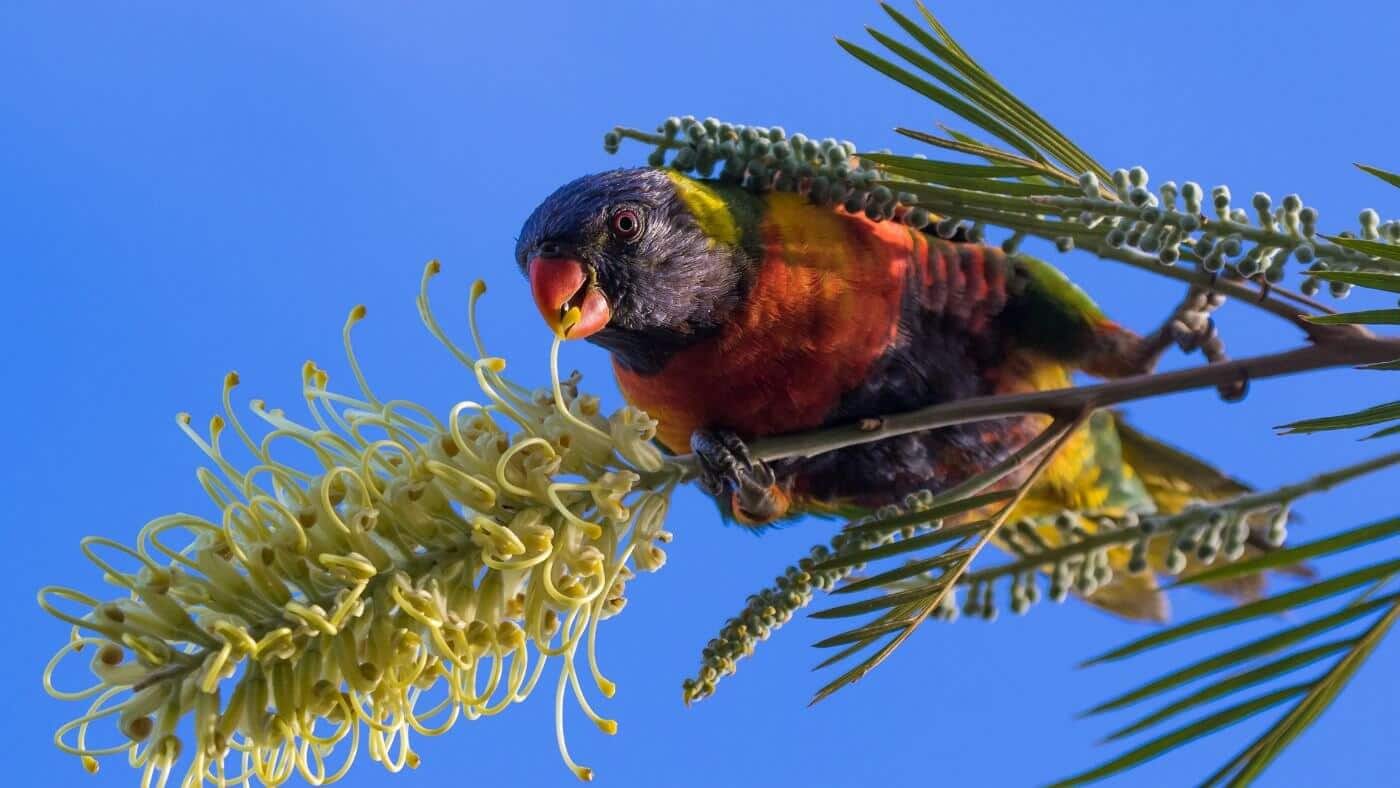
Lorikeets have brush-like structures at the tip of the tongue that help them gather nectar and pollen efficiently. This is why nectar-based feeding is not just a preference; it is a natural match for how they are built.
Natural Diet in the Wild
In the wild, many species (including rainbow lorikeets) spend much of the day feeding on blossoms. They visit flowering trees such as eucalyptus and take in nectar for energy, with pollen providing important nutrients. Their day is shaped around frequent feeding and constant movement between food sources.
Digestive System Differences
Lorikeets have a faster digestive pace than many seed-eating parrots, and they process food quickly. That suits nectar and soft foods, but it also means they do best with frequent access to fresh, appropriate foods. You will often notice that a well-fed lorikeet is active, alert, and hungry again sooner than you might expect.
Adapting Diet for Captivity
It is not realistic to recreate a wild nectar and blossom diet perfectly at home. Even with fresh fruit and homemade mixes, it is difficult to match the consistency of vitamins, minerals, amino acids, and safe food hygiene. This is why commercial nectar formulas are so important for lorikeet food in captivity. They provide a balanced base that you can rely on every day.
Essential Lorikeet Food Components
A practical way to plan lorikeet food is to think in three pillars: nectar as the foundation, fresh produce for variety, and targeted extras when they are genuinely needed.
- Nectar: your primary daily food.
- Fresh produce: fruits and vegetables that add variety and support long-term health.
- Supplementary nutrition: used carefully, usually with guidance from an avian vet.
Nectar Powder and Liquid Formulas
A quality nectar mix should be the foundation of your routine. Different brands vary in texture and ingredients, but the goal is the same: stable energy and balanced nutrition. If you are choosing between formulas, focus on three practical points.
- Consistency: mixes that dissolve smoothly and stay palatable.
- Complete nutrition: formulas designed specifically for lorikeets and lories.
- Clear directions: proper mixing ratios and hygiene advice on the label.
Whichever brand you choose, follow the manufacturer instructions closely. Nectar can spoil quickly, especially in warm rooms.
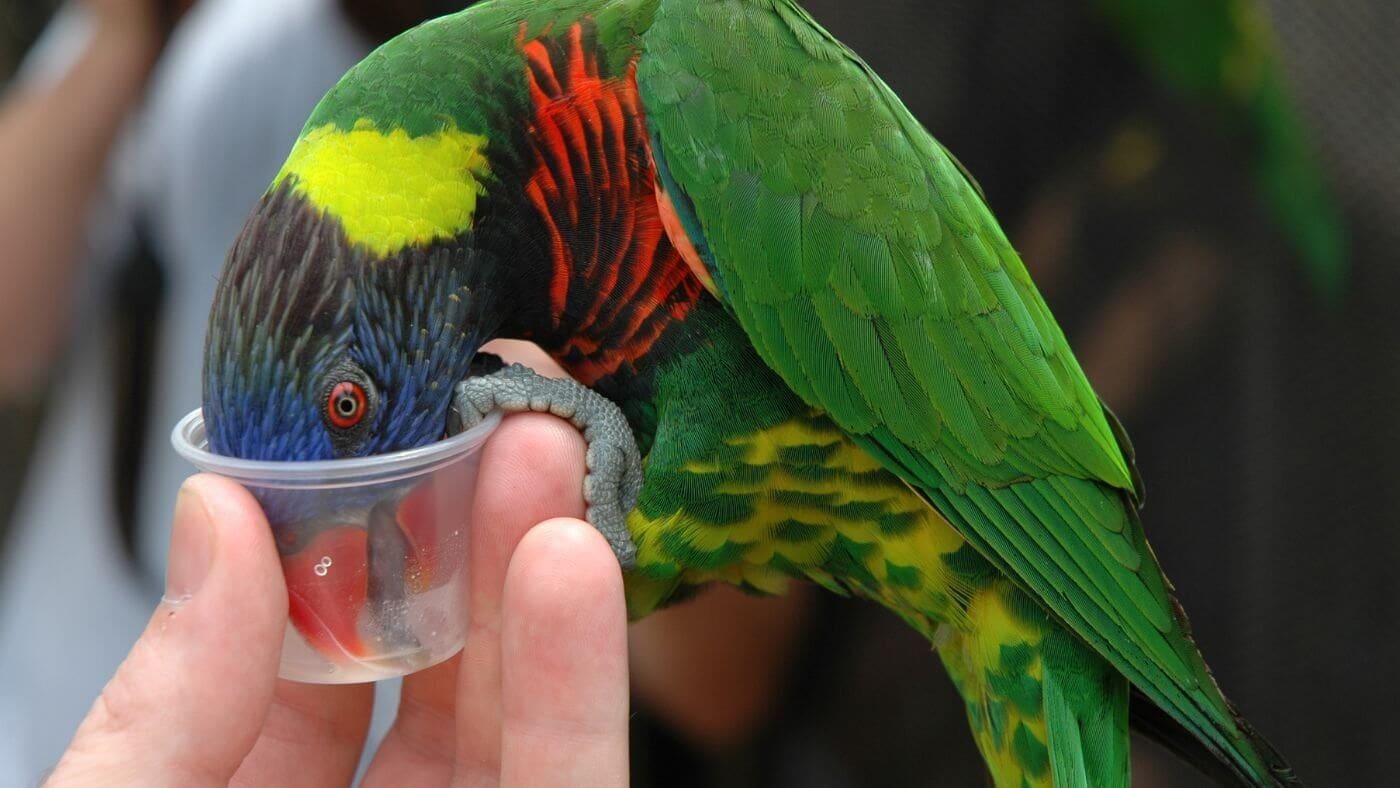
How to Prepare Lorikeet Nectar
Once you get into a routine, nectar preparation becomes quick and easy. This is one of the most important parts of lorikeet food because freshness and hygiene matter every single day.
- Wash bowls and utensils thoroughly before mixing.
- Use warm water (not hot) to help the powder dissolve.
- Mix to a smooth, drinkable consistency, following the label ratio.
- Serve fresh and remove leftovers promptly.
- Clean bowls again before the next feed.
If your home is warm, offer smaller portions more often and refresh the nectar more frequently. Do not leave wet nectar sitting out all day.
Fresh Fruits for Lorikeets
Fruit supports variety, hydration, and enrichment. Offer it daily, but treat it as a partner to nectar, not a replacement. Good options include papaya, mango, apple (without seeds), pear (without seeds), and a mix of berries.
Rotate fruits so your bird does not become overly selective. If they only want the sweetest options, reduce portions slightly and keep offering variety with patience.
Vegetables and Leafy Greens
Vegetables help balance the diet and support long-term health. Corn, carrot, cooked sweet potato, and dark leafy greens can all work well. Offer small amounts and rotate choices so your lorikeet gets a broader range of nutrients.
If vegetables are rejected at first, keep portions tiny and consistent. Many lorikeets need repeated exposure before they accept new foods.
Lorikeet Pellets and Dry Foods
Some specialised dry diets and pellets can be useful as part of lorikeet food, but they should not replace nectar as the main daily source. Dry options are best used to complement your routine, especially when you want something less messy between fresh feeds.
Choosing Quality Lorikeet Pellets
If you use pellets, choose products made specifically for lorikeets and lories. Standard parrot pellets are not designed for nectar-feeders and may not match what your bird needs. Look for clear feeding guidance and a formulation intended for nectar-feeding species like Psittacus Lory Pearls.
Role of Pellets in Daily Diet
Think of pellets as an optional extra. Nectar remains the foundation. If your lorikeet fills up on dry food and starts ignoring nectar, adjust access and timing so nectar stays central to the routine.
Species-Specific Dietary Considerations
Most lorikeets share the same core needs, but preferences and sensitivity can vary by species and individual bird. Watch your lorikeet closely and use droppings, energy levels, and body condition as feedback on whether the diet is working.
Rainbow Lorikeet Food Requirements
Rainbow lorikeets are one of the most common pet lorikeets and tend to thrive with a consistent nectar routine plus daily fresh fruit and vegetables. They often prefer frequent feeds and can be highly motivated by sweet fruits, so portion control matters.
Black-Capped Lorikeet Diet
Black-capped lorikeets can be more sensitive to sudden changes. Introduce new foods slowly, keep nectar fresh, and monitor droppings when you adjust the diet. Consistency and hygiene usually make the biggest difference.
Red Lory Diet
Red lories are energetic nectar-feeders and can be enthusiastic fruit eaters. They do best when nectar remains the foundation and fruit is offered in sensible portions alongside vegetables for balance.
Why Seeds Are Inappropriate
Traditional parrot seed mixes are not a good fit for lorikeets. Lorikeets are built for nectar and soft foods, and seed-heavy diets can lead to nutritional imbalance and excess fat intake over time. If your bird is transitioning away from seeds, shift gradually and focus on making nectar consistent, fresh, and appealing.
Feeding Schedule and Portion Sizes
Lorikeets do best when feeding is structured and fresh. A predictable routine supports healthy weight and helps you avoid leaving wet foods out for too long.
Daily Feeding Routine
A practical approach is to offer fresh nectar in the morning and again in the late afternoon or early evening. Offer fresh fruit and a small portion of vegetables around mid-day. Remove wet foods overnight and keep fresh water available.
Portion Guidelines by Age and Size
Portions vary by species, size, and activity level, but these guidelines help you start in the right place.
- Juveniles: smaller servings offered more often, because growth and energy needs are higher.
- Adults: two nectar feeds per day with measured fruit and vegetables.
- Very active birds: slightly larger nectar servings or an extra small refresh when needed.
Your best guide is your bird's body condition, energy, feather quality, and steady weight over time. If you are unsure, your avian vet can help you set target weights and adjust portions safely.
Supplements and Vitamins for Lorikeets
If you are feeding a high-quality nectar formula and offering varied fresh produce, you usually do not need lots of extras. Supplements are most useful when an avian vet recommends them, during breeding, or during recovery from illness. Avoid adding vitamins "just in case" because over-supplementing can cause its own problems.
Where to Buy Quality Lorikeet Food
At Parrot Essentials, we stock specialist nectar options chosen specifically for lorikeets and lories, so you can build a reliable daily routine without guesswork. If you are looking for an easy starting point or want to try a different formula your bird may prefer, these are popular choices:
- Askio Nature Natural Lorikeet Nectar Feed
- Psittacus Lory Nectar Parrot Food 1kg
- Golden Tropic Lorikeet Nectar Feed
If you are unsure which nectar mix is best for your bird, choose one formula and stick with it for a short settling-in period, then adjust based on acceptance, droppings, and overall condition.
Top Lorikeet Nectar Brands
Availability varies by country, but leading nectar options typically include well-known specialist formulas designed for lorikeets and lories. When comparing brands, prioritise clear mixing directions, consistent quality, and good acceptance by your bird.
Bringing It All Together
Feeding a lorikeet well is not about chasing a perfect diet. It is about building a routine that matches how your bird is designed to eat: nectar first, fresh produce daily, and excellent hygiene. When your lorikeet food plan is consistent, you will usually see the difference in energy, feather quality, and overall condition.
If you ever feel stuck, come back to the basics. Lorikeet food should be fresh, nectar-based, and supported by variety, not replaced by seeds. Your colourful companion will thank you for it.
FAQs
How often should I change lorikeet nectar?
Ideally refresh nectar at least twice daily (morning and late afternoon). In warm rooms, change it more often to prevent spoilage and keep bowls clean.
How long can prepared nectar sit out?
As a rule, do not leave mixed nectar out for long periods. If your home is warm, treat nectar like fresh food and replace it after a few hours.
Can lorikeets eat seeds at all?
Seeds should not be a main part of lorikeet food. Seed-heavy diets can lead to nutritional imbalance and weight issues because lorikeets are built for nectar and soft foods.
Are pellets necessary for lorikeets?
Not always. Pellets can be useful as a supplement, but they should complement nectar, not replace it as the foundation of lorikeet food.
What fruits are best for lorikeets?
Papaya, mango, apple (without seeds), pear (without seeds), and berries are popular options. Rotate fruits to avoid fussiness and keep variety.